Venezuela announces bill for mass release of political prisoners
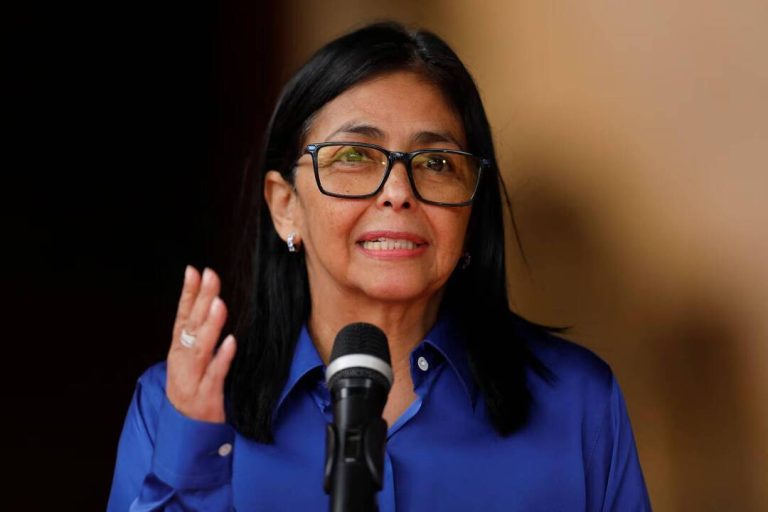
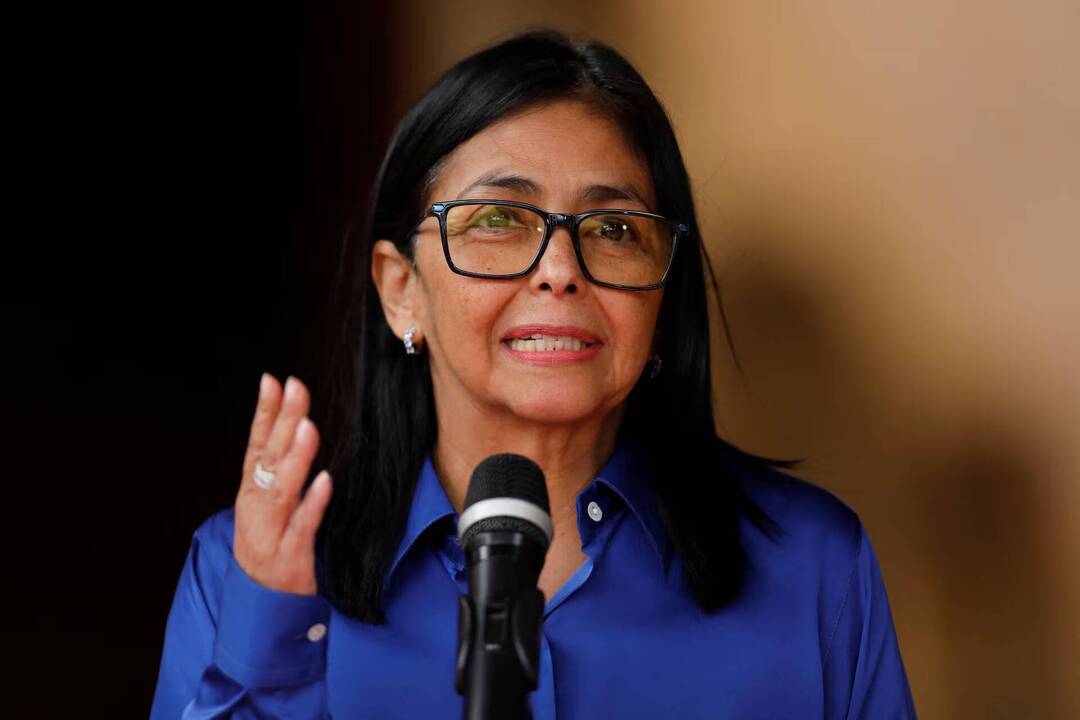
In a surprise move, Venezuela’s acting president Delcy Rodríguez has announced an amnesty bill that could result in the release of thousands of political prisoners, including opposition leaders, journalists, and human rights activists. The announcement has sent shockwaves throughout the country, with many hoping that it could mark a significant step towards healing the deep divisions that have plagued Venezuela for decades.
According to Rodríguez, the new law will cover cases from 1999 until today, but will exclude those accused of killings, serious abuses of human rights, and drug trafficking. This means that many high-profile opposition figures, who have been detained for their involvement in anti-government protests and other forms of dissent, could soon be released from prison.
The move is seen as a significant concession by the Venezuelan government, which has faced intense criticism from human rights groups and other countries for its treatment of political opponents. For years, the government has been accused of using arbitrary detention and other forms of repression to silence its critics, and the new amnesty bill could be a major step towards addressing these concerns.
The announcement has been welcomed by many in the opposition, who see it as a long-overdue recognition of the government’s responsibility to respect human rights and the rule of law. “This is a positive step, but it’s just the beginning,” said one opposition leader, who wished to remain anonymous. “We need to see concrete actions, not just words, to demonstrate that the government is committed to respecting our rights and freedoms.”
The amnesty bill is also seen as a key component of the government’s efforts to improve its relations with the international community. Venezuela has been subject to economic sanctions and other forms of pressure from countries such as the United States, which have accused the government of undermining democracy and human rights. By releasing political prisoners, the government may be hoping to improve its image and persuade other countries to lift these sanctions.
However, not everyone is convinced that the amnesty bill will have a significant impact. Some critics argue that the government has made similar promises in the past, only to renege on them later. Others point out that the bill’s exclusions, which include those accused of killings and serious human rights abuses, could still be used to justify the detention of many opposition figures.
Despite these concerns, the announcement has raised hopes that Venezuela may be on the verge of a new era of greater freedom and democracy. For years, the country has been plagued by polarization and conflict, with the government and opposition locked in a bitter struggle for power. The release of political prisoners could be a major step towards breaking this cycle of violence and intimidation, and creating a more inclusive and democratic society.
As the details of the amnesty bill become clearer, it will be important to monitor its implementation closely. Will the government follow through on its promises, or will the bill be used as a tool for further repression? Only time will tell, but for now, the announcement has raised hopes that Venezuela may be on the path towards a brighter, more democratic future.
The Venezuelan government’s decision to announce an amnesty bill for political prisoners is a significant development, and one that could have major implications for the country’s future. As the situation continues to unfold, it will be important to stay informed and up-to-date on the latest developments.
About the Author