What is ‘soft off day’ at work?
In today’s fast-paced work environment, employees are constantly looking for ways to manage their workload and maintain a healthy work-life balance. With the rise of burnout and mental health concerns, it’s no surprise that a new concept has emerged to help employees cope with the demands of their job. Enter the “soft off day,” a novel approach to workplace productivity that’s gaining attention for its potential to reduce stress and increase employee well-being.
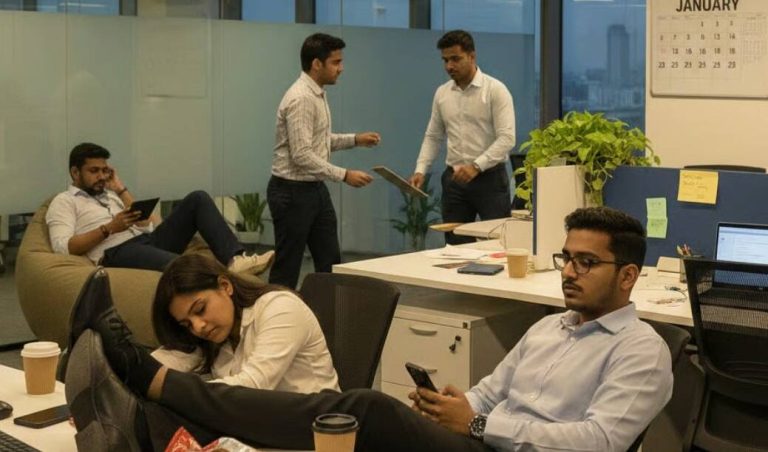
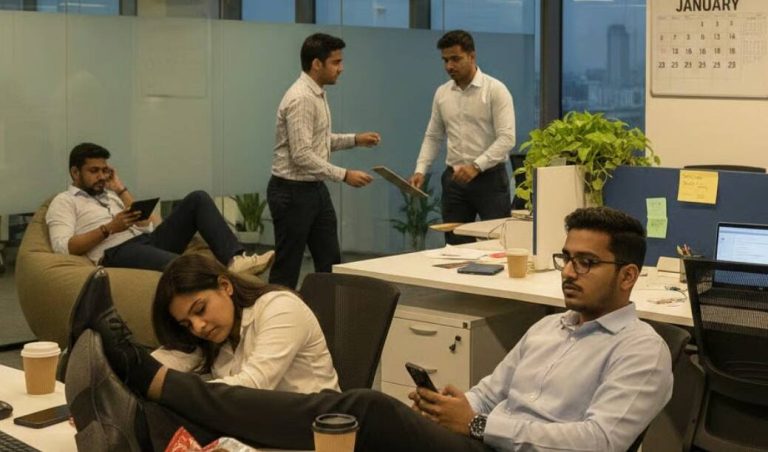
So, what exactly is a “soft off day”? Simply put, it’s a day where an employee shows up to work but only does the bare minimum required to conserve energy. This means attending meetings, responding to urgent messages, and completing any essential tasks, but refusing to take on new assignments or engage in non-essential activities. The idea is to give employees a way to mentally unplug and recharge without having to take a formal leave of absence.
The concept of a “soft off day” is not about slacking off or being lazy; rather, it’s about being intentional with one’s time and energy. By doing only the minimum required, employees can conserve their mental and physical resources, reducing the risk of burnout and increasing their overall productivity in the long run. This approach also acknowledges that sometimes, employees just need a break from the constant demands of their job, without having to sacrifice their paid time off.
One of the key benefits of a “soft off day” is that it allows employees to maintain a sense of presence and connection with their work, while still giving them the space to rest and recharge. This can be especially helpful for employees who feel overwhelmed or struggling to keep up with their workload. By taking a “soft off day,” they can take a step back, reassess their priorities, and come back to their work with renewed energy and focus.
Another advantage of this approach is that it can help reduce the stigma associated with taking time off for mental health. Often, employees feel guilty or anxious about taking a sick day or requesting a leave of absence, fearing that it will impact their work or be perceived as a sign of weakness. The “soft off day” concept helps to normalize the idea that taking care of one’s mental health is essential and that it’s okay to take a break when needed.
Technology can also play a significant role in supporting a “soft off day.” For example, employees can use AI tools to summarize meeting details, respond to routine messages, or automate repetitive tasks. This can help reduce the workload and minimize distractions, allowing employees to focus on their well-being and conserve their energy.
It’s worth noting that the “soft off day” concept is not a replacement for traditional leave policies or mental health support. Employees should still be encouraged to take regular breaks, use their paid time off, and seek help when needed. However, as a supplement to existing wellness initiatives, the “soft off day” can be a valuable tool for promoting employee well-being and reducing burnout.
As the modern workplace continues to evolve, it’s likely that we’ll see more innovative approaches to managing workload and promoting employee well-being. The “soft off day” concept is just one example of how employers can support their employees’ mental health and productivity. By embracing this approach, organizations can demonstrate their commitment to employee well-being and create a more sustainable and supportive work environment.
In conclusion, the “soft off day” is a novel concept that offers employees a way to mentally unplug and recharge without taking leave. By doing only the bare minimum required, employees can conserve their energy, reduce stress, and increase their overall productivity. As we continue to navigate the challenges of the modern workplace, it’s essential to explore new approaches to promoting employee well-being and reducing burnout. The “soft off day” is certainly an idea worth considering, and it will be interesting to see how it evolves and is adopted in the future.
About the Author