Miranda House, DRDO develop Indian chip to flag early heart attack risk in soldiers
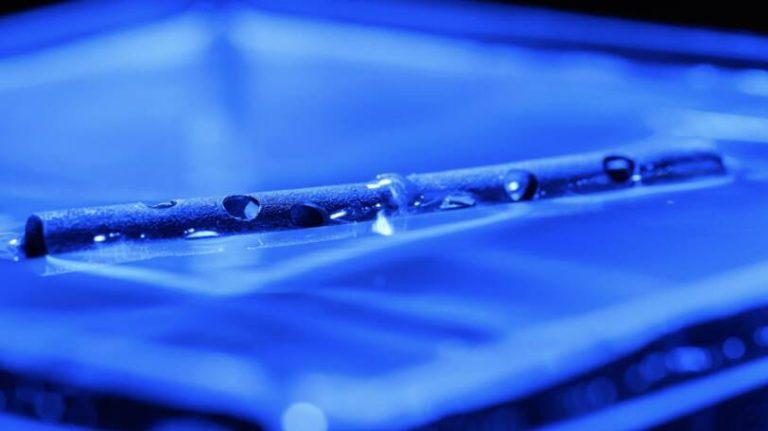
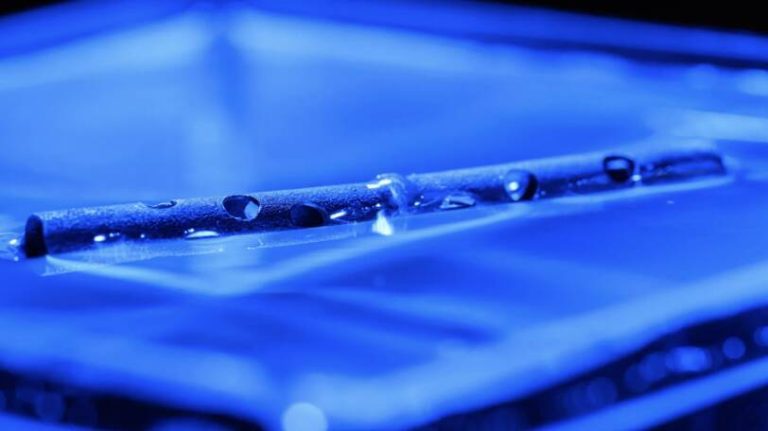
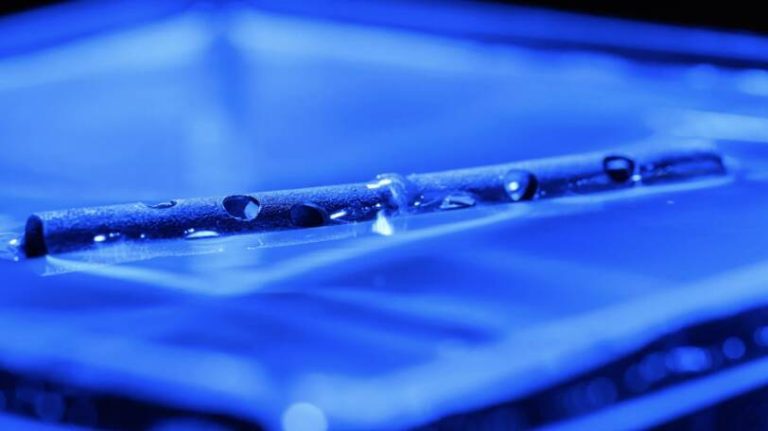
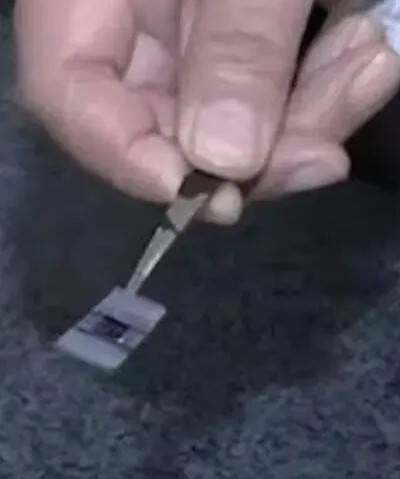
In a groundbreaking achievement, Miranda House, a prestigious college for women in Delhi, has collaborated with the Defence Research and Development Organisation (DRDO) to develop a Made-in-India biological chip. This innovative chip is designed to detect early cardiac risk markers, enabling timely medical intervention for soldiers operating in extreme, high-stress conditions. The BioFET-based sensor analyses blood serum to identify warning signs linked to heart attacks, making it a potentially lifesaving technology for the Indian armed forces.
The development of this indigenous chip is a significant milestone in the field of medical technology, and it underscores the importance of collaboration between academic institutions and research organizations. By leveraging their collective expertise, Miranda House and DRDO have created a cutting-edge device that can help prevent heart attacks among soldiers, who often face immense physical and mental stress in the line of duty.
The prototype of the biological chip has been handed over to DRDO for further testing and field trials. This marks a crucial step towards the eventual deployment of the technology in the field, where it can be used to monitor the health of soldiers and provide early warnings of potential heart attacks. The chip’s ability to analyze blood serum and detect cardiac risk markers makes it an invaluable tool for the Indian military, which operates in some of the most challenging environments in the world.
The development of the biological chip is a testament to the ingenuity and expertise of the researchers involved. The BioFET-based sensor is a highly sensitive device that can detect even slight changes in blood serum, making it an effective tool for identifying early warning signs of heart attacks. By analyzing the blood serum, the chip can detect markers such as troponin, which is a protein that is released into the blood when the heart is damaged.
The collaboration between Miranda House and DRDO is a shining example of how academic institutions and research organizations can work together to develop innovative solutions to real-world problems. The project demonstrates the importance of interdisciplinary research, where experts from different fields come together to share their knowledge and expertise. In this case, the researchers from Miranda House and DRDO have pooled their resources to create a device that has the potential to save countless lives.
The development of the biological chip also highlights the growing importance of medical technology in the Indian military. As the armed forces operate in increasingly complex and challenging environments, the need for advanced medical technologies has never been more pressing. The ability to detect early warning signs of heart attacks and other medical conditions can be a major factor in preventing casualties and reducing the burden on military medical resources.
The Indian military has been at the forefront of adopting new technologies to enhance the safety and effectiveness of its operations. From advanced surveillance systems to cutting-edge communication networks, the Indian armed forces have been leveraging technology to stay ahead of the curve. The development of the biological chip is another significant step in this direction, and it demonstrates the military’s commitment to using innovation to protect its personnel.
The potential applications of the biological chip extend far beyond the military, however. The device could also be used in civilian healthcare settings, where it could help doctors and medical professionals detect early warning signs of heart attacks and other medical conditions. The chip’s ability to analyze blood serum and detect cardiac risk markers makes it a valuable tool for diagnosing and treating a range of medical conditions.
In conclusion, the development of the Made-in-India biological chip by Miranda House and DRDO is a significant achievement that has the potential to save countless lives. The device’s ability to detect early warning signs of heart attacks makes it an invaluable tool for the Indian military, and its potential applications extend far beyond the military to civilian healthcare settings. As the device undergoes further testing and field trials, it is likely to make a major impact on the way medical professionals diagnose and treat heart attacks and other medical conditions.
About the Author