Venezuela announces bill for mass release of political prisoners
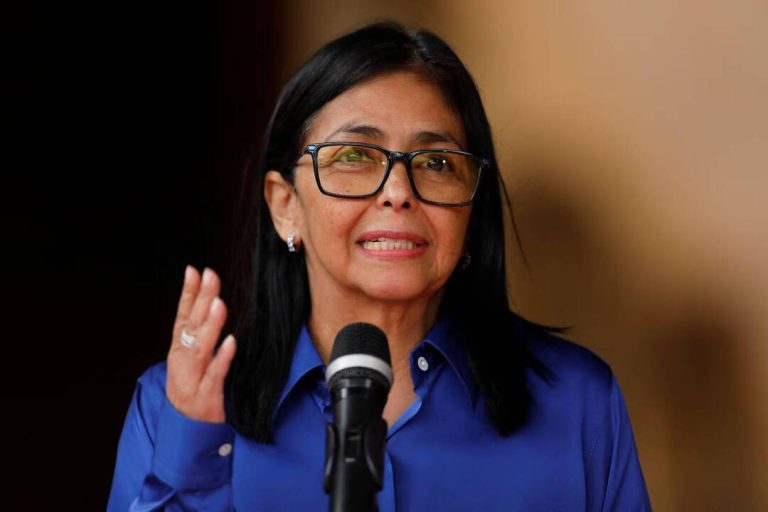
In a shocking turn of events, Venezuela’s acting president Delcy Rodríguez has announced an amnesty bill that could result in the release of thousands of political prisoners, including opposition leaders, journalists, and human rights activists. The move is seen as a significant step towards reconciliation and healing in a country that has been plagued by political turmoil and human rights abuses for decades.
According to Rodríguez, the new law will cover cases from 1999 until today, but will exclude those accused of killings, serious abuses of human rights, and drug trafficking. This means that many of those who have been imprisoned for their political views or for speaking out against the government will be eligible for release.
The announcement has been met with a mixture of excitement and skepticism, with many welcoming the move as a step towards greater freedom and democracy, while others have expressed concerns about the motivations behind the decision and the potential consequences.
For years, Venezuela has been criticized for its poor human rights record, with many opposition leaders, journalists, and activists being arrested and imprisoned on trumped-up charges. The country’s prisons have been notorious for their harsh conditions, with many inmates facing overcrowding, poor sanitation, and limited access to medical care.
The new amnesty bill is seen as a significant shift in policy, and one that could potentially lead to the release of thousands of prisoners. However, it is unclear how many people will actually be eligible for release, and how quickly the process will be implemented.
Rodríguez has said that the new law will be applied retroactively, meaning that those who have already been convicted and sentenced will be eligible for release. However, the process of reviewing each case and determining who is eligible for release is likely to be complex and time-consuming.
In addition to the release of political prisoners, the new law is also expected to have a significant impact on the country’s media landscape. Many journalists and media outlets have been targeted by the government in recent years, with some being forced to flee the country or go into hiding. The new law could potentially lead to the return of these journalists and the reopening of shuttered media outlets.
The announcement of the amnesty bill has also been seen as a potential olive branch to the international community, which has been critical of Venezuela’s human rights record. The country has faced significant economic sanctions and diplomatic pressure in recent years, and the new law could potentially lead to a thawing of relations with other countries.
However, not everyone is convinced that the new law is a genuine attempt at reform. Some have expressed concerns that the government is simply trying to improve its international image, without actually making any significant changes to its policies or practices.
Despite these concerns, the announcement of the amnesty bill is a significant development, and one that could potentially have a major impact on the lives of thousands of people. As the process of implementing the new law begins, it will be important to monitor the situation closely, to ensure that the government is following through on its commitments and that the rights of all citizens are being respected.
In conclusion, the announcement of the amnesty bill in Venezuela is a significant step towards reconciliation and healing in a country that has been plagued by political turmoil and human rights abuses for decades. While there are still many questions and concerns about the motivations behind the decision and the potential consequences, the move is a welcome one, and one that could potentially lead to the release of thousands of political prisoners.
About the Author