Miranda House, DRDO develop Indian chip to flag early heart attack risk in soldiers
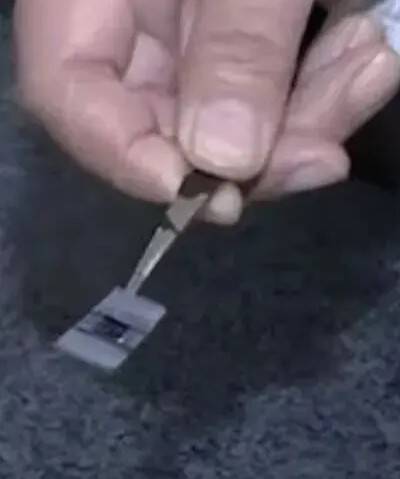
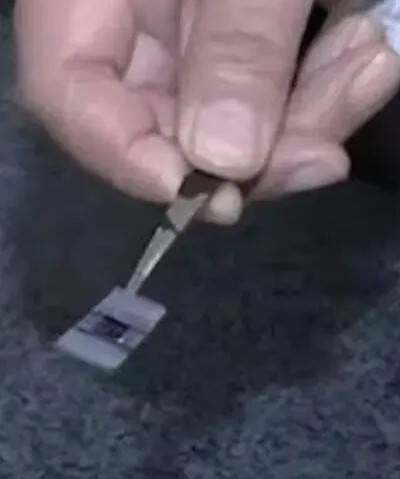
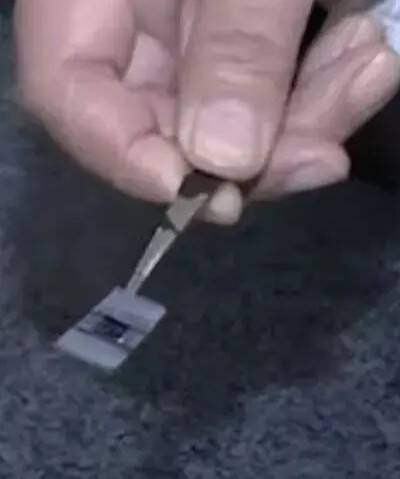
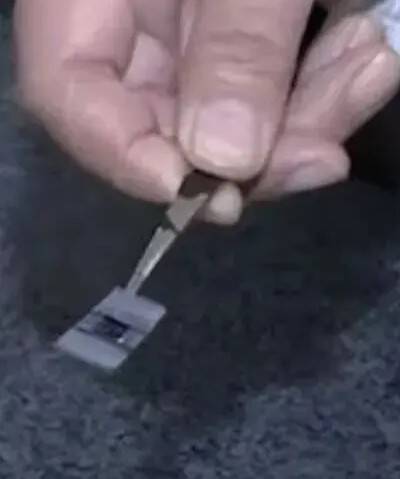
In a groundbreaking development, Miranda House, a prestigious college for women in Delhi, has collaborated with the Defence Research and Development Organisation (DRDO) to create a Made-in-India biological chip. This innovative chip is designed to detect early cardiac risk markers, enabling timely medical intervention for soldiers operating in extreme, high-stress conditions. The BioFET-based sensor analyses blood serum to identify warning signs linked to heart attacks, making it a potentially lifesaving tool for the Indian armed forces.
The development of this indigenous chip is a significant milestone in the country’s pursuit of self-reliance in the field of medical technology. The collaboration between Miranda House and DRDO has resulted in a cutting-edge product that can help reduce the risk of heart attacks among soldiers, who often face immense physical and mental stress in the line of duty. The chip’s ability to detect early cardiac risk markers can help prevent fatalities and ensure that soldiers receive prompt medical attention when needed.
The BioFET-based sensor uses a novel approach to analyze blood serum, which is a complex mixture of various biomolecules. The sensor is designed to detect specific biomarkers that are associated with an increased risk of heart attacks. These biomarkers can be present in the blood serum of individuals who are at risk of cardiac events, even if they do not exhibit any overt symptoms. By detecting these biomarkers, the chip can provide an early warning system for soldiers, allowing them to take preventive measures and seek medical attention before it’s too late.
The development of this chip is a testament to the ingenuity and expertise of Indian researchers and scientists. The collaboration between Miranda House and DRDO has brought together the best minds in the country to create a product that can make a significant difference in the lives of soldiers. The chip’s potential to save lives is vast, and its development is a proud moment for the Indian scientific community.
The prototype of the chip has been handed over to DRDO for further testing and field trials. The organization will conduct rigorous tests to validate the chip’s efficacy and accuracy in detecting early cardiac risk markers. Once the chip is certified, it will be deployed in various military settings, where it can be used to monitor the health of soldiers and provide timely medical interventions.
The development of this indigenous chip is also a significant step towards reducing India’s dependence on foreign medical technology. The country has long relied on imported medical devices and equipment, which can be expensive and may not always be tailored to the specific needs of Indian patients. The creation of a Made-in-India biological chip is a major breakthrough in this regard, as it demonstrates the country’s capabilities in developing cutting-edge medical technology.
The collaboration between Miranda House and DRDO is also a shining example of the potential for academia-industry partnerships in India. The partnership has brought together the academic expertise of Miranda House with the research and development capabilities of DRDO, resulting in a product that can have a significant impact on the lives of soldiers. This partnership model can be replicated in other fields, leading to the development of innovative products and solutions that can address some of the country’s most pressing challenges.
In conclusion, the development of a Made-in-India biological chip to detect early cardiac risk markers is a significant achievement for the Indian scientific community. The collaboration between Miranda House and DRDO has resulted in a cutting-edge product that can help reduce the risk of heart attacks among soldiers. The chip’s potential to save lives is vast, and its development is a proud moment for the country. As the chip undergoes further testing and field trials, it is likely to emerge as a vital tool in the Indian armed forces’ arsenal, helping to protect the health and well-being of soldiers operating in extreme, high-stress conditions.
About the Author