What is ‘soft off day’ at work?
In today’s fast-paced and demanding work environment, employees are constantly seeking ways to manage their workload, reduce stress, and maintain a healthy work-life balance. A new concept that has been gaining attention in recent times is the “soft off day” at work. This innovative approach allows employees to mentally unplug and recharge without having to take a formal leave of absence. In this blog post, we will delve into the concept of a “soft off day” and explore its benefits, implications, and potential applications in the modern workplace.
What is a ‘soft off day’?
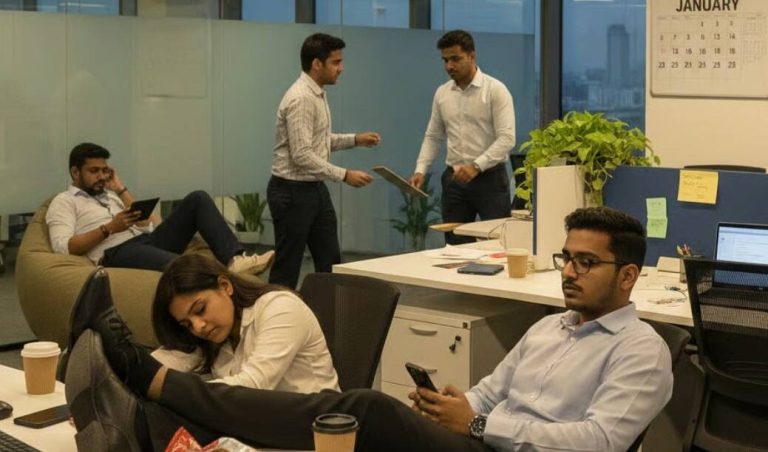
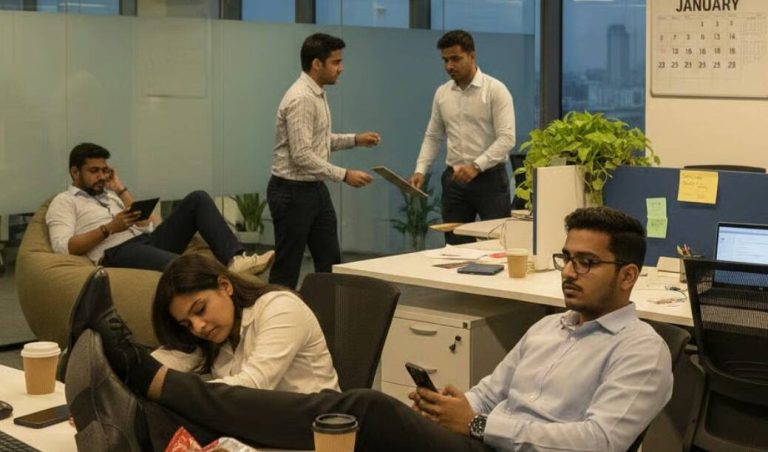
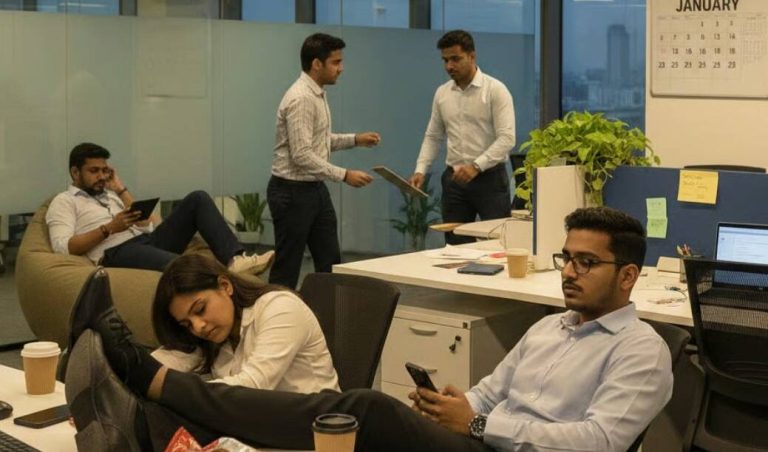
A “soft off day” refers to a day when an employee shows up to work but only performs the bare minimum tasks required to conserve their energy. On a soft off day, the employee may attend meetings, respond to urgent messages, and complete any critical tasks that cannot be postponed. However, they will intentionally avoid taking on new tasks, engaging in non-essential activities, or putting in extra effort. The idea is to create a buffer day that allows employees to relax, recharge, and refocus without having to take a formal leave of absence.
How does a ‘soft off day’ work?
On a soft off day, an employee may use technology, such as artificial intelligence (AI), to streamline their work and minimize their workload. For instance, they may use AI-powered tools to summarize meeting details, respond to routine emails, or automate repetitive tasks. This enables them to conserve their mental and physical energy, reduce stress, and avoid burnout. By doing only the minimum required, employees can create space to breathe, reflect, and prioritize their well-being.
Benefits of a ‘soft off day’
The concept of a soft off day offers several benefits for employees and employers alike. Some of the advantages include:
- Reduced stress and burnout: By taking a break from the usual workload, employees can reduce their stress levels, prevent burnout, and maintain their overall well-being.
- Improved productivity: A soft off day can help employees recharge and come back to their work with renewed energy, focus, and motivation, leading to improved productivity and performance.
- Enhanced work-life balance: By creating a buffer day, employees can better manage their work and personal life, attend to personal matters, and prioritize self-care.
- Increased job satisfaction: A soft off day can help employees feel more in control of their workload, reduce feelings of overwhelm, and increase their overall job satisfaction.
- Retaining talent: By offering a soft off day, employers can demonstrate their commitment to employee well-being, retention, and satisfaction, which can help attract and retain top talent.
Implications and potential applications
While the concept of a soft off day is still evolving, it has significant implications for the modern workplace. Some potential applications include:
- Flexible work arrangements: A soft off day can be incorporated into flexible work arrangements, such as telecommuting, flexible hours, or compressed workweeks.
- Mental health support: Employers can use soft off days as a way to support employees’ mental health, providing a safe space for them to recharge and seek help when needed.
- Performance management: Soft off days can be used as a performance management tool, helping employees prioritize their tasks, manage their workload, and maintain their productivity.
- Employee engagement: A soft off day can be used to boost employee engagement, motivation, and satisfaction, leading to improved job performance and retention.
Conclusion
The concept of a “soft off day” at work is an innovative approach to managing workload, reducing stress, and maintaining a healthy work-life balance. By allowing employees to mentally unplug and recharge without taking a formal leave of absence, employers can demonstrate their commitment to employee well-being, retention, and satisfaction. As the modern workplace continues to evolve, it will be interesting to see how the concept of a soft off day is adopted and adapted by organizations around the world.
About the Author