Miranda House, DRDO develop Indian chip to flag early heart attack risk in soldiers
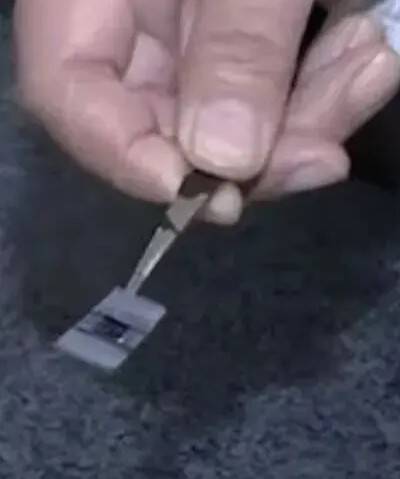
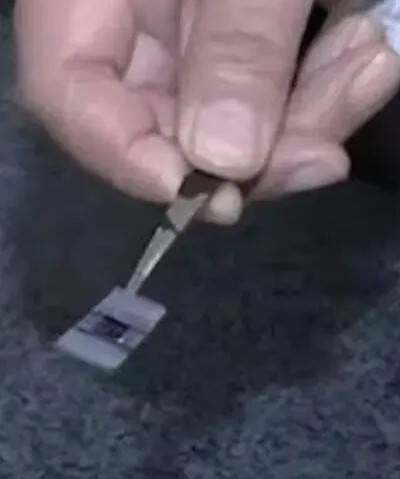
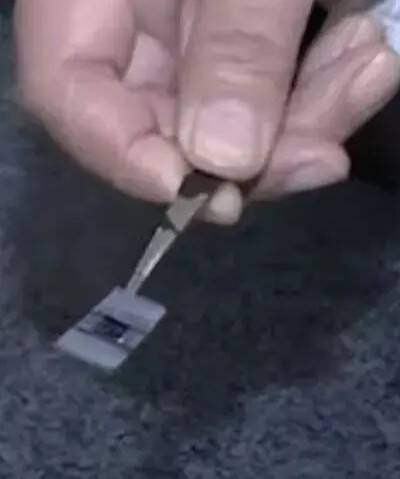
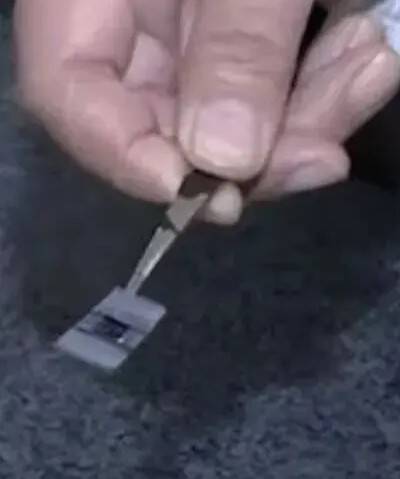
In a significant breakthrough, Miranda House, in collaboration with the Defence Research and Development Organisation (DRDO), has successfully developed a Made-in-India biological chip to detect early cardiac risk markers. This innovative technology has the potential to revolutionize the way we approach heart health, particularly for soldiers who operate in extreme, high-stress conditions. The BioFET-based sensor, which analyses blood serum to identify warning signs linked to heart attacks, enables timely medical intervention, thereby saving lives.
The development of this indigenous chip is a testament to the power of collaboration between academic institutions and research organizations. Miranda House, a premier women’s college in Delhi, has been at the forefront of promoting scientific research and innovation. By partnering with DRDO, the institution has leveraged its expertise in biosensors and nanotechnology to create a cutting-edge solution that addresses a critical need in the field of cardiovascular health.
The BioFET-based sensor is designed to detect biomarkers in blood serum that are indicative of cardiac risk. These biomarkers, such as troponin and creatine kinase, are often elevated in individuals who are at risk of a heart attack. By analyzing these biomarkers, the sensor can provide an early warning system, enabling soldiers to seek medical attention before a cardiac event occurs. This is particularly important for soldiers who are deployed in high-stress environments, where access to medical care may be limited.
The prototype of the chip has been handed over to DRDO for further testing and field trials. The organization will conduct rigorous testing to validate the efficacy and reliability of the sensor, before it is deployed in the field. This is a critical step in ensuring that the technology is safe and effective for use in real-world scenarios.
The development of this indigenous chip has significant implications for the Indian military. Soldiers who are deployed in extreme environments, such as high-altitude or desert regions, are often at risk of cardiac events due to the physical and mental stress they endure. By providing an early warning system, the BioFET-based sensor can help prevent cardiac-related deaths and reduce the burden on the military’s medical resources.
Furthermore, this technology has the potential to benefit not just the military, but also the broader population. Cardiovascular disease is a leading cause of death worldwide, and early detection is critical in preventing cardiac events. The BioFET-based sensor could be used in a variety of settings, from hospitals to clinics, to provide timely and accurate diagnoses.
The success of this project is a testament to the power of indigenous innovation. By developing a Made-in-India solution, Miranda House and DRDO have demonstrated that Indian researchers and scientists are capable of creating cutting-edge technologies that can compete with the best in the world. This is a significant achievement, particularly in the context of the government’s “Make in India” initiative, which aims to promote indigenous manufacturing and innovation.
In conclusion, the development of the BioFET-based sensor is a significant breakthrough in the field of cardiovascular health. The collaboration between Miranda House and DRDO has resulted in a cutting-edge technology that has the potential to save lives. As the technology undergoes further testing and field trials, we can expect to see significant benefits for the Indian military and the broader population. This is a shining example of what can be achieved through indigenous innovation and collaboration, and we look forward to seeing the impact it will have in the years to come.
About the Author