Pakistan releases statement after India and EU announce ‘mother of all trade deals’
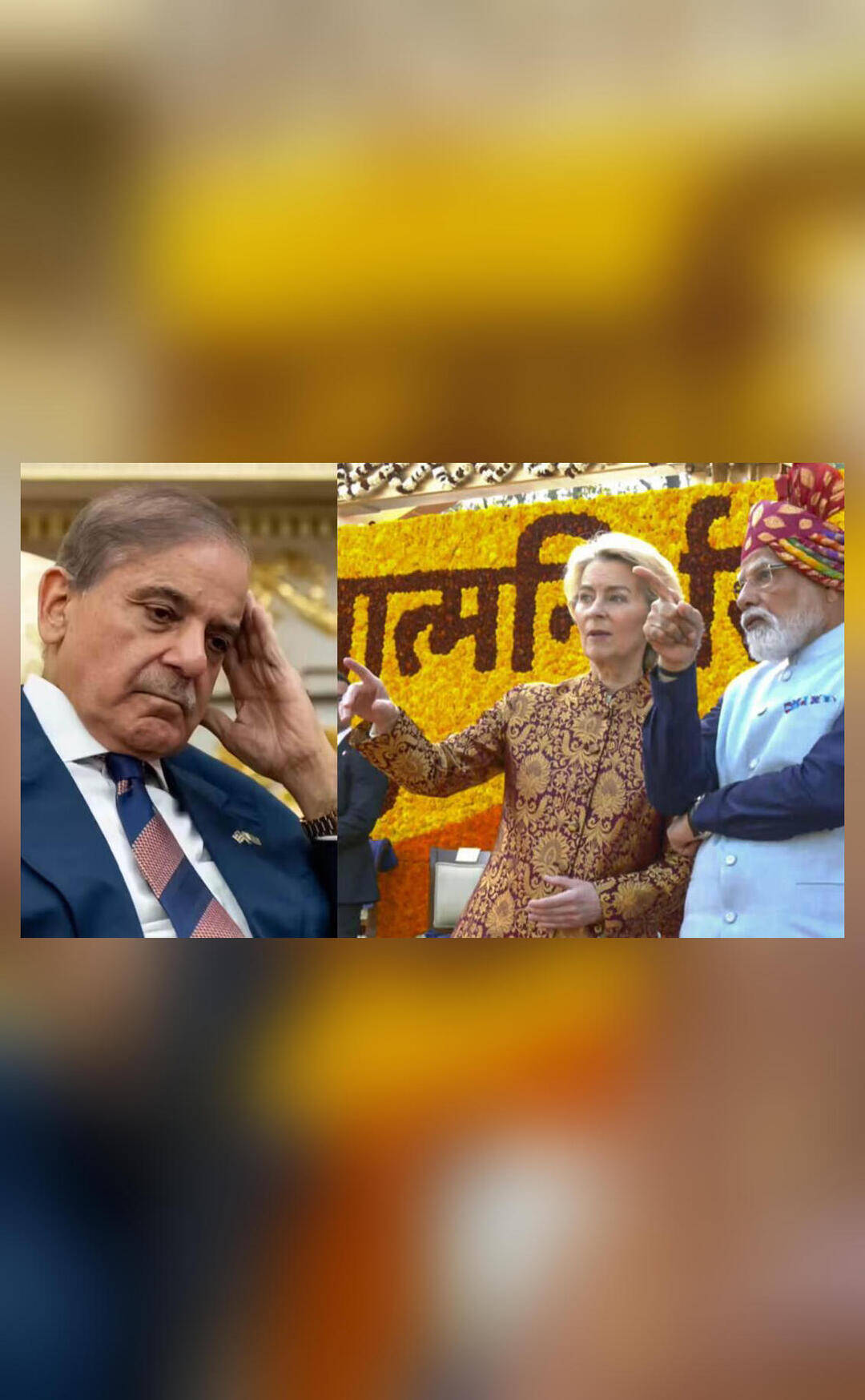
In a recent development, India and the European Union (EU) have announced a landmark trade deal, dubbed the “mother of all trade deals”. This agreement is expected to have far-reaching implications for global trade and commerce. Pakistan, which has traditionally enjoyed good relations with the EU, has released a statement in response to this announcement.
According to reports, Pakistan’s statement acknowledged the India-EU trade deal, saying, “We are aware of this agreement. We have seen reports and as well as the content.” The statement further emphasized Pakistan’s long-standing friendly relations with the EU, highlighting the mutually beneficial nature of their bilateral cooperation. “Pakistan maintains long standing friendly…relations with EU…The EU GSP+ scheme for Pakistan has proven to be a win-win…for bilateral cooperation…The total volume between our two sides stands at €12 billion,” it added.
The EU’s Generalized System of Preferences Plus (GSP+) scheme has been a significant factor in Pakistan’s exports to the EU. The scheme provides preferential tariff treatment to certain countries, including Pakistan, and has helped increase Pakistan’s exports to the EU. However, with the India-EU trade deal, Pakistan is concerned about losing its competitive edge in the EU market.
The India-EU trade deal is expected to reduce tariffs and other trade barriers, making Indian exports more competitive in the EU market. This could potentially erode Pakistan’s share in the EU market, particularly in sectors such as textiles and leather goods. Pakistan’s exports to the EU are primarily composed of these sectors, and any loss of market share could have significant implications for the country’s economy.
In response to these concerns, Pakistan has engaged with the EU to safeguard its exports. According to reports, Pakistan has approached the EU to discuss the potential implications of the India-EU trade deal on its own exports. Pakistan is seeking assurances that its existing trade preferences under the GSP+ scheme will be maintained, and that it will not be disadvantaged by the new trade agreement between India and the EU.
The EU has been a significant trading partner for Pakistan, and the country’s exports to the EU have grown significantly in recent years. The EU is Pakistan’s second-largest trading partner, after China, and accounts for a significant share of the country’s total exports. Any disruption to Pakistan’s trade with the EU could have significant economic implications for the country.
In addition to its concerns about the India-EU trade deal, Pakistan is also seeking to diversify its trade relations with other countries. The country has been actively pursuing new trade agreements with other regions, including the Association of Southeast Asian Nations (ASEAN) and the Gulf Cooperation Council (GCC). These efforts are aimed at reducing Pakistan’s dependence on a few key markets and increasing its trade competitiveness.
In conclusion, Pakistan’s response to the India-EU trade deal reflects its concerns about the potential implications for its own exports. The country’s statement emphasizes its long-standing friendly relations with the EU and highlights the importance of the GSP+ scheme for its bilateral cooperation. As Pakistan engages with the EU to safeguard its exports, it is also seeking to diversify its trade relations with other countries. The outcome of these efforts will be critical in determining the future of Pakistan’s trade relations with the EU and other regions.
About the Author