Miranda House, DRDO develop Indian chip to flag early heart attack risk in soldiers
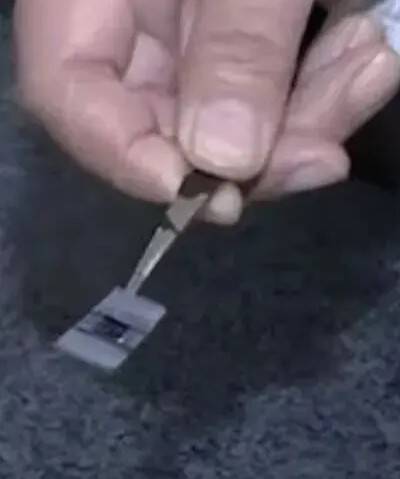
In a groundbreaking achievement, Miranda House, in collaboration with the Defence Research and Development Organisation (DRDO), has successfully developed a Made-in-India biological chip to detect early cardiac risk markers. This innovative chip, based on BioFET (Biosensor Field-Effect Transistor) technology, analyses blood serum to identify warning signs linked to heart attacks, enabling timely medical intervention for soldiers operating in extreme, high-stress conditions.
The development of this indigenous chip is a significant milestone in the field of healthcare, particularly for the Indian armed forces. Soldiers often face high-stress environments, which can increase their risk of developing cardiovascular diseases. The early detection of cardiac risk markers can help prevent heart attacks and save lives. The prototype of the chip has been handed over to DRDO for further testing and field trials, marking a crucial step towards its deployment in the field.
The BioFET-based sensor is designed to detect specific biomarkers in blood serum that are indicative of cardiac risk. These biomarkers, such as troponin and creatine kinase, are released into the bloodstream when the heart is under stress or damaged. The sensor can detect these biomarkers at extremely low concentrations, allowing for early warning signs of a potential heart attack. This enables medical personnel to take prompt action, providing timely treatment and preventing potential fatalities.
The collaboration between Miranda House and DRDO has been instrumental in the development of this indigenous chip. The team of researchers from Miranda House, a prestigious college for women in Delhi University, worked closely with scientists from DRDO to design and develop the BioFET-based sensor. The project was driven by the need to develop a reliable and accurate method for detecting cardiac risk markers in soldiers, particularly those operating in high-stress environments.
The development of this chip is also a testament to India’s growing capabilities in the field of biotechnology and healthcare. The use of BioFET technology, which is a relatively new field, demonstrates the country’s ability to adapt and innovate in emerging areas of research. The success of this project is expected to have a significant impact on the healthcare sector, particularly in the development of point-of-care diagnostic devices.
The chip has undergone initial testing and has shown promising results. The prototype has been able to detect cardiac risk markers with high accuracy, making it a reliable tool for early detection of heart attacks. The next step will be to conduct field trials, which will involve testing the chip in real-world scenarios. This will help to validate its effectiveness and identify any areas for improvement.
The potential applications of this chip extend beyond the military sector. The technology can be used in a variety of healthcare settings, including hospitals, clinics, and remote healthcare facilities. The chip’s ability to detect cardiac risk markers at an early stage can help prevent heart attacks and save lives, making it a valuable tool for healthcare professionals.
In conclusion, the development of the Made-in-India biological chip by Miranda House and DRDO is a significant achievement in the field of healthcare. The chip’s ability to detect early cardiac risk markers can help prevent heart attacks and save lives, particularly in high-stress environments. The success of this project is a testament to India’s growing capabilities in biotechnology and healthcare, and its potential applications extend beyond the military sector. As the chip undergoes further testing and field trials, it is expected to have a significant impact on the healthcare sector, particularly in the development of point-of-care diagnostic devices.
About the Author