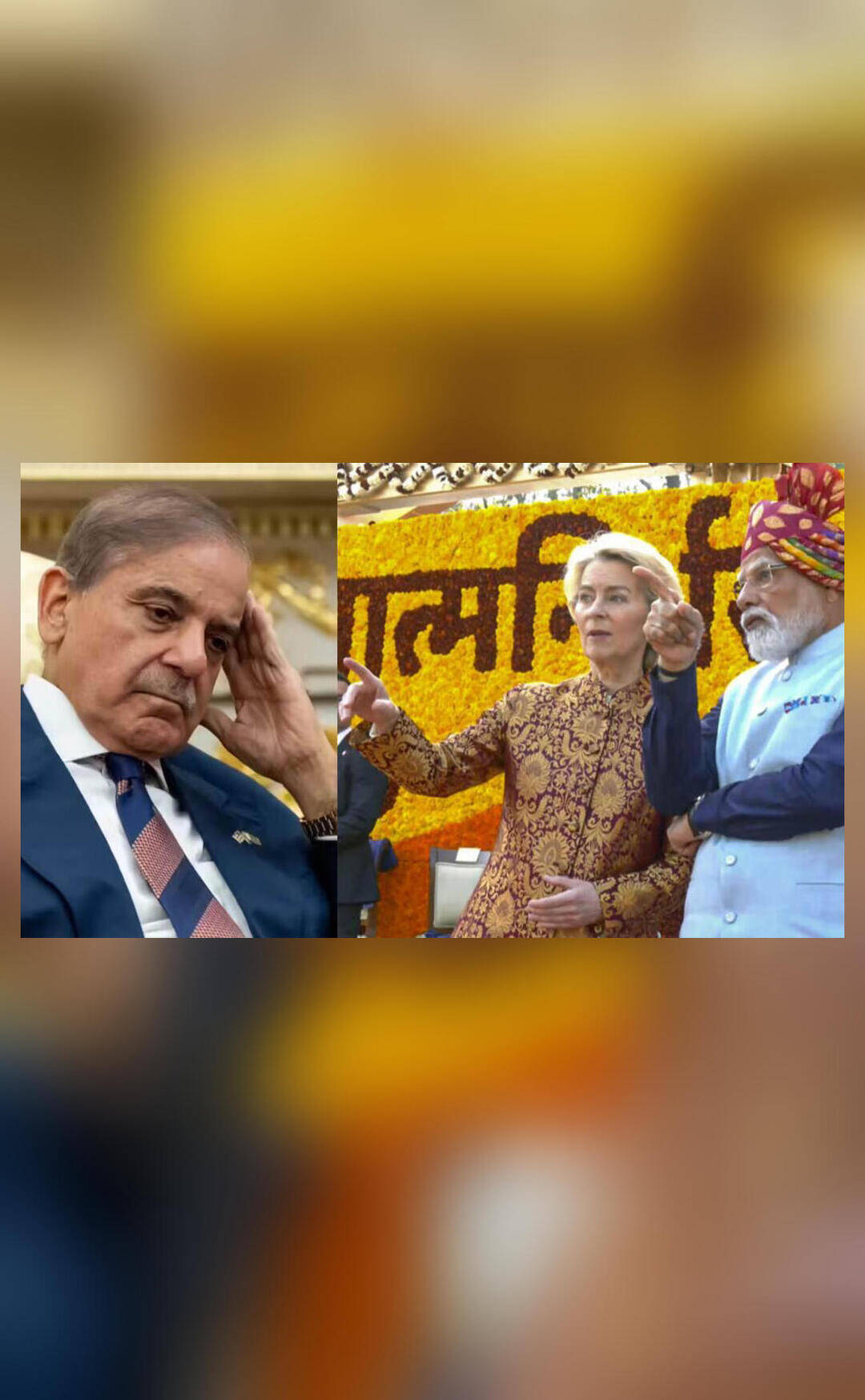
Pakistan releases statement after India and EU announce ‘mother of all trade deals’
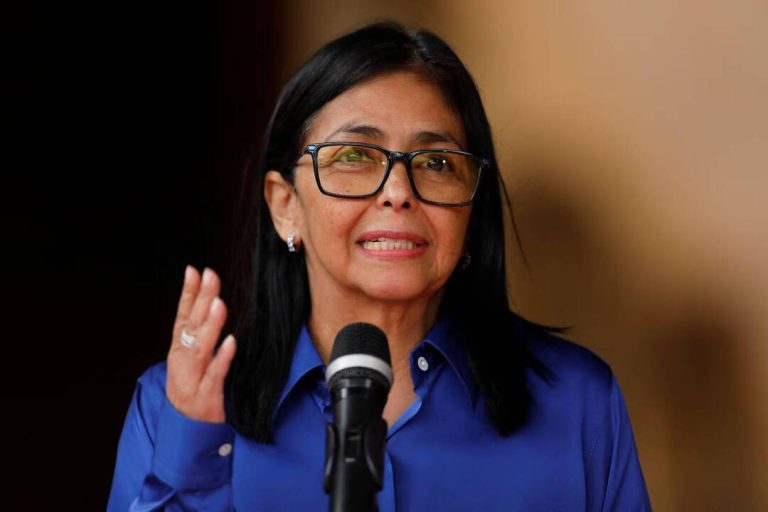
In a recent development, India and the European Union (EU) have announced a comprehensive free trade agreement, dubbed the “mother of all trade deals”. This move has sparked a reaction from Pakistan, which has been enjoying preferential trade terms with the EU under the Generalized System of Preferences Plus (GSP+) scheme. Commenting on the India-EU trade deal, Pakistan said, “We are aware of this agreement. We have seen reports and as well as the content.” This statement suggests that Pakistan is closely monitoring the situation and is aware of the potential implications of the deal on its own trade relations with the EU.
Pakistan has maintained long-standing friendly relations with the EU, and the GSP+ scheme has been a key component of their bilateral cooperation. The scheme, which was granted to Pakistan in 2014, provides preferential access to the EU market for Pakistani exports. According to Pakistan, the GSP+ scheme has proven to be a win-win for bilateral cooperation, with the total volume of trade between the two sides standing at €12 billion. This significant trade volume is a testament to the strong economic ties between Pakistan and the EU.
However, with the announcement of the India-EU free trade agreement, Pakistan is concerned about the potential loss of its tariff edge in the EU market. The GSP+ scheme provides Pakistani exports with a competitive advantage, allowing them to enter the EU market at a lower tariff rate compared to other countries. With India, a major competitor of Pakistan, now having a free trade agreement with the EU, there are fears that Pakistani exports may lose their competitive edge.
To safeguard its exports, Pakistan has engaged with the EU to discuss the potential implications of the India-EU free trade agreement. Pakistan is seeking assurances from the EU that its GSP+ scheme will not be affected by the new trade deal. The country is also exploring options to enhance its trade relations with the EU, including the possibility of negotiating its own free trade agreement.
The India-EU free trade agreement is a significant development in the global trade landscape. The deal, which is expected to boost trade between India and the EU, has the potential to reshape the trade dynamics in the region. With the EU being one of the largest markets in the world, the deal provides India with unprecedented access to European consumers. However, the deal also poses challenges for other countries, including Pakistan, which have traditionally enjoyed preferential trade terms with the EU.
Pakistan’s concerns about the India-EU free trade agreement are not unfounded. The country has a significant stake in the EU market, with a large portion of its exports going to European countries. The loss of its tariff edge could have serious implications for Pakistan’s economy, which is already facing significant challenges. The country’s exports have been declining in recent years, and the loss of competitiveness in the EU market could exacerbate this trend.
To mitigate the potential impact of the India-EU free trade agreement, Pakistan needs to take proactive measures to enhance its trade relations with the EU. The country should engage in negotiations with the EU to secure a free trade agreement that provides similar benefits to the GSP+ scheme. Pakistan should also focus on diversifying its exports and exploring new markets, including the EU, to reduce its dependence on traditional markets.
In conclusion, the India-EU free trade agreement has significant implications for Pakistan’s trade relations with the EU. While Pakistan has maintained long-standing friendly relations with the EU, the country is concerned about the potential loss of its tariff edge in the EU market. To safeguard its exports, Pakistan has engaged with the EU to discuss the potential implications of the deal. The country should continue to explore options to enhance its trade relations with the EU, including negotiating a free trade agreement, to ensure that its exports remain competitive in the European market.
About the Author