Miranda House, DRDO develop Indian chip to flag early heart attack risk in soldiers
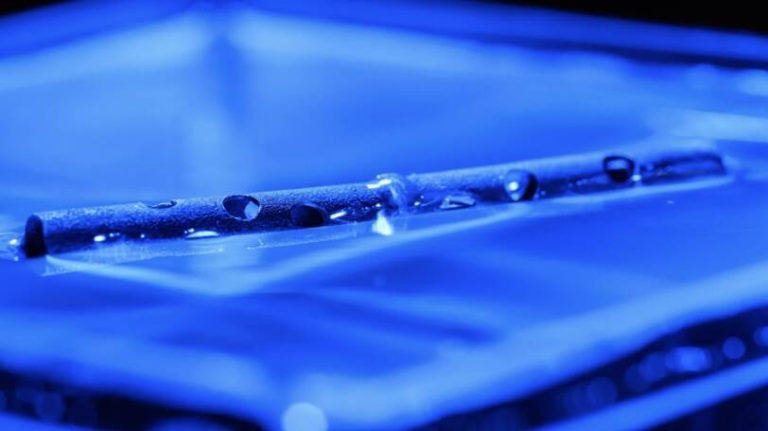
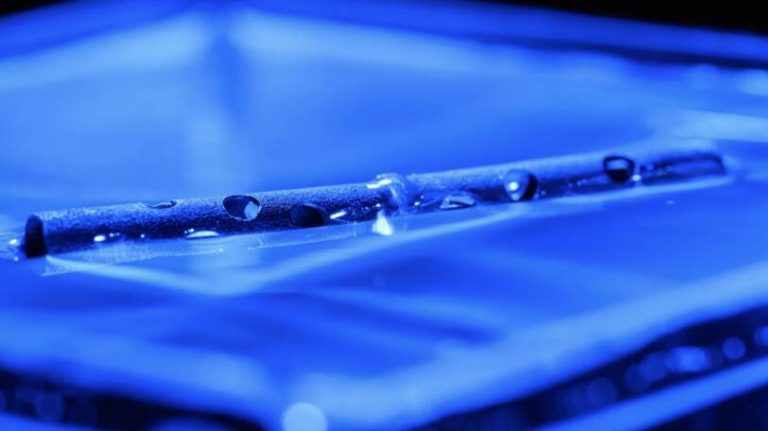
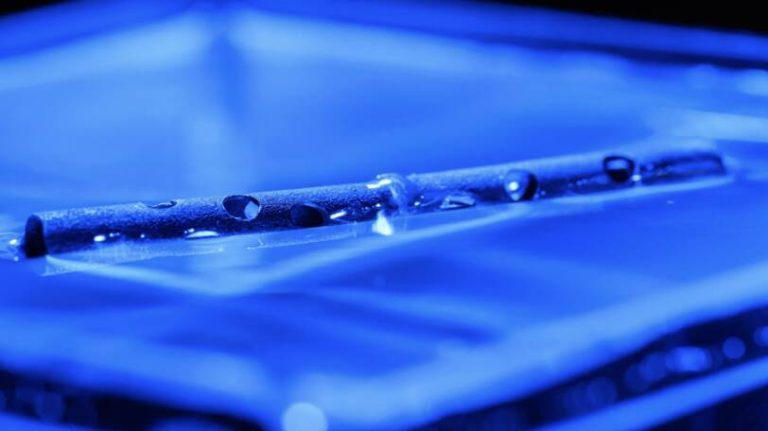
In a groundbreaking development, Miranda House, a premier women’s college in Delhi, has collaborated with the Defence Research and Development Organisation (DRDO) to create a Made-in-India biological chip that can detect early cardiac risk markers in soldiers. The innovative BioFET-based sensor is designed to analyze blood serum and identify warning signs linked to heart attacks, enabling timely medical intervention for soldiers operating in extreme, high-stress conditions. This pioneering achievement has the potential to revolutionize the field of medical diagnostics and save countless lives.
The development of the indigenous chip is a significant milestone in the country’s pursuit of self-reliance in the field of medical technology. The collaboration between Miranda House and DRDO is a testament to the power of interdisciplinary research and the potential for academic institutions to contribute to the development of cutting-edge technologies. The project is a shining example of the government’s “Make in India” initiative, which aims to promote indigenous manufacturing and reduce dependence on foreign technologies.
The BioFET-based sensor is a sophisticated device that uses advanced nanotechnology to detect biomarkers in blood serum. The sensor is designed to be highly sensitive and specific, allowing it to detect even slight changes in the levels of biomarkers that are indicative of cardiac risk. The device is also highly portable and can be used in remote and resource-constrained areas, making it an ideal tool for soldiers operating in extreme environments.
The development of the chip is a result of extensive research and testing by a team of scientists and engineers from Miranda House and DRDO. The team used advanced technologies such as nanotechnology and biotechnology to create the sensor, which is capable of detecting multiple biomarkers simultaneously. The sensor is also highly stable and can be stored for extended periods without losing its sensitivity.
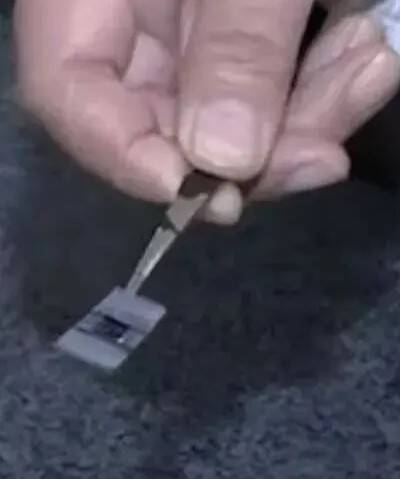
The prototype of the chip has been handed over to DRDO for further testing and field trials. The organization will conduct rigorous testing to validate the performance of the device and ensure that it meets the required standards. Once the device is validated, it will be deployed in the field to help soldiers detect early cardiac risk markers and take preventive measures to reduce their risk of heart attacks.
The development of the indigenous chip has significant implications for the health and wellbeing of soldiers operating in extreme environments. Soldiers are often exposed to high levels of physical and mental stress, which can increase their risk of heart attacks and other cardiovascular diseases. The ability to detect early cardiac risk markers can help soldiers take preventive measures such as modifying their lifestyle, diet, and exercise habits to reduce their risk of heart attacks.
The technology also has the potential to be used in civilian healthcare settings, particularly in remote and resource-constrained areas where access to medical facilities is limited. The device can be used to detect biomarkers for a range of diseases, including diabetes, cancer, and infectious diseases. The use of the device can help healthcare professionals diagnose diseases at an early stage, enabling timely medical intervention and improving patient outcomes.
In conclusion, the development of the Made-in-India biological chip by Miranda House and DRDO is a significant achievement that has the potential to revolutionize the field of medical diagnostics. The device can help detect early cardiac risk markers in soldiers operating in extreme environments, enabling timely medical intervention and reducing their risk of heart attacks. The technology also has the potential to be used in civilian healthcare settings, particularly in remote and resource-constrained areas. The collaboration between Miranda House and DRDO is a testament to the power of interdisciplinary research and the potential for academic institutions to contribute to the development of cutting-edge technologies.
About the Author