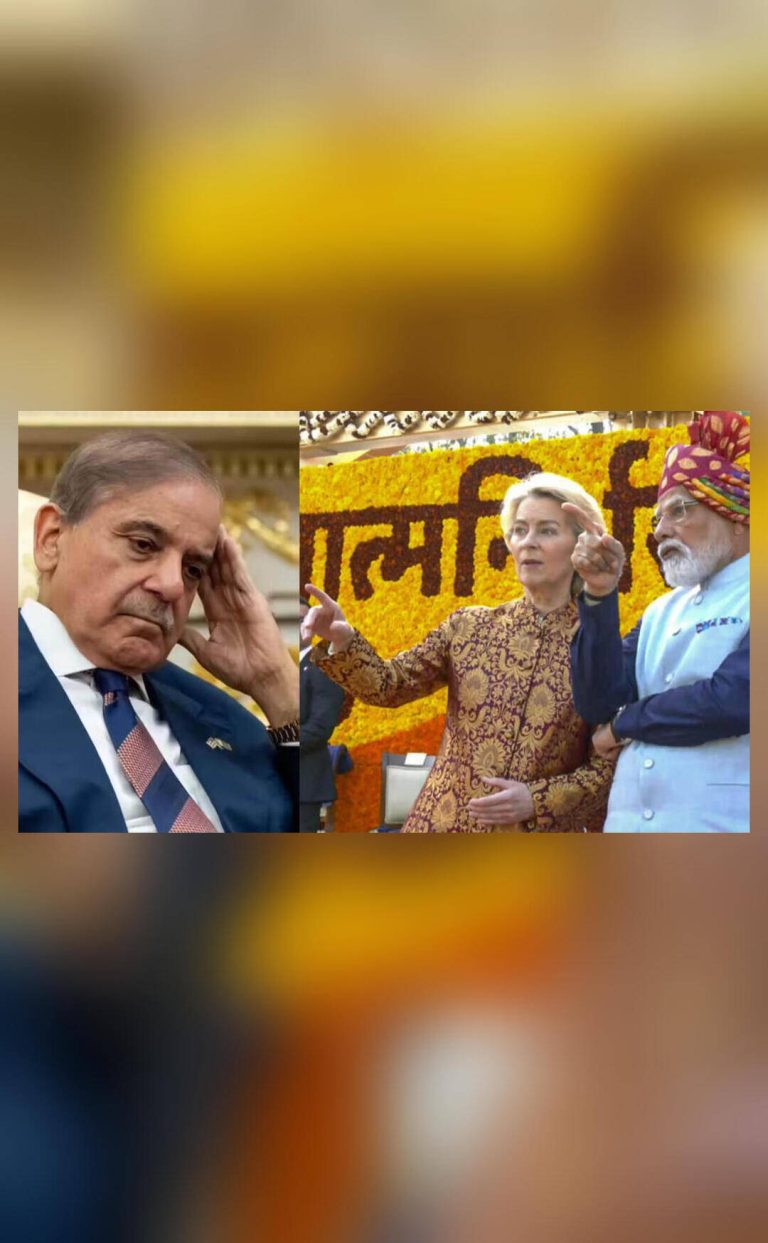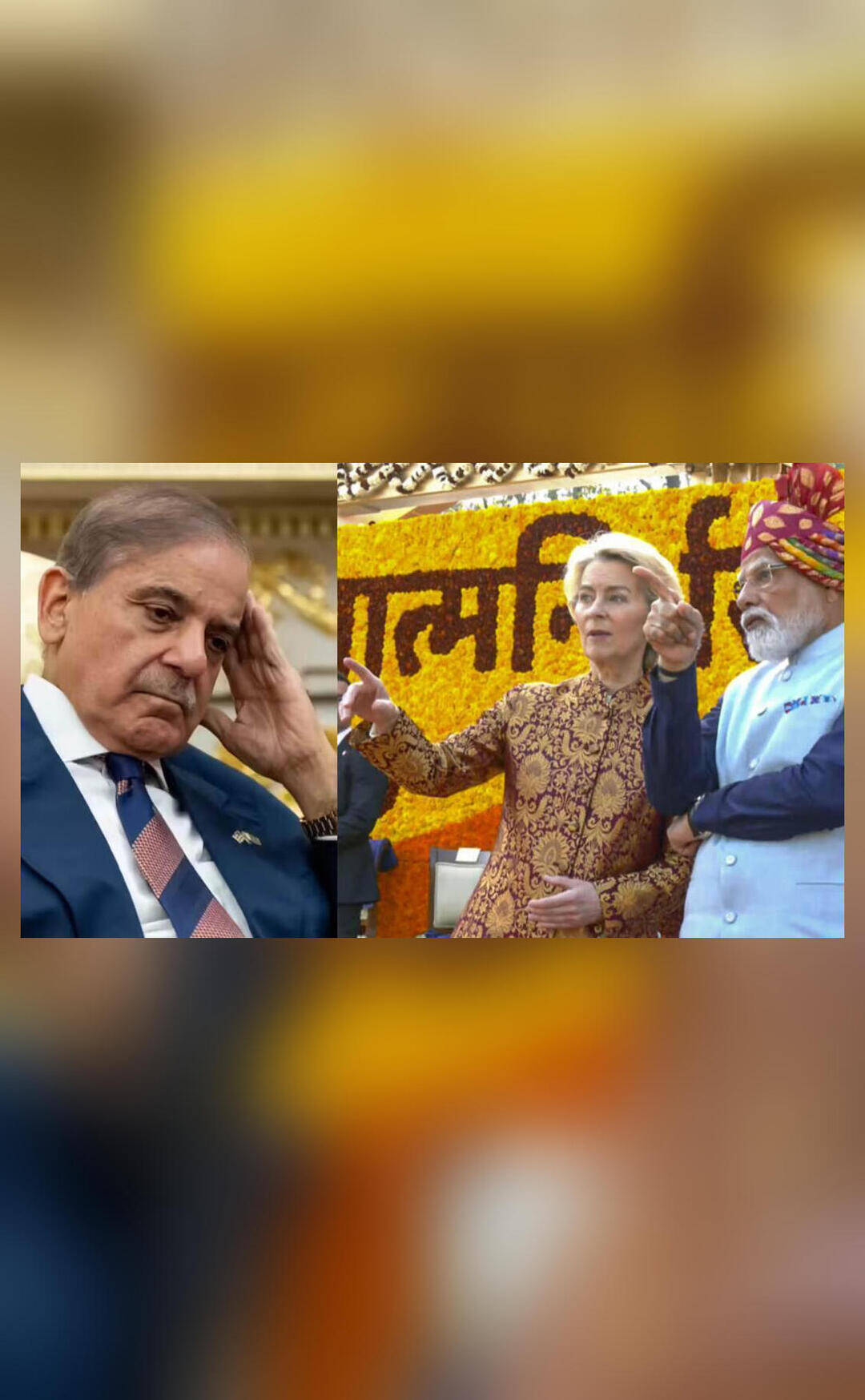
Pakistan releases statement after India and EU announce ‘mother of all trade deals’
In a recent development, India and the European Union (EU) have announced a landmark trade deal, dubbed the “mother of all trade deals”. This agreement is expected to have far-reaching implications for global trade, and neighboring countries are already taking notice. Pakistan, in particular, has released a statement commenting on the deal, highlighting its own relationship with the EU and the potential impact on its exports.
According to reports, the India-EU trade deal is expected to be a comprehensive agreement that will cover a wide range of sectors, including trade, investment, and services. The deal is seen as a major boost to India’s economy, and is expected to increase trade between the two parties significantly. However, the agreement has also raised concerns among other countries, including Pakistan, which has been enjoying preferential trade terms with the EU under the Generalized System of Preferences (GSP+) scheme.
Commenting on the India-EU trade deal, Pakistan said, “We are aware of this agreement. We have seen reports and as well as the content.” The statement, which was released by the Pakistani government, acknowledged the significance of the deal and its potential impact on the regional trade landscape. However, Pakistan also sought to reassure its own exporters, stating that it maintains “long standing friendly…relations with EU”.
The EU GSP+ scheme has been a crucial factor in Pakistan’s export strategy, providing the country with preferential access to the EU market. The scheme, which was granted to Pakistan in 2014, allows the country to export goods to the EU at reduced or zero tariffs, giving it a significant competitive edge in the global market. According to Pakistan, the EU GSP+ scheme has proven to be a “win-win” for bilateral cooperation, with the total volume of trade between the two sides standing at €12 billion.
The Pakistani government’s statement is seen as an attempt to reassure its exporters that the country’s trade relationship with the EU remains strong, despite the India-EU trade deal. However, there are concerns that the new agreement could erode Pakistan’s competitive edge in the EU market, particularly if India is granted similar or better trade terms. Pakistan’s exports to the EU are largely composed of textiles, leather goods, and other manufactured products, which are also major export items for India.
To mitigate the potential impact of the India-EU trade deal, Pakistan has been engaging with the EU to safeguard its exports. According to reports, Pakistani officials have been in talks with their EU counterparts to discuss the implications of the deal and to explore ways to maintain the country’s competitive edge in the EU market. Pakistan is reportedly seeking assurances that its GSP+ status will be maintained, and that its exports will not be negatively impacted by the new agreement.
The India-EU trade deal is seen as a significant development in the global trade landscape, and its implications will be closely watched by countries around the world. For Pakistan, the deal presents both opportunities and challenges, and the government will need to navigate the new trade environment carefully to ensure that its exporters remain competitive. As the situation unfolds, it will be important to monitor the developments and assess the impact on Pakistan’s trade relationship with the EU.
In conclusion, the India-EU trade deal is a significant development that will have far-reaching implications for global trade. Pakistan’s statement on the deal highlights the country’s long-standing friendly relations with the EU and its commitment to maintaining a strong trade relationship. However, the deal also presents challenges for Pakistan, particularly in terms of maintaining its competitive edge in the EU market. As the situation unfolds, it will be important to monitor the developments and assess the impact on Pakistan’s trade relationship with the EU.
About the Author