Miranda House, DRDO develop Indian chip to flag early heart attack risk in soldiers
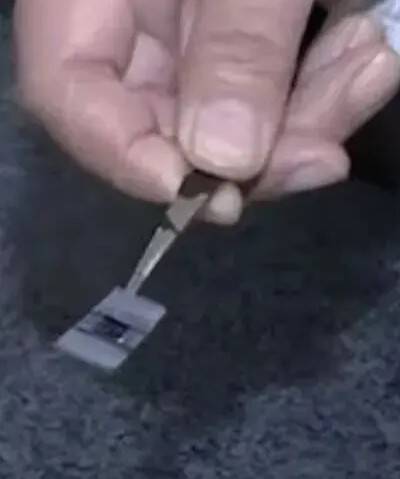
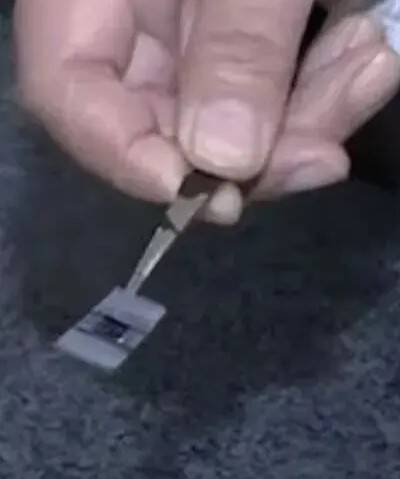
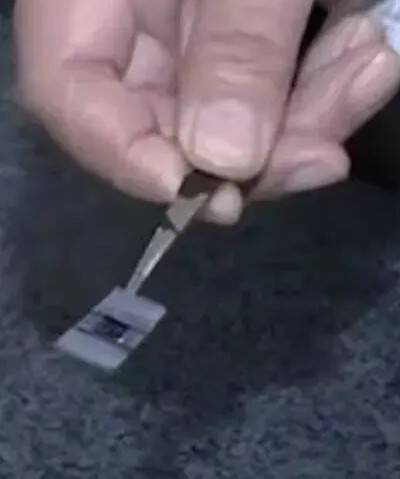
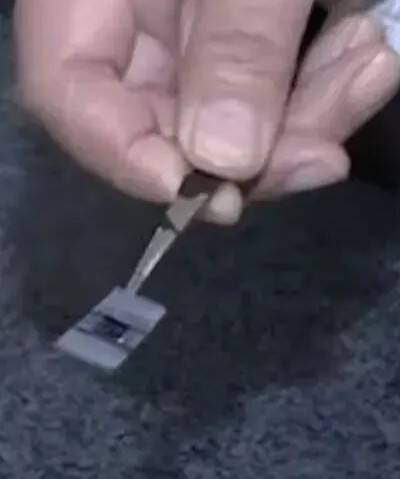
In a groundbreaking achievement, Miranda House, a prestigious college for women in Delhi, has collaborated with the Defence Research and Development Organisation (DRDO) to develop a Made-in-India biological chip. This innovative chip is designed to detect early cardiac risk markers, enabling timely medical intervention for soldiers operating in extreme, high-stress conditions. The development of this indigenous chip is a significant milestone in the field of medical technology and is expected to save countless lives.
The BioFET-based sensor, developed by the research team at Miranda House, analyses blood serum to identify warning signs linked to heart attacks. This chip is a remarkable example of Indian innovation and is a testament to the country’s growing capabilities in the field of biotechnology. The prototype of the chip has been handed over to DRDO for further testing and field trials, marking a significant step towards its potential deployment in the field.
The development of this chip is a response to the growing concern about cardiovascular diseases among soldiers, who often operate in extreme conditions, such as high altitudes, extreme temperatures, and high-stress environments. These conditions can take a toll on the heart, increasing the risk of heart attacks and other cardiovascular diseases. The early detection of cardiac risk markers is crucial in preventing such incidents, and the Made-in-India chip is designed to do just that.
The BioFET-based sensor uses a innovative technology to analyze blood serum and identify biomarkers that are indicative of cardiac risk. The chip is designed to be compact, portable, and user-friendly, making it an ideal solution for use in field conditions. The sensor can detect multiple biomarkers simultaneously, providing a comprehensive picture of the individual’s cardiac health.
The collaboration between Miranda House and DRDO is a shining example of the power of public-private partnerships in driving innovation. The research team at Miranda House brought their expertise in biotechnology and biosensors to the table, while DRDO provided the necessary resources and support to take the project forward. The outcome is a cutting-edge technology that has the potential to save lives and improve the health and well-being of soldiers.
The development of the Made-in-India chip is also a significant step towards achieving self-reliance in the field of medical technology. India has long been dependent on foreign technology and imports to meet its medical needs, but this innovation marks a shift towards indigenous development and manufacturing. The chip is a testament to India’s growing capabilities in the field of biotechnology and is expected to pave the way for further innovations in the sector.
The potential applications of the BioFET-based sensor extend beyond the military sector. The chip can be used in a variety of settings, including hospitals, clinics, and diagnostic centers, to detect cardiac risk markers and prevent heart attacks. The technology can also be adapted for use in other fields, such as sports medicine and occupational health, where early detection of cardiac risk is critical.
In conclusion, the development of the Made-in-India biological chip by Miranda House and DRDO is a significant achievement that has the potential to save lives and improve the health and well-being of soldiers. The innovation is a testament to India’s growing capabilities in the field of biotechnology and is expected to pave the way for further innovations in the sector. As the chip undergoes further testing and field trials, we can expect to see its potential deployment in the field, where it can make a real difference in the lives of soldiers and civilians alike.
About the Author