Miranda House, DRDO develop Indian chip to flag early heart attack risk in soldiers
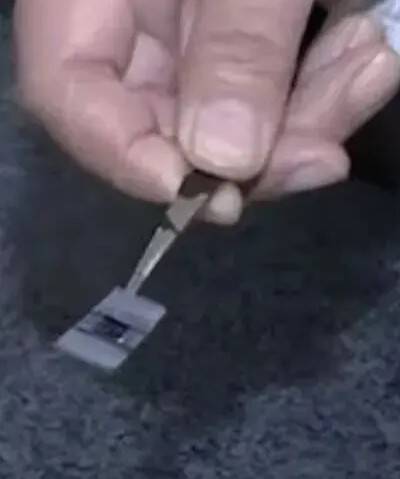
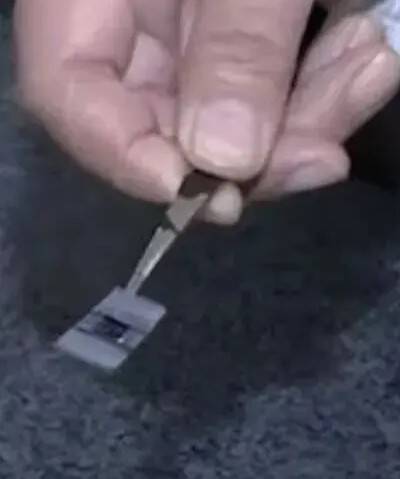
In a groundbreaking achievement, Miranda House, a premier women’s college in Delhi, has collaborated with the Defence Research and Development Organisation (DRDO) to develop a Made-in-India biological chip. This innovative chip is designed to detect early cardiac risk markers, enabling timely medical intervention for soldiers operating in extreme, high-stress conditions. The BioFET-based sensor analyses blood serum to identify warning signs linked to heart attacks, paving the way for a significant reduction in cardiovascular-related casualties among Indian soldiers.
The development of this indigenous chip is a testament to the growing expertise of Indian researchers and scientists in the field of biotechnology and nanotechnology. By leveraging the capabilities of BioFET (Biosensors based on Field-Effect Transistors), the team has created a sensitive and accurate tool for detecting cardiac biomarkers. This breakthrough has the potential to revolutionize the way heart health is monitored, particularly in high-risk professions like the military.
The Need for Early Detection
Cardiovascular diseases are a leading cause of mortality worldwide, accounting for millions of deaths each year. In India, the burden of heart disease is particularly significant, with a large proportion of the population affected by hypertension, diabetes, and other cardiovascular risk factors. For soldiers, the risks are even higher due to the extreme physical and mental demands of their job. Prolonged exposure to high-stress environments, combined with limited access to medical care, can exacerbate the risk of heart attacks and other cardiovascular events.
Early detection is critical in preventing heart attacks and reducing the risk of cardiovascular-related mortality. Traditional methods of detecting cardiac risk markers, such as electrocardiograms (ECGs) and blood tests, can be time-consuming and may not always provide accurate results. The BioFET-based sensor developed by Miranda House and DRDO offers a rapid, sensitive, and cost-effective solution for detecting cardiac biomarkers, enabling timely medical intervention and potentially saving lives.
How the Chip Works
The BioFET-based sensor uses a novel approach to detect cardiac biomarkers in blood serum. The chip is coated with a specialized material that binds to specific biomarkers, such as troponin and creatine kinase, which are released into the bloodstream during a heart attack. When a blood sample is applied to the chip, the bound biomarkers trigger a change in the electrical signal, which is then measured by the sensor. This signal is proportional to the concentration of the biomarker, allowing for accurate quantification of the cardiac risk.
The chip is designed to be user-friendly, requiring only a small blood sample and providing results within minutes. This makes it an ideal tool for field applications, where rapid diagnosis and treatment are critical. The sensor is also highly sensitive, allowing for the detection of biomarkers at very low concentrations, which is essential for early detection of cardiac risk.
Collaboration and Future Directions
The development of the BioFET-based sensor is a result of a successful collaboration between Miranda House and DRDO. The project was initiated with the goal of creating a low-cost, portable, and accurate tool for detecting cardiac biomarkers. The team consisted of researchers and scientists from both organizations, who worked together to design, develop, and test the chip.
The prototype has been handed over to DRDO for further testing and field trials. The organization plans to conduct extensive validation studies to ensure the chip’s accuracy and reliability. Once validated, the chip is expected to be deployed in various military settings, including field hospitals and medical units.
The success of this project demonstrates the potential for collaboration between academic institutions and government organizations in driving innovation and addressing pressing national challenges. It also highlights the growing capabilities of Indian researchers and scientists in developing cutting-edge technologies, such as biosensors and nanotechnology.
Conclusion
The development of the Made-in-India biological chip by Miranda House and DRDO is a significant achievement, with far-reaching implications for the detection and prevention of heart attacks among soldiers. The BioFET-based sensor offers a rapid, sensitive, and cost-effective solution for detecting cardiac biomarkers, enabling timely medical intervention and potentially saving lives. As the chip undergoes further testing and validation, it is expected to become a valuable tool in the arsenal of Indian military medical professionals, helping to reduce the risk of cardiovascular-related casualties and improve the overall health and well-being of soldiers.
About the Author