Miranda House, DRDO develop Indian chip to flag early heart attack risk in soldiers
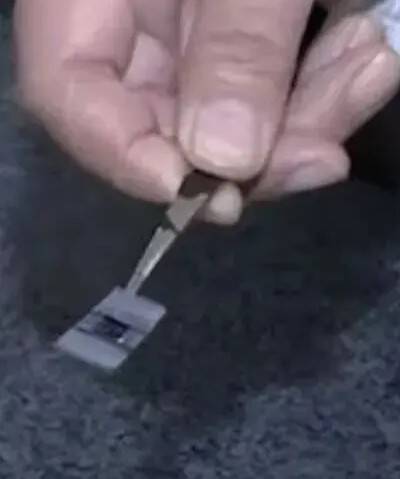
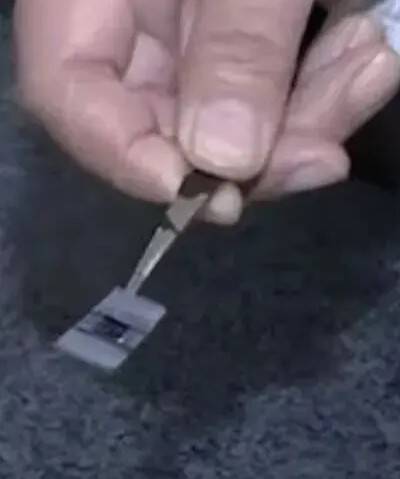
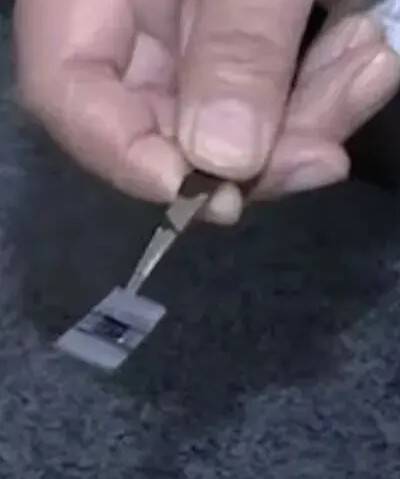
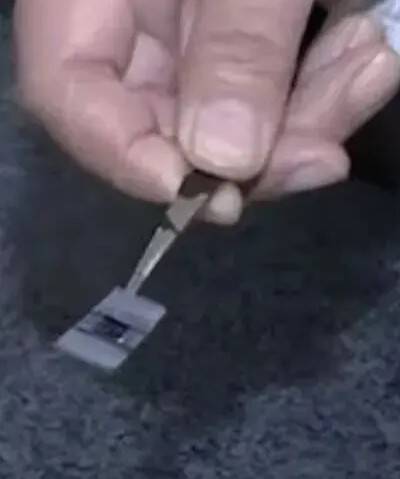
In a groundbreaking achievement, Miranda House, in collaboration with the Defence Research and Development Organisation (DRDO), has successfully developed a Made-in-India biological chip designed to detect early cardiac risk markers. This innovative BioFET-based sensor analyzes blood serum to identify warning signs linked to heart attacks, enabling timely medical intervention for soldiers operating in extreme, high-stress conditions. The prototype has been handed over to DRDO for further testing and field trials, marking a significant milestone in the development of indigenous medical technology.
The development of this biological chip is a testament to the growing capabilities of Indian research institutions and their collaboration with defense organizations. The Miranda House team, comprising experts in biotechnology and engineering, worked closely with DRDO to design and develop the chip, which uses advanced biosensor technology to detect biomarkers associated with cardiac risk. The BioFET-based sensor is highly sensitive and can detect even minor changes in blood serum, allowing for early warning signs of a potential heart attack to be identified.
The importance of this development cannot be overstated, particularly in the context of the Indian military. Soldiers operating in high-stress, extreme environments are at a higher risk of cardiovascular disease, which can be exacerbated by factors such as high altitude, extreme temperatures, and physical exertion. The ability to detect early warning signs of a heart attack can be a lifesaver, enabling timely medical intervention and potentially preventing fatalities.
The biological chip developed by Miranda House and DRDO is a significant improvement over existing diagnostic methods, which often rely on invasive and time-consuming procedures. The chip is designed to be user-friendly, requiring only a small blood sample to analyze, and can provide results in a matter of minutes. This rapid diagnosis can be critical in emergency situations, where every minute counts.
The collaboration between Miranda House and DRDO is a shining example of the power of public-private partnerships in driving innovation and development. By leveraging the expertise of both institutions, the team was able to develop a cutting-edge technology that has the potential to save lives. The development of this biological chip is also a testament to the growing capabilities of Indian research institutions, which are increasingly playing a significant role in driving innovation and development in the country.
The handover of the prototype to DRDO for further testing and field trials marks an important milestone in the development of this technology. The DRDO will conduct extensive testing and validation of the chip, including field trials with soldiers operating in extreme environments. This will help to refine the technology, identify any limitations, and ensure that it is effective in real-world scenarios.
The development of this biological chip has significant implications for the Indian military, as well as the broader healthcare sector. The ability to detect early warning signs of a heart attack can help to prevent fatalities, reduce morbidity, and improve overall health outcomes. The technology also has the potential to be adapted for use in other high-risk professions, such as aviation and emergency response.
In conclusion, the development of the Made-in-India biological chip by Miranda House and DRDO is a significant achievement that has the potential to save lives. The collaboration between these two institutions is a testament to the power of public-private partnerships in driving innovation and development. As the technology undergoes further testing and validation, it is likely to have a significant impact on the Indian military, as well as the broader healthcare sector.
About the Author