Miranda House, DRDO develop Indian chip to flag early heart attack risk in soldiers
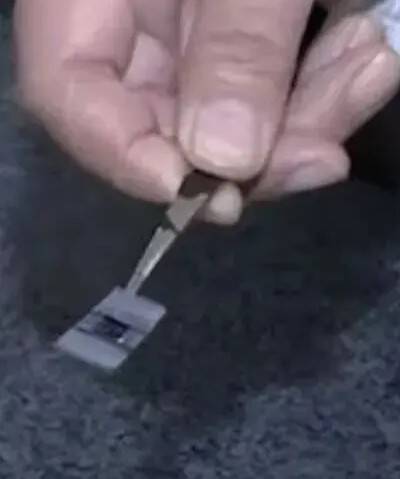
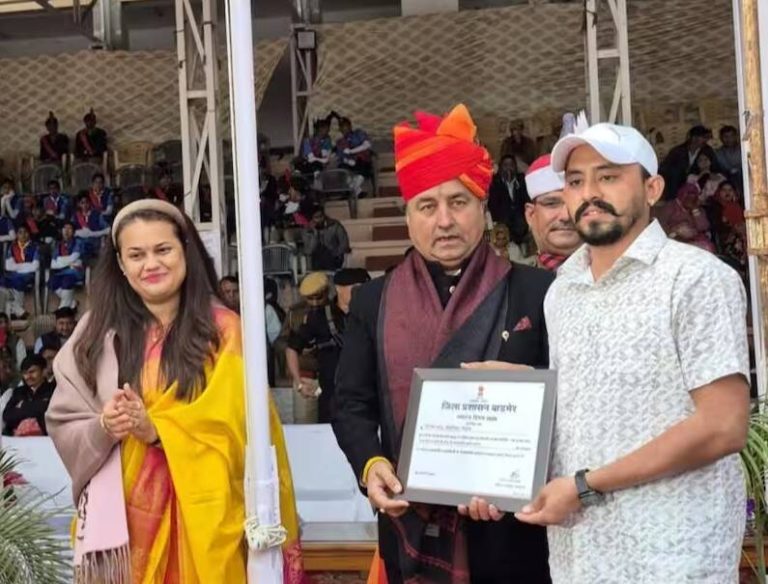
In a groundbreaking achievement, Miranda House, a prestigious college for women in Delhi, has collaborated with the Defence Research and Development Organisation (DRDO) to develop a Made-in-India biological chip. This innovative chip is designed to detect early cardiac risk markers, enabling timely medical intervention for soldiers operating in extreme, high-stress conditions. The prototype of the BioFET-based sensor has been successfully handed over to DRDO for further testing and field trials.
The development of this indigenous chip is a significant milestone in the field of medical technology, particularly in the context of India’s defence sector. Soldiers often face immense physical and mental stress, which can increase their risk of heart attacks. Early detection of cardiac risk markers is crucial to prevent such incidents and ensure the well-being of our brave soldiers. The collaboration between Miranda House and DRDO has resulted in a cutting-edge solution that can potentially save countless lives.
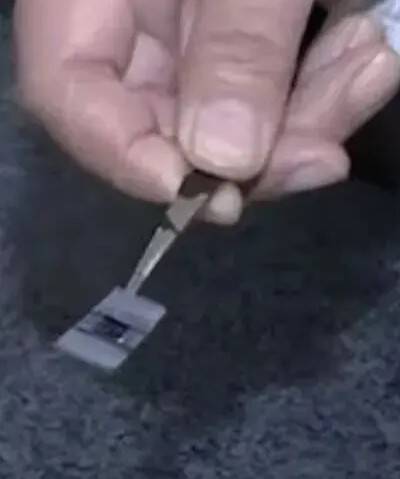
The BioFET-based sensor is a biosensor that analyses blood serum to identify warning signs linked to heart attacks. It uses a field-effect transistor (FET) to detect changes in the electrical properties of the blood serum, which can indicate the presence of cardiac risk markers. The sensor is designed to be compact, portable, and user-friendly, making it an ideal solution for use in remote and high-stress environments.
The development of this chip is a testament to the power of collaboration between academic institutions and government organisations. Miranda House, with its strong focus on science and technology, brought its expertise in biosensor technology to the table. DRDO, with its vast experience in defence research and development, provided the necessary resources and support to take the project forward. The result is a truly indigenous solution that showcases India’s capabilities in medical technology.
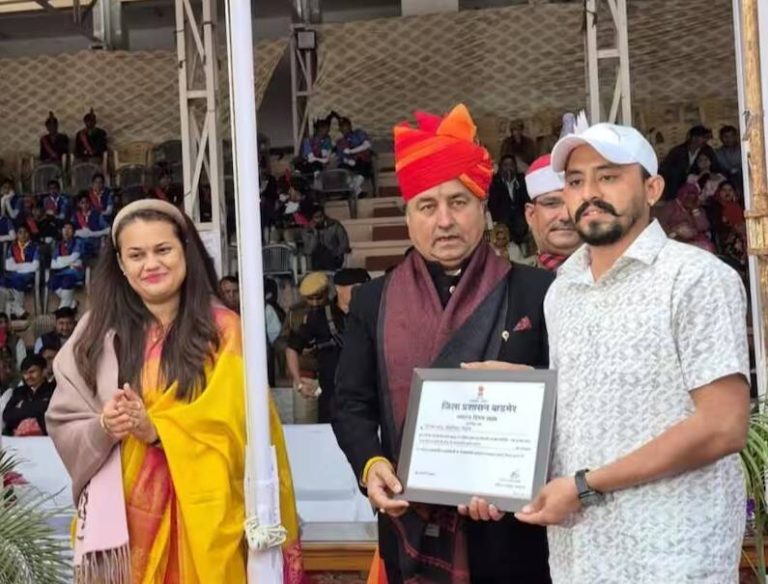
The prototype of the BioFET-based sensor has been handed over to DRDO for further testing and field trials. The organisation will conduct rigorous tests to validate the efficacy and reliability of the chip. Once the chip is certified, it will be deployed in various defence settings, including border outposts and military hospitals. The chip will enable medical professionals to detect early cardiac risk markers in soldiers, allowing for timely medical intervention and potentially saving lives.
The development of this chip has significant implications for India’s defence sector. Soldiers operating in extreme conditions, such as high-altitude borders or conflict zones, will benefit greatly from this technology. The chip will enable medical professionals to monitor the health of soldiers in real-time, detecting potential cardiac risks before they become life-threatening. This will not only save lives but also reduce the burden on the healthcare system.
Furthermore, this indigenous chip has the potential to be used in various civilian settings, such as hospitals and clinics. The technology can be adapted to detect other health risks, such as diabetes and cancer, making it a versatile solution for the healthcare sector. The development of this chip is a significant step towards India’s goal of becoming self-sufficient in medical technology.
In conclusion, the collaboration between Miranda House and DRDO has resulted in a groundbreaking achievement in medical technology. The development of the BioFET-based sensor is a testament to India’s capabilities in innovation and research. The chip has the potential to save countless lives and reduce the burden on the healthcare system. As the chip undergoes further testing and field trials, we can expect to see its deployment in various defence and civilian settings.
About the Author