Miranda House, DRDO develop Indian chip to flag early heart attack risk in soldiers
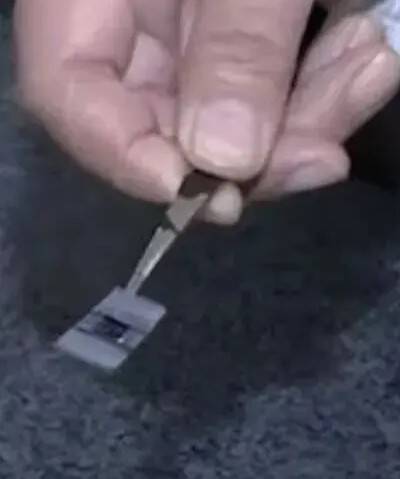
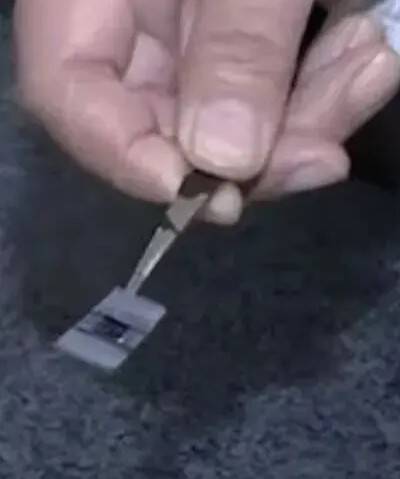
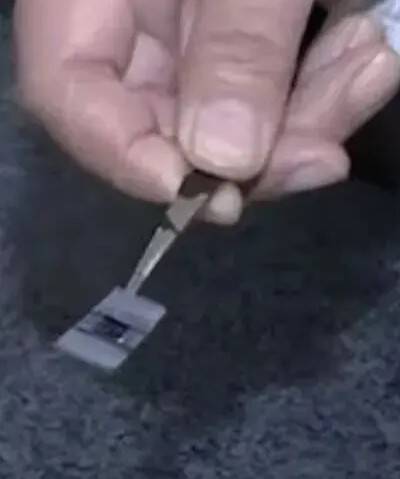
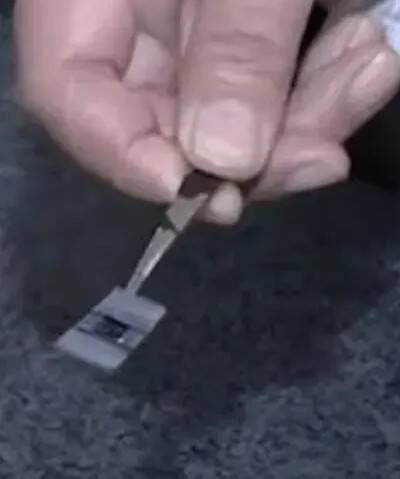
In a groundbreaking development, Miranda House, in collaboration with the Defence Research and Development Organisation (DRDO), has successfully created a Made-in-India biological chip designed to detect early cardiac risk markers. This innovative BioFET-based sensor analyzes blood serum to identify warning signs linked to heart attacks, enabling timely medical intervention for soldiers operating in extreme, high-stress conditions. The prototype has been handed over to DRDO for further testing and field trials, marking a significant milestone in the development of indigenous medical technology.
The collaboration between Miranda House and DRDO is a testament to the growing emphasis on indigenous innovation and self-reliance in the field of defense and medical research. The development of this biological chip is a crucial step towards enhancing the safety and well-being of soldiers who often operate in high-risk environments. By detecting early cardiac risk markers, the chip can help prevent heart attacks and save lives, reducing the risk of casualties and improving overall military effectiveness.
The BioFET-based sensor is a cutting-edge technology that uses biological field-effect transistors to analyze blood serum and detect specific biomarkers associated with heart attacks. These biomarkers, such as troponin and creatine kinase, are proteins that are released into the bloodstream when the heart is under stress or damaged. By detecting these biomarkers, the chip can provide an early warning system for soldiers who may be at risk of a heart attack, allowing for timely medical intervention and preventing potentially catastrophic consequences.
The development of this chip is particularly significant for soldiers operating in extreme environments, such as high-altitude or high-temperature zones, where the risk of heart attacks is increased due to physical stress and other factors. By providing an early warning system, the chip can help soldiers take preventive measures, such as adjusting their physical activity levels or seeking medical attention, to reduce their risk of heart attacks.
The collaboration between Miranda House and DRDO has been instrumental in the development of this technology. The research team at Miranda House, comprising experts in biology, chemistry, and physics, worked closely with DRDO scientists to design and develop the biological chip. The team’s expertise in biosensor technology and biomarker analysis was critical in creating a device that can accurately detect early cardiac risk markers.
The prototype of the biological chip has been handed over to DRDO for further testing and field trials. The next phase of development will involve testing the chip in real-world conditions, including field trials with soldiers operating in extreme environments. The results of these trials will be crucial in validating the effectiveness of the chip and identifying areas for further improvement.
The development of this Made-in-India biological chip is a significant achievement for the country’s defense and medical research communities. It demonstrates the growing capabilities of Indian researchers and scientists in developing cutting-edge technologies that can address critical challenges in the field of defense and healthcare. The collaboration between Miranda House and DRDO is a model for future partnerships between academic institutions and defense research organizations, highlighting the potential for innovative technologies to be developed through collaborative research and development.
In conclusion, the development of the Indian chip to flag early heart attack risk in soldiers is a groundbreaking achievement that has the potential to save lives and improve the safety and well-being of soldiers operating in extreme environments. The collaboration between Miranda House and DRDO is a testament to the growing emphasis on indigenous innovation and self-reliance in the field of defense and medical research. As the technology undergoes further testing and field trials, it is likely to have a significant impact on the field of defense and healthcare, demonstrating the potential for Indian researchers and scientists to develop cutting-edge technologies that can address critical challenges.
About the Author