Miranda House, DRDO develop Indian chip to flag early heart attack risk in soldiers
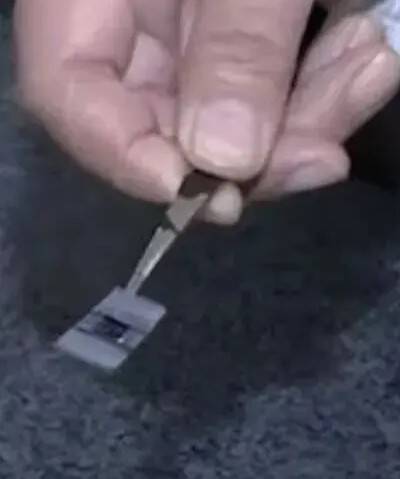
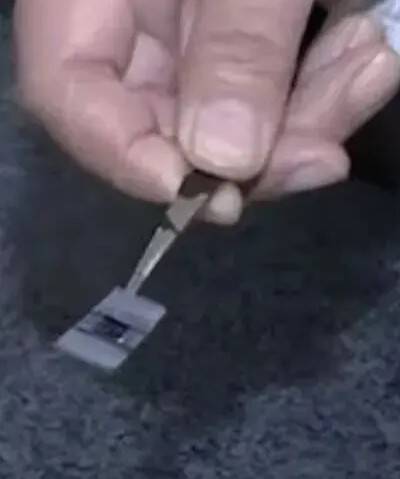
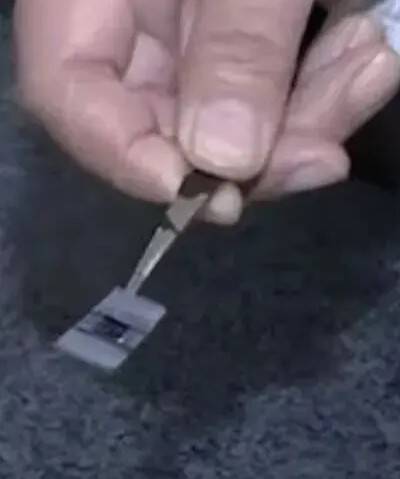
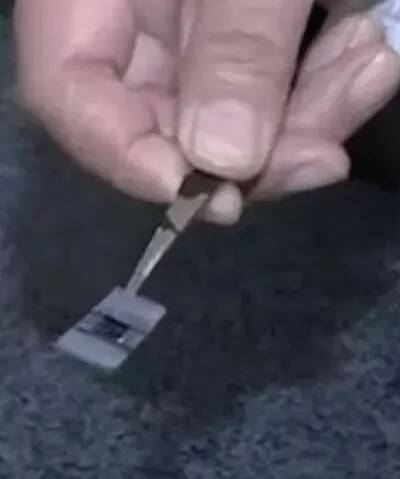
In a groundbreaking achievement, Miranda House, a premier women’s college in Delhi, has collaborated with the Defence Research and Development Organisation (DRDO) to develop a Made-in-India biological chip. This innovative chip is designed to detect early cardiac risk markers, enabling timely medical intervention for soldiers operating in extreme, high-stress conditions. The chip, which analyses blood serum to identify warning signs linked to heart attacks, has the potential to save countless lives and revolutionize the field of cardiovascular health.
The development of this biological chip is a significant milestone in the field of medical research, particularly in the context of India’s defense sector. Soldiers often operate in high-stress environments, where the risk of heart attacks and other cardiovascular diseases is significantly elevated. The ability to detect early warning signs of cardiac risk can mean the difference between life and death. The BioFET-based sensor, which is at the heart of this chip, is a highly sensitive and accurate tool that can analyze blood serum to identify biomarkers associated with heart attacks.
The collaboration between Miranda House and DRDO is a testament to the power of interdisciplinary research and collaboration. The team of researchers from Miranda House, led by Dr. Nandita Das Gupta, worked closely with scientists from DRDO to develop this innovative chip. The prototype has been handed over to DRDO for further testing and field trials, which will help to validate its efficacy and accuracy.
The development of this chip is also a significant step forward in the context of India’s “Make in India” initiative. The government has been actively promoting the development of indigenous technologies, and this chip is a shining example of what can be achieved through collaboration and innovation. The fact that this chip has been developed entirely in India, using indigenous technology, is a matter of great pride and a testament to the country’s growing capabilities in the field of medical research and technology.
The potential applications of this chip extend far beyond the defense sector. Cardiovascular diseases are a major public health concern in India, and the ability to detect early warning signs of cardiac risk can help to save countless lives. The chip can be used in hospitals, clinics, and other healthcare settings to analyze blood serum and identify biomarkers associated with heart attacks. This can help to enable timely medical intervention, reducing the risk of heart attacks and other cardiovascular diseases.
The development of this chip is also a significant achievement for Miranda House, which has established itself as a hub for innovative research and collaboration. The college has a strong focus on interdisciplinary research, and this project is a testament to the power of collaboration between different departments and institutions. The team of researchers from Miranda House worked closely with scientists from DRDO, using their expertise in biology, chemistry, and physics to develop this innovative chip.
In conclusion, the development of this Made-in-India biological chip is a groundbreaking achievement that has the potential to save countless lives. The collaboration between Miranda House and DRDO is a testament to the power of interdisciplinary research and collaboration, and the fact that this chip has been developed entirely in India is a matter of great pride. As the chip undergoes further testing and field trials, it is likely to have a significant impact on the field of cardiovascular health, both in the defense sector and beyond.
The development of this chip is a shining example of what can be achieved through innovation and collaboration. It is a testament to the growing capabilities of India’s medical research and technology sector, and it has the potential to make a significant difference in the lives of soldiers and civilians alike. As we look to the future, it is likely that this chip will play a major role in the early detection and prevention of heart attacks, and it will be exciting to see how it is used in different contexts and settings.
The fact that this chip has been developed using indigenous technology is a significant step forward for India’s “Make in India” initiative. It is a testament to the country’s growing capabilities in the field of medical research and technology, and it has the potential to inspire further innovation and collaboration. As we look to the future, it is likely that this chip will be just the beginning of a new era of innovation and collaboration in the field of medical research and technology.
In the context of India’s defense sector, this chip has the potential to make a significant difference in the lives of soldiers. The ability to detect early warning signs of cardiac risk can help to reduce the risk of heart attacks and other cardiovascular diseases, which are a major concern for soldiers operating in high-stress environments. The chip can be used in field hospitals and other healthcare settings to analyze blood serum and identify biomarkers associated with heart attacks, enabling timely medical intervention and reducing the risk of cardiac events.
The development of this chip is also a significant achievement for the team of researchers from Miranda House and DRDO. The collaboration between these two institutions has been highly successful, and it is a testament to the power of interdisciplinary research and collaboration. The team of researchers worked closely together, using their expertise in biology, chemistry, and physics to develop this innovative chip.
In the end, the development of this Made-in-India biological chip is a groundbreaking achievement that has the potential to save countless lives. The collaboration between Miranda House and DRDO is a testament to the power of interdisciplinary research and collaboration, and the fact that this chip has been developed entirely in India is a matter of great pride. As the chip undergoes further testing and field trials, it is likely to have a significant impact on the field of cardiovascular health, both in the defense sector and beyond.
About the Author