Miranda House, DRDO develop Indian chip to flag early heart attack risk in soldiers
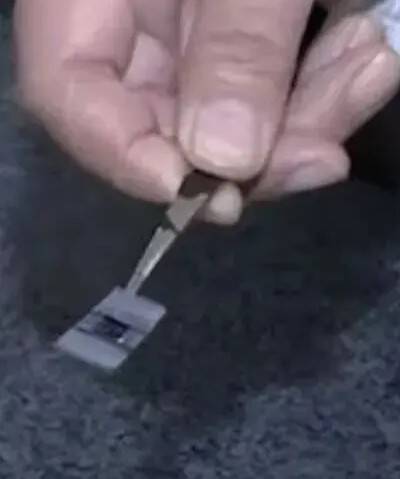
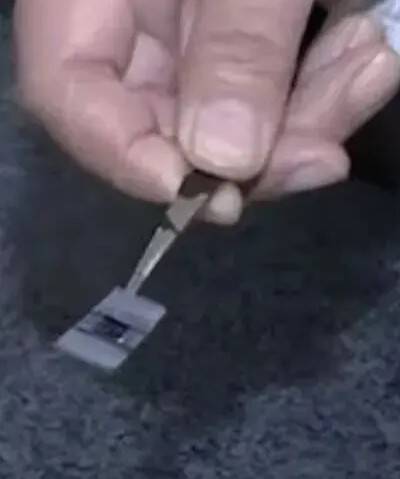
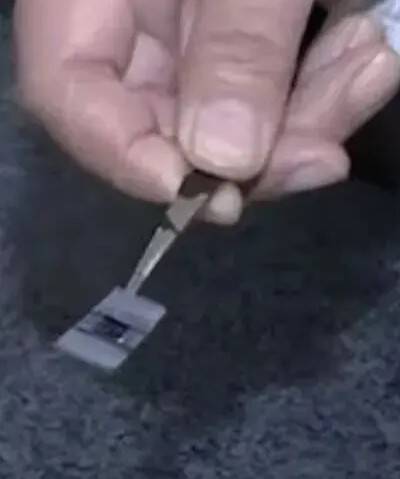
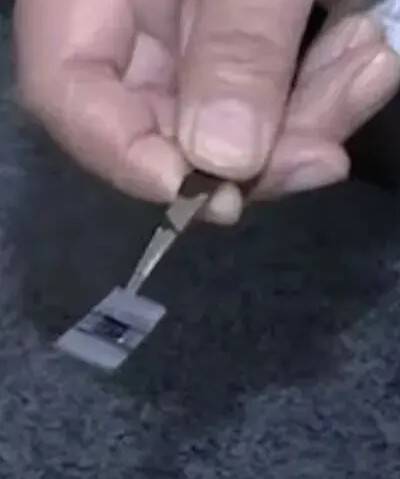
In a groundbreaking achievement, Miranda House, a premier women’s college in Delhi, has collaborated with the Defence Research and Development Organisation (DRDO) to develop a Made-in-India biological chip. This innovative chip is designed to detect early cardiac risk markers, enabling timely medical intervention for soldiers operating in extreme, high-stress conditions. The prototype of the BioFET-based sensor has been successfully handed over to DRDO for further testing and field trials.
The development of this indigenous chip is a significant milestone in the field of medical technology, particularly in the context of India’s defense sector. The chip is capable of analyzing blood serum to identify warning signs linked to heart attacks, which can be a major concern for soldiers deployed in high-altitude, high-stress environments. The early detection of cardiac risk markers can help prevent heart attacks and save lives, making this innovation a crucial tool for the Indian military.
The Science behind the Chip
The BioFET-based sensor uses a biological field-effect transistor (BioFET) to detect changes in the blood serum. BioFETs are a type of biosensor that can detect biomolecules, such as proteins, DNA, and other molecules, in a sample. In this case, the BioFET-based sensor is designed to detect specific biomarkers associated with heart attacks. These biomarkers can include troponin, creatine kinase, and other enzymes that are released into the bloodstream when the heart is under stress.
The chip is designed to be compact, portable, and user-friendly, making it easy to use in the field. The sensor can analyze a small sample of blood serum, providing rapid results that can help medical personnel identify soldiers at risk of a heart attack. The early detection of cardiac risk markers can enable timely medical intervention, including medication, lifestyle changes, and other treatments, to prevent a heart attack from occurring.
Collaboration between Miranda House and DRDO
The collaboration between Miranda House and DRDO is a testament to the power of partnerships between academic institutions and government organizations. The project was led by a team of researchers from Miranda House, who worked closely with scientists from DRDO to develop the chip. The partnership brought together the expertise of both organizations, with Miranda House contributing its knowledge of biosensors and biotechnology, and DRDO providing its expertise in defense-related research and development.
The collaboration is also a shining example of the contribution of women in science and technology. The team from Miranda House was led by women researchers, who played a critical role in the development of the chip. The project demonstrates the importance of promoting women in STEM fields and providing opportunities for them to contribute to cutting-edge research and development.
Implications for the Indian Military
The development of the Made-in-India biological chip has significant implications for the Indian military. The chip can help identify soldiers at risk of heart attacks, enabling timely medical intervention to prevent cardiac events. This can be particularly important in high-stress environments, such as high-altitude deployments, where the risk of heart attacks can be higher.
The chip can also help reduce the burden on the military’s medical resources. By detecting cardiac risk markers early, medical personnel can provide targeted treatment and prevention strategies, reducing the need for emergency medical evacuations and hospitalizations. This can help minimize the impact of heart attacks on military operations and ensure that soldiers remain fit and ready for duty.
Future Prospects
The development of the BioFET-based sensor is just the beginning of a new era in medical technology for the Indian military. The chip has the potential to be used in a variety of applications, including civilian healthcare, where it can help detect cardiac risk markers in patients. The technology can also be adapted for use in other areas, such as detecting biomarkers for diseases like cancer and diabetes.
The collaboration between Miranda House and DRDO is also expected to lead to further innovations in the field of medical technology. The partnership can help leverage the expertise of both organizations, leading to the development of new technologies and products that can benefit the Indian military and civilian healthcare sector.
Conclusion
The development of the Made-in-India biological chip is a significant achievement for the Indian military and the country’s medical technology sector. The chip has the potential to save lives by detecting cardiac risk markers early, enabling timely medical intervention to prevent heart attacks. The collaboration between Miranda House and DRDO is a testament to the power of partnerships between academic institutions and government organizations, and demonstrates the importance of promoting women in STEM fields.
As the chip undergoes further testing and field trials, it is expected to make a significant impact on the Indian military’s medical capabilities. The innovation is a proud moment for India, showcasing the country’s capabilities in developing cutting-edge medical technologies. With its potential to save lives and reduce the burden on medical resources, the Made-in-India biological chip is an exciting development that can benefit not just the military, but also the broader healthcare sector.
About the Author