Miranda House, DRDO develop Indian chip to flag early heart attack risk in soldiers
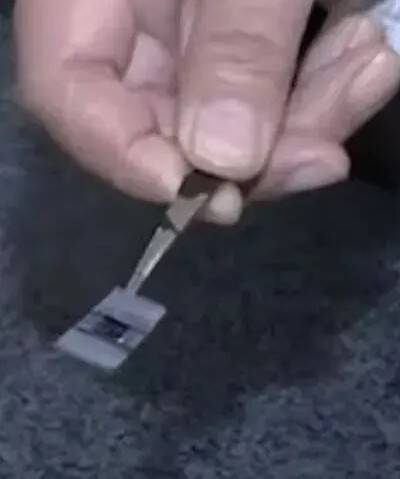
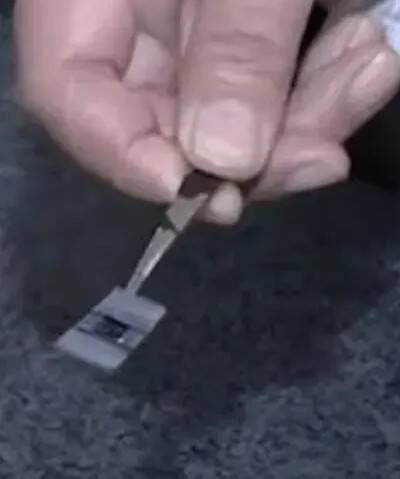
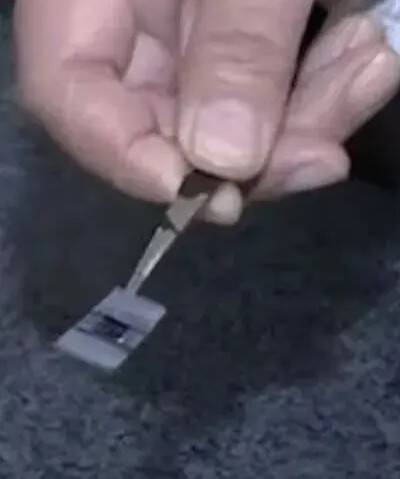
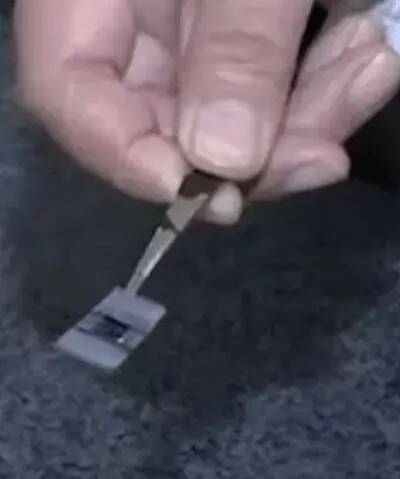
The Indian defense sector has taken a significant leap forward with the development of a Made-in-India biological chip designed to detect early cardiac risk markers in soldiers. This innovative chip has been created through a collaborative effort between Miranda House, a prestigious college for women in Delhi, and the Defense Research and Development Organization (DRDO). The BioFET-based sensor is designed to analyze blood serum and identify warning signs linked to heart attacks, enabling timely medical intervention for soldiers operating in extreme, high-stress conditions.
The development of this chip is a significant milestone in the Indian defense sector’s efforts to prioritize the health and well-being of its soldiers. The Indian military operates in some of the most challenging and high-stress environments in the world, including the Himalayas and the deserts of Rajasthan. The physical and mental demands of military service can take a significant toll on the health of soldiers, making them more susceptible to cardiovascular diseases.
According to the World Health Organization (WHO), cardiovascular diseases are one of the leading causes of death globally, accounting for over 17.9 million deaths per year. In India, the prevalence of cardiovascular diseases is particularly high, with over 25% of all deaths attributed to heart disease. The Indian military is not immune to this trend, with many soldiers succumbing to heart attacks and other cardiovascular-related illnesses.
The new chip developed by Miranda House and DRDO is designed to address this issue by providing an early warning system for heart attacks. The BioFET-based sensor uses a novel approach to analyze blood serum and identify biomarkers that are indicative of cardiac risk. The chip is designed to be compact, portable, and easy to use, making it an ideal solution for military personnel operating in remote and high-stress environments.
The prototype of the chip has been handed over to DRDO for further testing and field trials. The organization will conduct rigorous testing to validate the efficacy and accuracy of the chip, as well as its durability and reliability in various environmental conditions. Once the testing is complete, the chip is expected to be deployed in various military settings, including field hospitals, military bases, and border outposts.
The development of this chip is a testament to the innovative spirit of Indian researchers and scientists. The collaboration between Miranda House and DRDO is a shining example of how academia and industry can come together to address pressing national challenges. The project has also demonstrated the capabilities of Indian institutions to develop cutting-edge technologies that are on par with global standards.
The implications of this development are far-reaching and significant. The chip has the potential to save countless lives by providing early warning signs of heart attacks, enabling timely medical intervention and treatment. The technology can also be adapted for use in civilian settings, such as hospitals and clinics, where it can help diagnose cardiovascular diseases in patients.
Furthermore, the development of this chip is a significant step forward in India’s quest for self-reliance in defense technology. The Indian government has been actively promoting the development of indigenous defense technologies, with a focus on reducing dependence on foreign suppliers. The creation of this chip is a major milestone in this effort, demonstrating India’s capabilities to develop cutting-edge technologies that meet the needs of its military.
In conclusion, the development of the Made-in-India biological chip by Miranda House and DRDO is a significant achievement that has the potential to save countless lives. The chip’s ability to detect early cardiac risk markers in soldiers operating in high-stress environments is a major breakthrough, and its implications extend far beyond the military sector. As India continues to prioritize indigenous defense technologies, this development is a shining example of what can be achieved through collaboration and innovation.
About the Author