Miranda House, DRDO develop Indian chip to flag early heart attack risk in soldiers
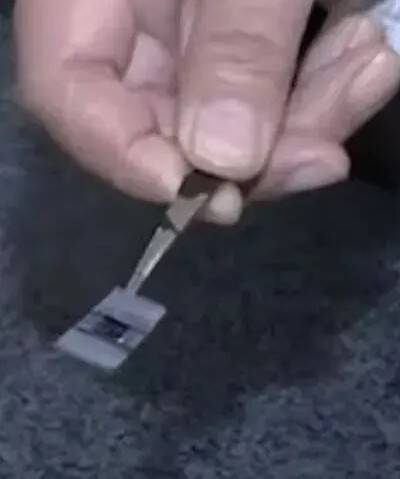
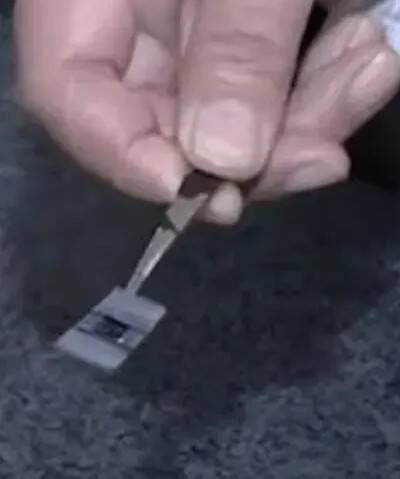
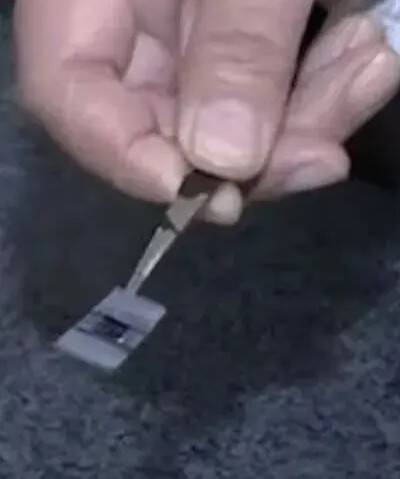
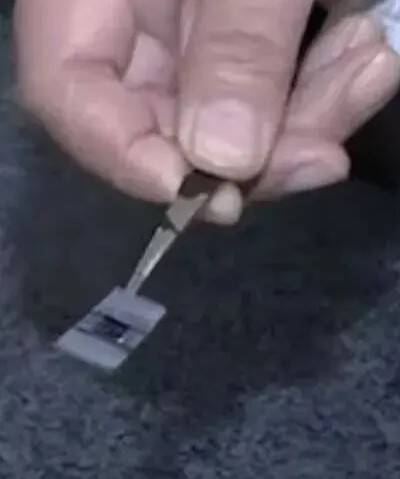
In a groundbreaking achievement, Miranda House, in collaboration with the Defence Research and Development Organisation (DRDO), has successfully developed a Made-in-India biological chip designed to detect early cardiac risk markers. This innovative BioFET-based sensor has the potential to revolutionize the way heart health is monitored, particularly among soldiers operating in extreme, high-stress conditions. The prototype has been handed over to DRDO for further testing and field trials, marking a significant milestone in the development of indigenous medical technology.
The biological chip, which analyzes blood serum to identify warning signs linked to heart attacks, is a crucial step towards enabling timely medical intervention for soldiers. The high-stress nature of military operations, combined with the harsh environmental conditions that soldiers often face, makes them more susceptible to cardiovascular problems. Early detection of cardiac risk markers can mean the difference between life and death, and this chip has the potential to save countless lives.
The collaboration between Miranda House and DRDO is a testament to the power of interdisciplinary research and development. By bringing together experts from various fields, including biology, electronics, and materials science, the team was able to design and develop a chip that is not only highly sensitive but also compact and portable. The BioFET-based sensor uses a novel approach to detect biomarkers in blood serum, which are indicative of cardiac risk.
The development of this chip is a significant achievement for India, as it marks a major step towards self-sufficiency in medical technology. The country has long relied on imported medical devices, which can be expensive and often ill-suited to local needs. The Made-in-India biological chip, on the other hand, is designed specifically with Indian soldiers in mind, taking into account the unique challenges they face.
The implications of this technology extend far beyond the military, however. The chip has the potential to be used in a variety of settings, from hospitals and clinics to remote health centers and even in-home care. By enabling early detection of cardiac risk markers, the chip can help prevent heart attacks and save lives, regardless of whether the patient is a soldier or a civilian.
The handover of the prototype to DRDO for further testing and field trials is a crucial step towards deploying this technology in the field. The organization will conduct rigorous testing to validate the chip’s performance and accuracy, as well as to identify any areas for improvement. Once the chip has been thoroughly tested and validated, it is expected to be deployed in military hospitals and health centers, where it can begin to make a real difference in the lives of soldiers.
The development of the Made-in-India biological chip is a shining example of what can be achieved through collaboration and innovation. By bringing together experts from academia, industry, and government, India can develop cutting-edge technologies that address its unique challenges and needs. As the country continues to push the boundaries of medical technology, we can expect to see even more exciting developments in the years to come.
In conclusion, the development of the Indian chip to flag early heart attack risk in soldiers is a significant achievement that has the potential to save countless lives. The collaboration between Miranda House and DRDO is a testament to the power of interdisciplinary research and development, and the chip’s potential to be used in a variety of settings makes it a game-changer for medical technology in India. As we look to the future, it is exciting to think about the possibilities that this technology holds, and the impact it can have on the lives of soldiers and civilians alike.
About the Author