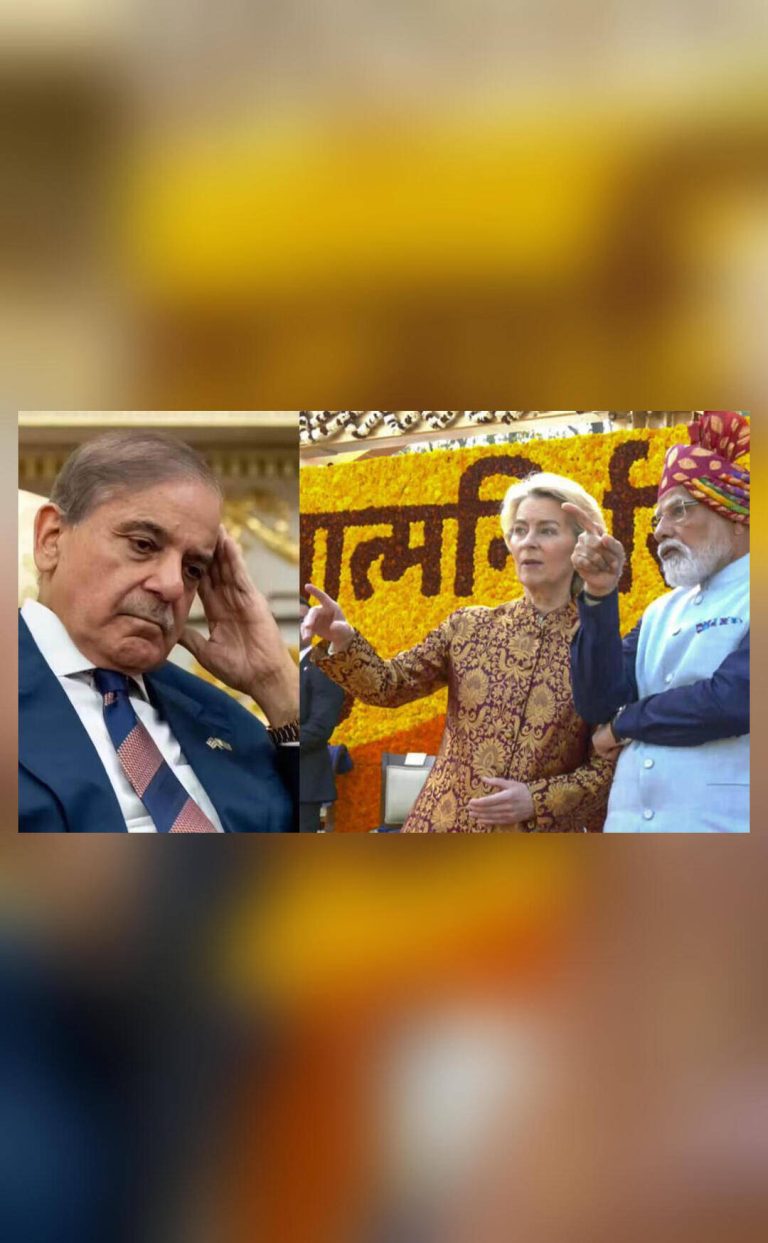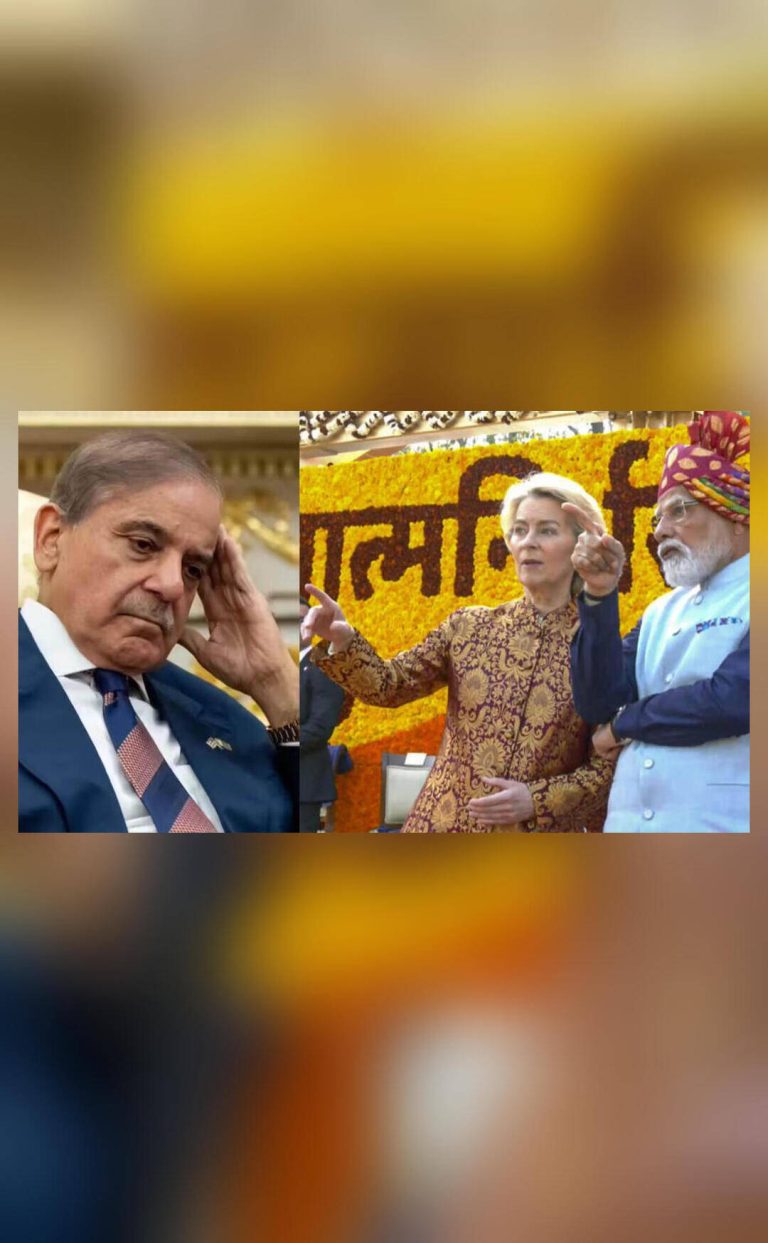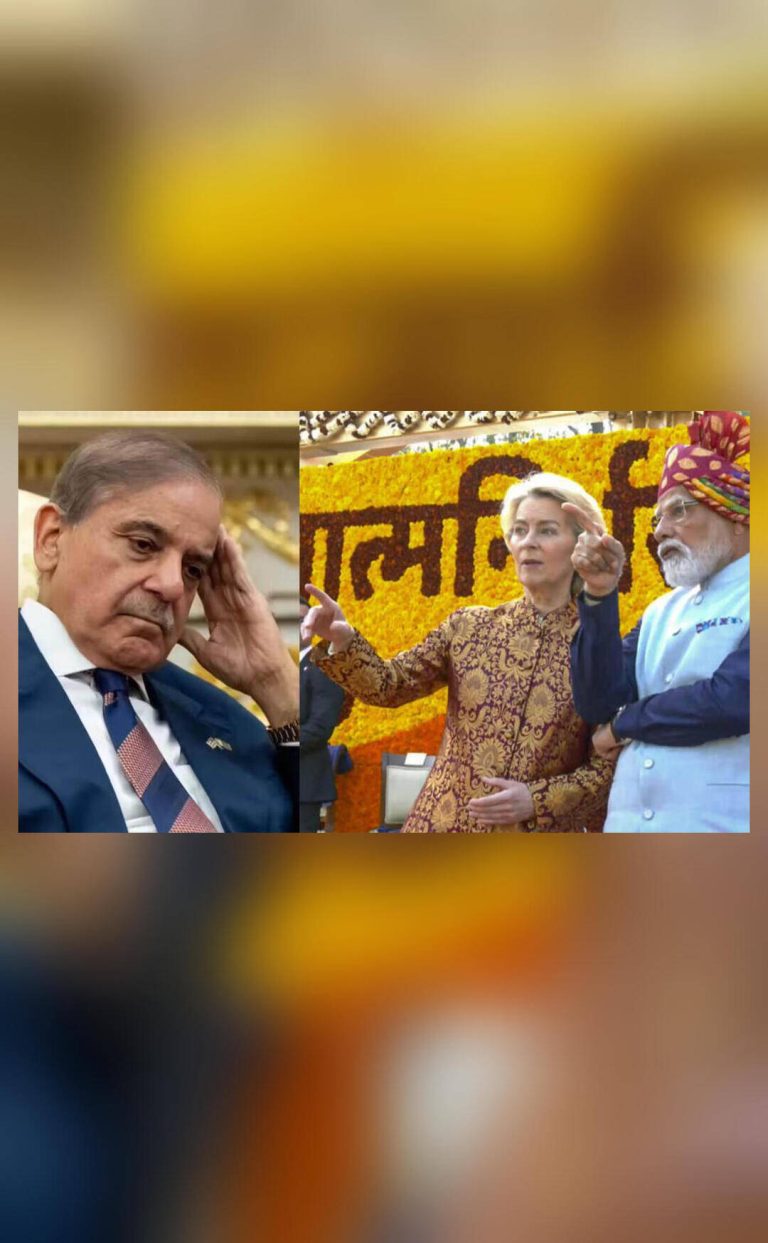
Pakistan releases statement after India and EU announce ‘mother of all trade deals’
In a recent development, India and the European Union (EU) have announced a landmark trade deal, dubbed the “mother of all trade deals”. This significant agreement is expected to boost trade relations between the two economies, with far-reaching implications for global trade. Commenting on this development, Pakistan has released a statement, highlighting its existing friendly relations with the EU and the benefits of the EU’s Generalized System of Preferences (GSP+) scheme for Pakistan.
According to Pakistan, “We are aware of this agreement. We have seen reports and as well as the content.” This statement suggests that Pakistan is closely monitoring the situation and is aware of the potential implications of the India-EU trade deal on its own trade relations with the EU. Pakistan maintains long-standing friendly relations with the EU, and the two sides have a significant trade relationship. The EU GSP+ scheme for Pakistan has proven to be a win-win for bilateral cooperation, with the total volume of trade between the two sides standing at €12 billion.
The EU’s GSP+ scheme provides preferential access to the EU market for certain countries, including Pakistan, that meet specific criteria related to human rights, labor standards, and environmental protection. This scheme has been instrumental in promoting Pakistan’s exports to the EU, with the country benefiting from reduced tariffs on a range of products, including textiles, leather goods, and agricultural products. The GSP+ scheme has not only increased Pakistan’s exports to the EU but has also helped to diversify the country’s export base, reducing its dependence on traditional markets.
However, with the announcement of the India-EU trade deal, Pakistan is concerned about the potential loss of its tariff edge in the EU market. The India-EU trade deal is expected to provide Indian exporters with preferential access to the EU market, potentially undermining Pakistan’s competitive advantage. Pakistan is, therefore, engaging with the EU to safeguard its exports and ensure that its trade relations with the EU are not adversely affected by the new trade deal.
Pakistan’s concerns are not unfounded, as the India-EU trade deal is expected to have significant implications for the global trade landscape. The deal is expected to increase trade between India and the EU, with the two sides aiming to increase bilateral trade to €200 billion by 2025. This increase in trade is expected to be driven by a range of factors, including the reduction of tariffs and non-tariff barriers, as well as the promotion of investment and trade facilitation.
The India-EU trade deal is also expected to have significant implications for other countries, including Pakistan. The deal is expected to create new opportunities for Indian exporters, potentially at the expense of exporters from other countries. Pakistan, in particular, is concerned about the potential impact of the deal on its textile exports, which are a significant component of the country’s export base. The textile industry is a critical sector of the Pakistani economy, employing millions of people and generating significant revenue for the government.
To mitigate the potential impact of the India-EU trade deal, Pakistan is engaging with the EU to safeguard its exports. Pakistan is seeking to negotiate a similar trade deal with the EU, which would provide its exporters with preferential access to the EU market. Pakistan is also seeking to diversify its export base, reducing its dependence on traditional markets and promoting trade with other countries.
In conclusion, the announcement of the India-EU trade deal has significant implications for Pakistan, which is concerned about the potential loss of its tariff edge in the EU market. Pakistan is engaging with the EU to safeguard its exports and ensure that its trade relations with the EU are not adversely affected by the new trade deal. The EU’s GSP+ scheme has been instrumental in promoting Pakistan’s exports to the EU, and the country is seeking to negotiate a similar trade deal with the EU to maintain its competitive advantage.
As the global trade landscape continues to evolve, it is essential for countries like Pakistan to be proactive in promoting their trade interests. The India-EU trade deal is a significant development, and Pakistan must navigate this new landscape to ensure that its trade relations with the EU are not adversely affected. By engaging with the EU and seeking to negotiate a similar trade deal, Pakistan can promote its exports and maintain its competitive advantage in the global market.
About the Author