Miranda House, DRDO develop Indian chip to flag early heart attack risk in soldiers
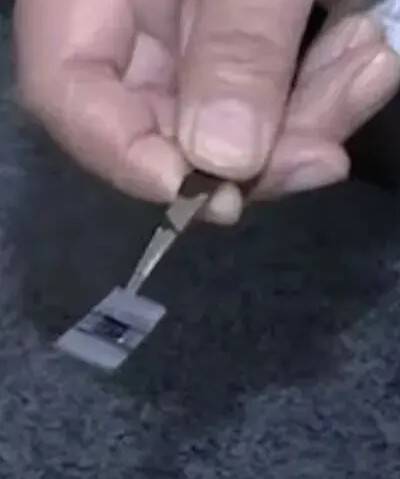
In a groundbreaking development, Miranda House, a premier women’s college in Delhi, has collaborated with the Defence Research and Development Organisation (DRDO) to create a revolutionary, Made-in-India biological chip. This innovative chip is designed to detect early cardiac risk markers, enabling timely medical intervention for soldiers operating in extreme, high-stress conditions. The chip, which has been developed using cutting-edge BioFET (Biosensor Field-Effect Transistor) technology, analyses blood serum to identify warning signs linked to heart attacks.
The development of this indigenous chip is a significant milestone in the field of medical technology, and it highlights the potential of collaborative research between academic institutions and government organizations. The prototype of the chip has been handed over to DRDO for further testing and field trials, marking an important step towards its potential deployment in the field.
The chip’s ability to detect early cardiac risk markers is particularly significant for soldiers, who often operate in high-stress environments that can take a toll on their cardiovascular health. By identifying warning signs linked to heart attacks, the chip can enable timely medical intervention, potentially saving lives and reducing the risk of cardiovascular complications. The chip’s development is also a testament to India’s growing capabilities in the field of medical technology and its commitment to developing innovative solutions to address the healthcare needs of its citizens.
The BioFET-based sensor used in the chip is a highly sensitive and accurate technology that can detect even minor changes in blood serum. This allows the chip to identify early warning signs of heart attacks, such as changes in cardiac biomarkers, and alert medical personnel to take prompt action. The chip’s ability to analyse blood serum also makes it a non-invasive and relatively simple procedure, reducing the risk of complications and making it easier to deploy in the field.
The collaboration between Miranda House and DRDO is a shining example of the potential of interdisciplinary research and development. By bringing together experts from academia and government, the project has been able to leverage the strengths of both partners, resulting in a innovative solution that has the potential to make a significant impact on the health and well-being of soldiers.
The development of the chip is also a significant step towards India’s goal of becoming self-sufficient in the field of medical technology. By developing indigenous solutions, India can reduce its dependence on foreign technology and create a more sustainable and reliable healthcare system. The chip’s development is also a testament to the country’s growing capabilities in the field of biotechnology and its potential to become a major player in the global medical technology market.
The handover of the prototype to DRDO marks an important step towards the chip’s potential deployment in the field. The organization will conduct further testing and field trials to validate the chip’s performance and accuracy, and to identify any areas for improvement. Once the chip is fully tested and validated, it is expected to be deployed in various military settings, where it can help to identify early warning signs of heart attacks and enable timely medical intervention.
In conclusion, the development of the Made-in-India biological chip by Miranda House and DRDO is a significant achievement that has the potential to make a major impact on the health and well-being of soldiers. The chip’s ability to detect early cardiac risk markers and identify warning signs linked to heart attacks can help to save lives and reduce the risk of cardiovascular complications. The collaboration between Miranda House and DRDO is a shining example of the potential of interdisciplinary research and development, and it highlights the importance of developing innovative solutions to address the healthcare needs of India’s citizens.
The development of the chip is also a significant step towards India’s goal of becoming self-sufficient in the field of medical technology. By developing indigenous solutions, India can reduce its dependence on foreign technology and create a more sustainable and reliable healthcare system. As the country continues to grow and develop, it is likely that we will see more innovative solutions like this chip, which will help to improve the health and well-being of Indians and make the country a major player in the global medical technology market.
About the Author