Miranda House, DRDO develop Indian chip to flag early heart attack risk in soldiers
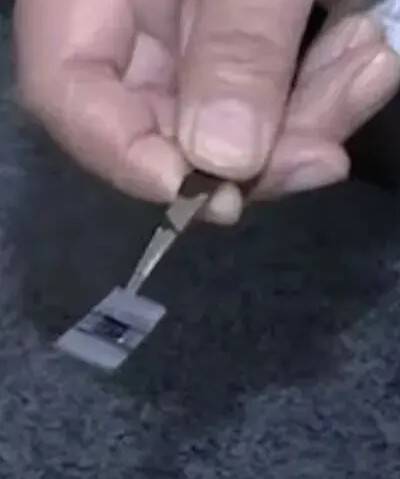
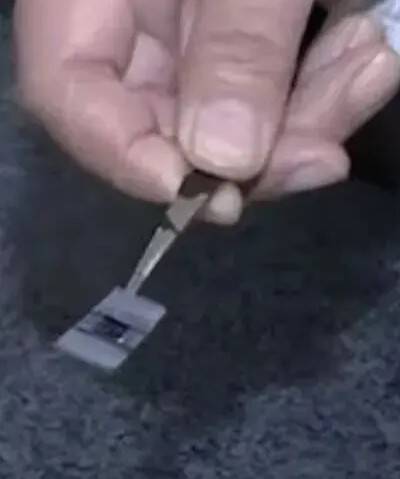
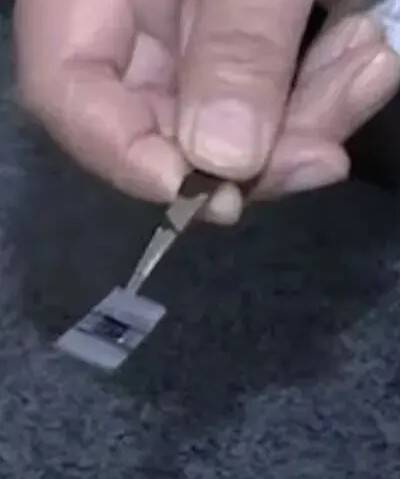
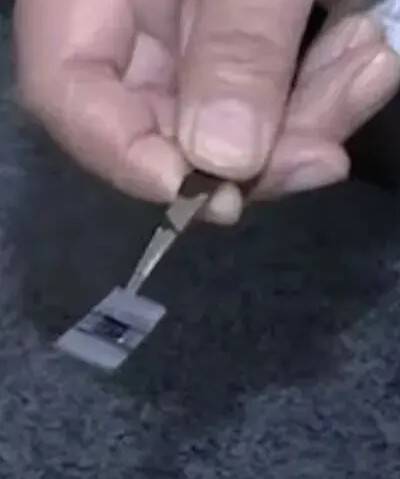
The Indian defense sector has witnessed a significant breakthrough in the field of medical technology, courtesy of a collaborative effort between Miranda House, a premier women’s college in Delhi, and the Defense Research and Development Organization (DRDO). The two entities have jointly developed a Made-in-India biological chip, designed to detect early cardiac risk markers in soldiers operating in extreme, high-stress conditions. This innovative BioFET-based sensor analyzes blood serum to identify warning signs linked to heart attacks, enabling timely medical intervention and potentially saving countless lives.
The development of this indigenous chip is a testament to the country’s growing capabilities in the field of medical technology and its commitment to ensuring the well-being of its soldiers. The prototype of the chip has been handed over to DRDO for further testing and field trials, marking a significant milestone in the project. The successful implementation of this technology could revolutionize the way cardiac health is monitored and managed in the defense sector, particularly in high-risk environments.
The Need for Early Detection
Heart attacks are a leading cause of death worldwide, and the risk is significantly higher for individuals operating in extreme conditions, such as high-altitude terrains, desert environments, or combat zones. Soldiers often face immense physical and mental stress, which can take a toll on their cardiovascular health. The early detection of cardiac risk markers is crucial in preventing heart attacks and ensuring timely medical intervention. However, traditional methods of monitoring cardiac health can be time-consuming, invasive, and often require sophisticated equipment.
The BioFET-based sensor developed by Miranda House and DRDO addresses these challenges by providing a rapid, non-invasive, and cost-effective solution for detecting early cardiac risk markers. The chip analyzes blood serum to identify specific biomarkers associated with an increased risk of heart attacks. This enables medical professionals to take proactive measures, such as modifying the soldier’s diet, exercise routine, or medication, to mitigate the risk of a cardiac event.
The Technology Behind the Chip
The BioFET-based sensor uses a field-effect transistor (FET) to detect changes in the electrical properties of the blood serum. This technology is highly sensitive and can detect even minor changes in the biomarker levels, making it an effective tool for early detection. The chip is designed to be user-friendly, requiring only a small blood sample to analyze the biomarkers. The results are then displayed on a digital platform, providing medical professionals with real-time data to make informed decisions.
The development of this chip is a significant achievement, considering the complexity of the technology involved. The collaboration between Miranda House and DRDO has brought together experts from various fields, including biology, physics, and engineering, to create a innovative solution that addresses a critical need in the defense sector.
Implications and Future Prospects
The successful development of the BioFET-based sensor has far-reaching implications for the defense sector and beyond. The technology has the potential to be adapted for use in various fields, such as sports medicine, where athletes often face similar physical and mental stresses. The chip could also be used in remote or resource-constrained areas, where access to advanced medical facilities is limited.
The handover of the prototype to DRDO marks the beginning of a new phase in the project, with further testing and field trials scheduled to take place in the coming months. The results of these trials will be crucial in validating the effectiveness of the chip and paving the way for its widespread adoption.
In conclusion, the development of the Made-in-India biological chip by Miranda House and DRDO is a significant achievement that highlights the country’s growing capabilities in the field of medical technology. The BioFET-based sensor has the potential to revolutionize the way cardiac health is monitored and managed in the defense sector, and its implications extend far beyond the military. As the project moves forward, it will be exciting to see the impact of this innovative technology on the lives of soldiers and civilians alike.
About the Author