Miranda House, DRDO develop Indian chip to flag early heart attack risk in soldiers
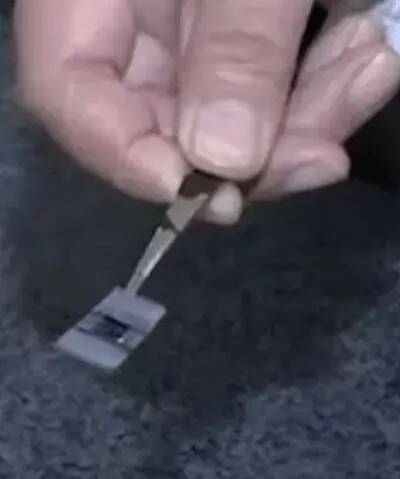
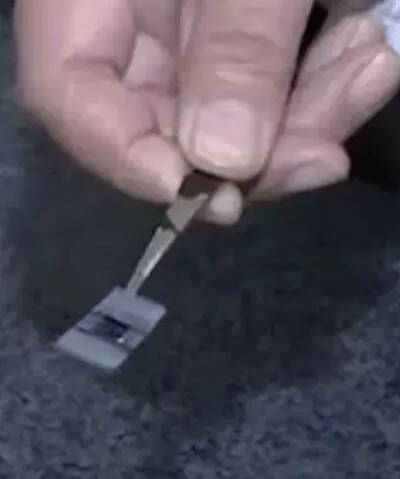
In a significant breakthrough, Miranda House, in collaboration with the Defence Research and Development Organisation (DRDO), has developed a Made-in-India biological chip to detect early cardiac risk markers. This innovative chip, based on BioFET (Biosensor Field-Effect Transistor) technology, analyses blood serum to identify warning signs linked to heart attacks, enabling timely medical intervention for soldiers operating in extreme, high-stress conditions.
The development of this indigenous chip is a crucial milestone in the country’s quest to enhance the health and well-being of its armed forces. Soldiers often face immense physical and mental stress, which can increase their risk of cardiovascular diseases. Early detection of cardiac risk markers is essential to prevent heart attacks and ensure the timely treatment of affected individuals. The BioFET-based sensor developed by Miranda House and DRDO has the potential to revolutionize the way cardiac health is monitored, particularly in high-risk professions like the military.
The prototype of the chip has been handed over to DRDO for further testing and field trials. This collaboration between Miranda House and DRDO is a testament to the power of interdisciplinary research and development. By combining the expertise of scientists, engineers, and medical professionals, the team has created a cutting-edge technology that can make a significant impact on the lives of soldiers and civilians alike.
The Science behind the Chip
The BioFET-based sensor uses a novel approach to detect cardiac biomarkers in blood serum. BioFETs are a type of biosensor that uses a field-effect transistor to detect changes in the electrical properties of a solution. In this case, the sensor is designed to detect specific biomarkers associated with cardiac risk, such as troponin and creatine kinase. These biomarkers are released into the bloodstream when the heart is under stress or damaged, making them ideal indicators of cardiac risk.
The chip is designed to be user-friendly and portable, allowing soldiers to undergo testing in the field or in remote areas. The sensor is also highly sensitive and can detect biomarkers at very low concentrations, making it an effective tool for early detection of cardiac risk.
Implications for Soldier Health
The development of this chip has significant implications for the health and well-being of soldiers. Cardiac diseases are a leading cause of morbidity and mortality among military personnel, particularly those serving in high-stress and high-altitude environments. Early detection of cardiac risk markers can help identify soldiers who are at risk of heart attacks, enabling timely medical intervention and preventing fatalities.
The chip can also be used to monitor the effectiveness of treatment and rehabilitation programs for soldiers with cardiac conditions. By tracking changes in biomarker levels, medical professionals can assess the progress of treatment and make adjustments as needed.
Future Prospects
The success of this project has paved the way for further research and development in the field of biosensors and cardiac health. The technology developed by Miranda House and DRDO has the potential to be adapted for use in other high-risk professions, such as aviation and mining. Additionally, the chip can be modified to detect biomarkers for other diseases, such as cancer and diabetes.
The collaboration between Miranda House and DRDO is a shining example of the power of public-private partnerships in driving innovation and technological advancement. By working together, scientists, engineers, and medical professionals can create cutting-edge technologies that address pressing national needs and improve the lives of citizens.
Conclusion
The development of the Made-in-India biological chip by Miranda House and DRDO is a significant achievement that has the potential to revolutionize the way cardiac health is monitored, particularly in high-risk professions like the military. The BioFET-based sensor is a testament to the power of interdisciplinary research and development, and its implications for soldier health are profound. As the technology undergoes further testing and field trials, it is likely to have a significant impact on the health and well-being of soldiers and civilians alike.
About the Author