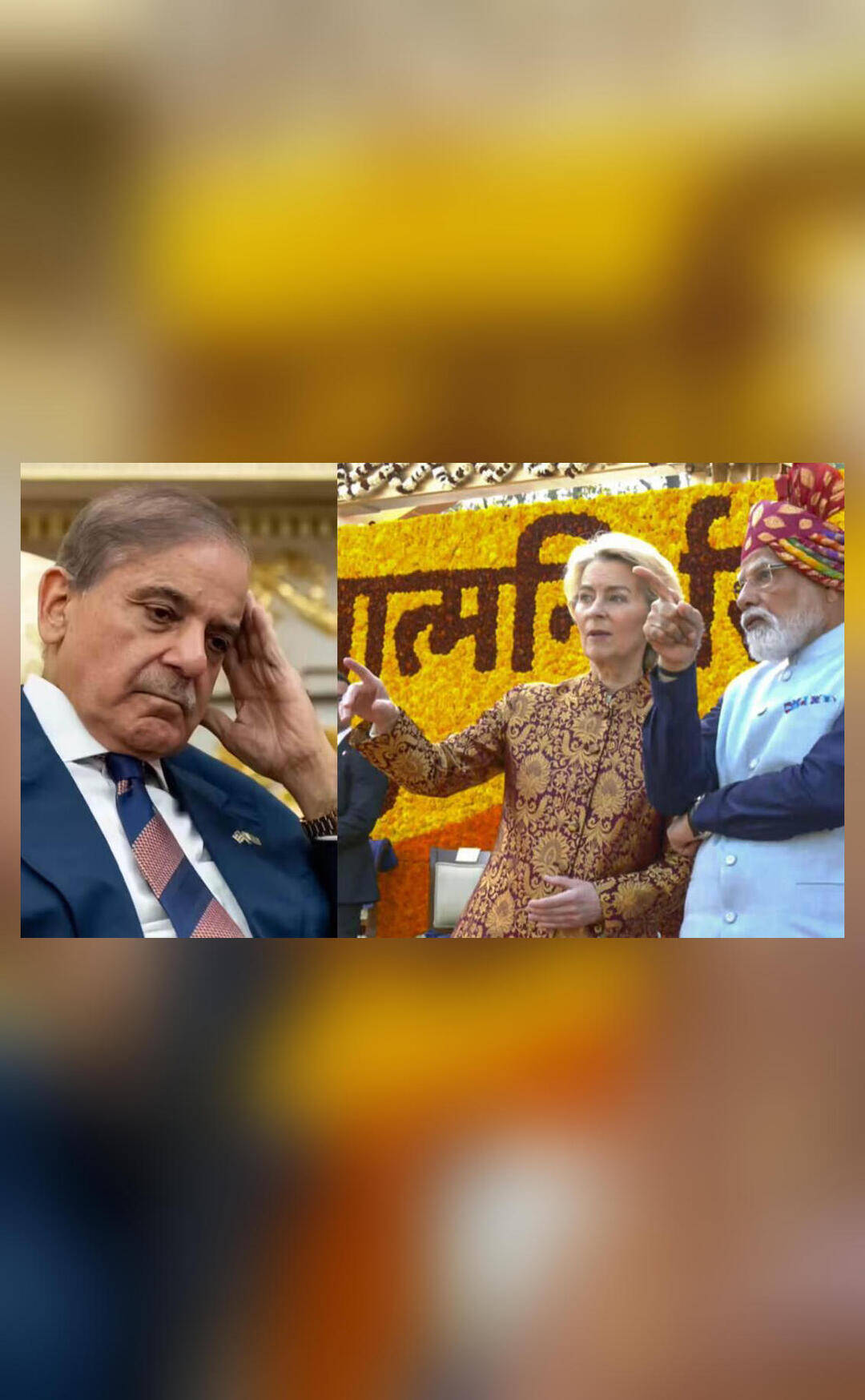
Pakistan releases statement after India and EU announce ‘mother of all trade deals’
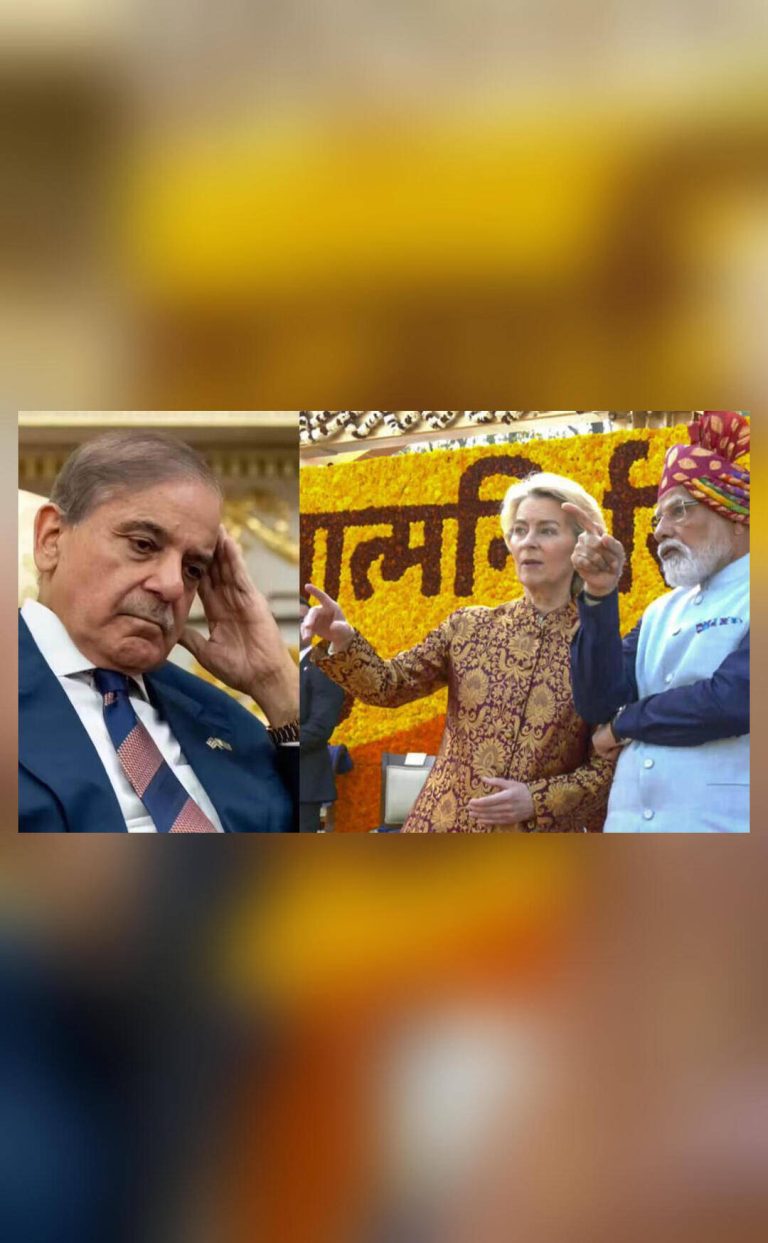
The recent announcement of a free trade agreement (FTA) between India and the European Union (EU) has sent ripples across the globe, with many countries taking notice of the potential implications of this massive trade deal. Pakistan, in particular, has been watching the developments closely, given its own trade relations with the EU. In a statement released recently, Pakistan commented on the India-EU FTA, saying, “We are aware of this agreement. We have seen reports and as well as the content.”
The statement from Pakistan comes as no surprise, given the country’s long-standing friendly relations with the EU. Pakistan has been a beneficiary of the EU’s Generalized System of Preferences (GSP) scheme, which provides preferential tariff treatment to certain countries. The GSP+ scheme, in particular, has been a boon for Pakistan, allowing it to increase its exports to the EU significantly. As Pakistan noted, “The EU GSP+ scheme for Pakistan has proven to be a win-win…for bilateral cooperation…The total volume between our two sides stands at €12 billion.”
The India-EU FTA, dubbed the “mother of all trade deals,” has the potential to significantly alter the trade landscape between India and the EU. The agreement is expected to increase trade between the two regions, with India likely to benefit from increased access to the EU market. However, the deal also raises concerns for other countries, including Pakistan, which may face increased competition in the EU market.
Pakistan’s concerns are not unfounded, given the potential impact of the India-EU FTA on its own exports to the EU. With the FTA in place, Indian exports to the EU are likely to increase, potentially at the expense of Pakistani exports. Pakistan’s statement suggests that the country is aware of these risks and is taking steps to safeguard its exports to the EU.
In recent months, Pakistan has been engaging with the EU to discuss ways to safeguard its exports and maintain its competitive edge in the EU market. The country has been seeking assurances from the EU that its GSP+ status will not be affected by the India-EU FTA. Pakistan’s efforts to engage with the EU are aimed at ensuring that its trade relations with the EU remain unaffected by the new FTA.
The India-EU FTA is a significant development in the world of trade, with far-reaching implications for countries around the globe. As Pakistan navigates the complexities of this new trade landscape, it is clear that the country is taking a proactive approach to protecting its interests. By engaging with the EU and seeking assurances on its GSP+ status, Pakistan is working to ensure that its trade relations with the EU remain strong and vibrant.
The EU, for its part, has been keen to reassure Pakistan that its GSP+ status will not be affected by the India-EU FTA. The EU has emphasized its commitment to maintaining good trade relations with Pakistan, and has noted that the GSP+ scheme is an important tool for promoting economic development and cooperation between the EU and Pakistan.
As the India-EU FTA comes into effect, it will be interesting to see how Pakistan’s trade relations with the EU evolve. The country’s efforts to safeguard its exports and maintain its competitive edge in the EU market will be crucial in determining the impact of the FTA on its economy. With its long-standing friendly relations with the EU and its commitment to promoting trade and cooperation, Pakistan is well-placed to navigate the challenges and opportunities presented by the India-EU FTA.
In conclusion, Pakistan’s statement on the India-EU FTA reflects the country’s awareness of the potential implications of this massive trade deal. By engaging with the EU and seeking assurances on its GSP+ status, Pakistan is working to protect its trade interests and maintain its competitive edge in the EU market. As the India-EU FTA comes into effect, it will be important to watch how Pakistan’s trade relations with the EU evolve, and how the country navigates the challenges and opportunities presented by this new trade landscape.
About the Author