Pakistan releases statement after India and EU announce ‘mother of all trade deals’
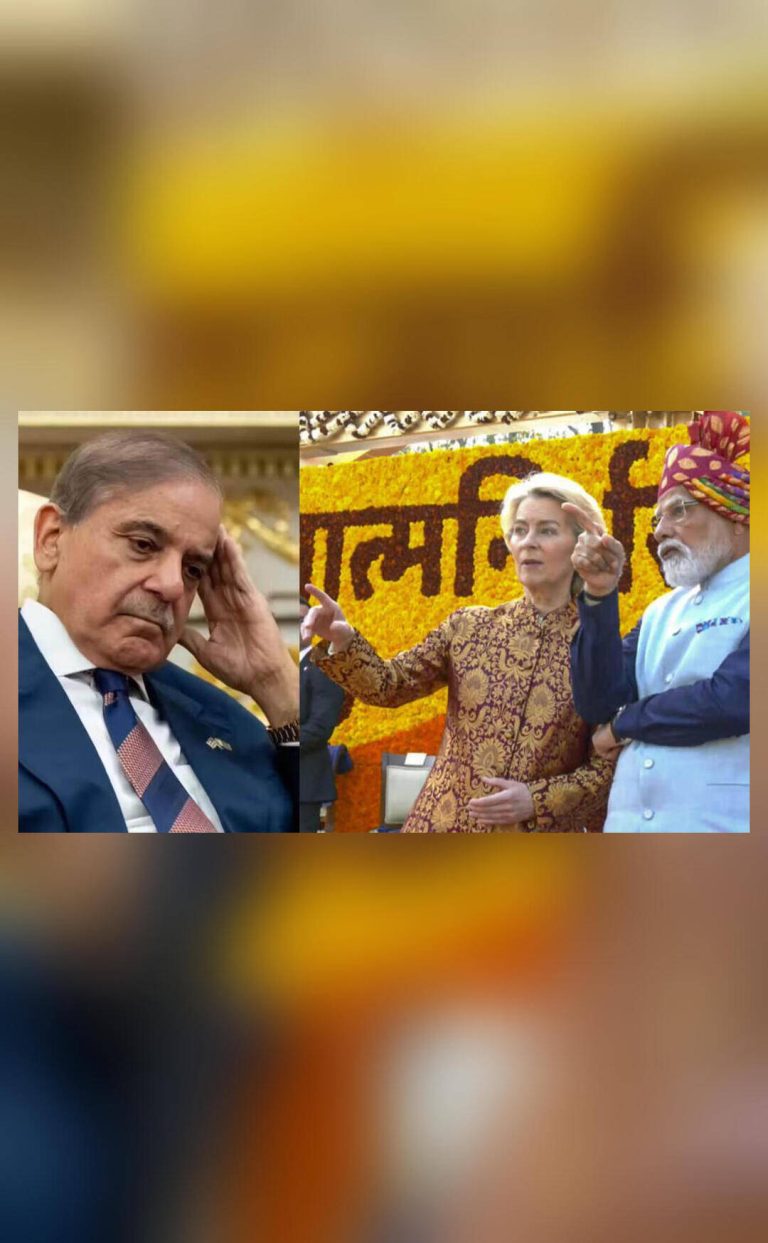
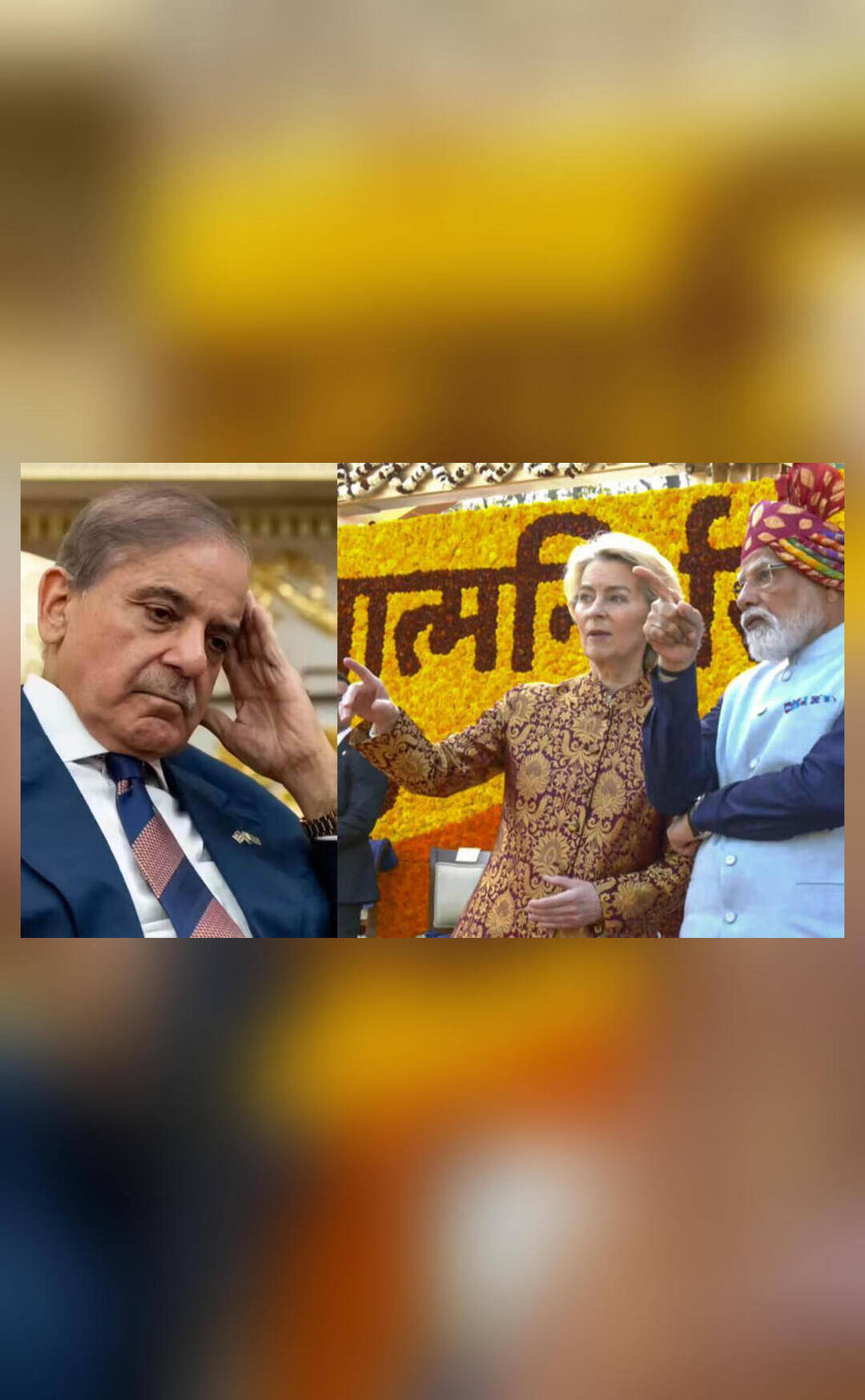
In a recent development, India and the European Union (EU) have announced a landmark free trade agreement, touted as the “mother of all trade deals”. This significant move has sent ripples across the global trade landscape, with neighboring countries taking notice. Pakistan, in particular, has been swift to respond to this announcement, releasing a statement to address concerns and reaffirm its own trade relations with the EU.
Commenting on India and EU’s “mother of all trade deals”, Pakistan said, “We are aware of this agreement. We have seen reports and as well as the content.” This statement acknowledges the development while also indicating that Pakistan is closely monitoring the situation. The country’s response is understandable, given the potential implications of this trade deal on its own exports to the EU.
Pakistan has long maintained friendly relations with the EU, which have been a cornerstone of its trade policy. The EU’s Generalized System of Preferences Plus (GSP+) scheme has been a significant boon for Pakistan, providing it with preferential access to the EU market. The scheme has proven to be a win-win for bilateral cooperation, with Pakistan’s exports to the EU increasing substantially since its inception. As noted by Pakistan, “The EU GSP+ scheme for Pakistan has proven to be a win-win…for bilateral cooperation…The total volume between our two sides stands at €12 billion.”
The GSP+ scheme has been instrumental in promoting Pakistan’s exports, particularly in the textile and manufacturing sectors. The country’s exporters have benefited significantly from the preferential tariffs and quotas offered by the EU, enabling them to increase their market share in Europe. However, with the India-EU free trade agreement, there are concerns that Pakistan’s exports may lose their competitive edge.
The India-EU trade deal is expected to provide Indian exporters with even greater access to the EU market, potentially at the expense of other countries, including Pakistan. The fear is that Indian exporters may undercut Pakistani exporters, given the more favorable terms of the free trade agreement. This could lead to a decline in Pakistan’s exports to the EU, ultimately affecting the country’s trade balance and economy.
In response to these concerns, Pakistan has engaged with the EU to safeguard its exports and ensure that its trade relations with the bloc remain unaffected. The country is seeking to negotiate new trade agreements or modify existing ones to maintain its competitive edge in the EU market. As reported, Pakistan has been in talks with the EU to explore options for enhancing its trade cooperation and mitigating the potential impact of the India-EU trade deal.
The Pakistan-EU trade dynamic is complex, with both sides having a significant stake in each other’s economies. The EU is one of Pakistan’s largest trading partners, and the country is keen to maintain and strengthen this relationship. At the same time, the EU is also seeking to expand its trade ties with other countries in the region, including India.
As the global trade landscape continues to evolve, countries like Pakistan must navigate these changes to protect their economic interests. The India-EU trade deal is a significant development, and Pakistan’s response is a testament to its commitment to maintaining its trade relations with the EU. By engaging with the EU and exploring new trade agreements, Pakistan aims to safeguard its exports and ensure that its economy remains competitive in the face of emerging challenges.
In conclusion, the India-EU free trade agreement has significant implications for Pakistan’s trade relations with the EU. While the country has released a statement acknowledging the development, it is clear that Pakistan is taking proactive steps to mitigate the potential impact of this trade deal. By reaffirming its friendly relations with the EU and exploring new trade agreements, Pakistan is seeking to protect its economic interests and maintain its competitive edge in the EU market.
About the Author