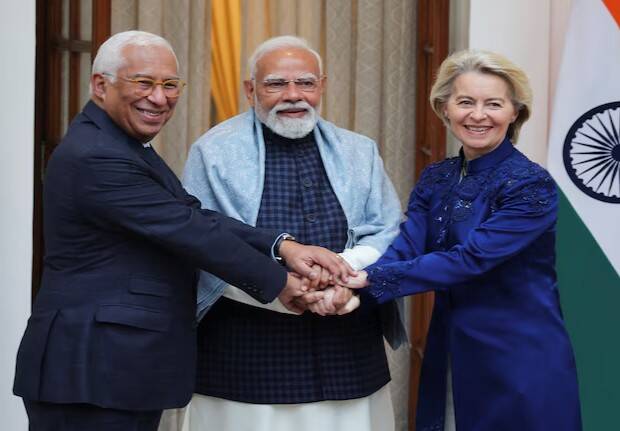
EU banks now allowed to open 15 branches in India under FTA
The Indian government has taken a significant step in strengthening its economic ties with the European Union (EU) by allowing EU banks to open up to 15 branches in the country over a period of four years. This development is a result of the new Free Trade Agreement (FTA) between India and the EU, which aims to promote bilateral trade and investment between the two regions. In return, India will not be subject to any numerical limits on opening branches in the EU, providing Indian banks with greater access to the European market.
The decision to allow EU banks to expand their presence in India is expected to have a positive impact on the country’s financial sector. With the entry of more foreign banks, Indian consumers can expect improved banking services, increased competition, and a wider range of financial products. Additionally, the influx of EU banks is likely to attract more foreign investment, create new job opportunities, and contribute to the growth of the Indian economy.
Currently, there are five EU banks operating in India, with a total of 33 branches. These banks have been present in the country for several years and have established a strong reputation for providing high-quality banking services. The new FTA will enable these banks to expand their operations, increase their customer base, and offer a more comprehensive range of financial products and services.
On the other hand, three Indian banks have established a presence in the EU, with branches in key cities such as London, Paris, and Frankfurt. These banks have been successful in catering to the financial needs of Indian businesses and individuals operating in the EU, as well as providing banking services to European companies looking to invest in India. With the new FTA, Indian banks will have the opportunity to expand their operations in the EU, increase their market share, and provide a more extensive range of financial services to their customers.
The FTA between India and the EU is a significant development that is expected to have far-reaching implications for both regions. The agreement is designed to promote trade, investment, and economic cooperation between India and the EU, and is expected to increase bilateral trade to $200 billion by 2025. The FTA will also provide Indian businesses with greater access to the European market, enabling them to export goods and services to the EU with greater ease.
The decision to allow EU banks to open up to 15 branches in India over four years is a key component of the FTA. This will enable EU banks to establish a stronger presence in the Indian market, increase their customer base, and provide a more comprehensive range of financial services. In return, India will not be subject to any numerical limits on opening branches in the EU, providing Indian banks with greater flexibility to expand their operations in the European market.
The expansion of EU banks in India is expected to have a positive impact on the country’s financial sector. With the entry of more foreign banks, Indian consumers can expect improved banking services, increased competition, and a wider range of financial products. Additionally, the influx of EU banks is likely to attract more foreign investment, create new job opportunities, and contribute to the growth of the Indian economy.
In conclusion, the decision to allow EU banks to open up to 15 branches in India over four years is a significant development that is expected to have a positive impact on the country’s financial sector. The new FTA between India and the EU is a key component of this development, and is expected to promote bilateral trade and investment between the two regions. With the expansion of EU banks in India, Indian consumers can expect improved banking services, increased competition, and a wider range of financial products.
About the Author