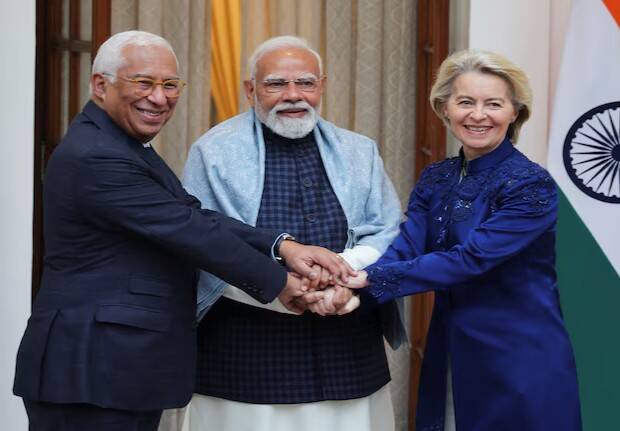
EU banks now allowed to open 15 branches in India under FTA
In a significant development, India has agreed to allow European Union (EU) banks to open up to 15 branches in the country over a period of four years, under the newly negotiated Free Trade Agreement (FTA). This move is expected to boost economic ties between India and the EU, and provide Indian consumers with greater access to a wider range of financial services.
As part of the agreement, India will not be subject to any numerical limits on opening branches in the EU. This means that Indian banks will be free to expand their operations in the EU without any restrictions, providing them with a significant opportunity to increase their global footprint.
Currently, the EU has five banks with 33 branches in India, while three Indian banks maintain branches in the EU. The new agreement is expected to lead to a significant increase in the number of EU banks operating in India, and will provide Indian consumers with a wider range of financial services to choose from.
The FTA between India and the EU is expected to have a significant impact on the Indian economy, and the agreement on banking services is a key part of this. By allowing EU banks to open more branches in India, the government is hoping to attract more foreign investment into the country, and to increase competition in the banking sector.
The agreement is also expected to lead to an increase in the number of jobs available in the banking sector, as EU banks expand their operations in India. This will provide a significant boost to the Indian economy, and will help to support the government’s efforts to increase economic growth and development.
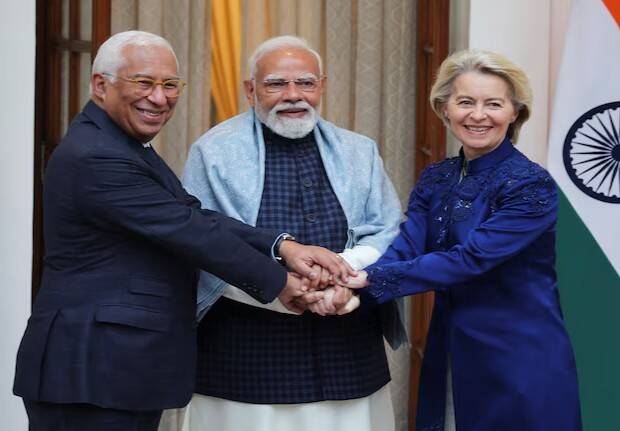
In addition to the benefits for the Indian economy, the agreement is also expected to have a positive impact on EU-India relations. The FTA is a key part of the EU’s efforts to increase its economic ties with India, and the agreement on banking services is a significant step forward in this process.
The EU has been one of India’s largest trading partners for many years, and the FTA is expected to further strengthen economic ties between the two. By providing EU banks with greater access to the Indian market, the agreement is expected to lead to an increase in trade and investment between the two, and will help to support the growth of the Indian economy.
The Indian government has been working to increase foreign investment in the country, and the agreement on banking services is a key part of this effort. By providing EU banks with greater access to the Indian market, the government is hoping to attract more foreign investment into the country, and to increase competition in the banking sector.
Overall, the agreement on banking services is a significant development in the FTA between India and the EU. By allowing EU banks to open up to 15 branches in India over four years, the government is hoping to attract more foreign investment into the country, and to increase competition in the banking sector. The agreement is expected to have a positive impact on the Indian economy, and will help to support the government’s efforts to increase economic growth and development.
In conclusion, the agreement on banking services is a key part of the FTA between India and the EU, and is expected to have a significant impact on the Indian economy. By providing EU banks with greater access to the Indian market, the government is hoping to attract more foreign investment into the country, and to increase competition in the banking sector. The agreement is a significant step forward in the development of EU-India economic ties, and is expected to lead to an increase in trade and investment between the two.
About the Author