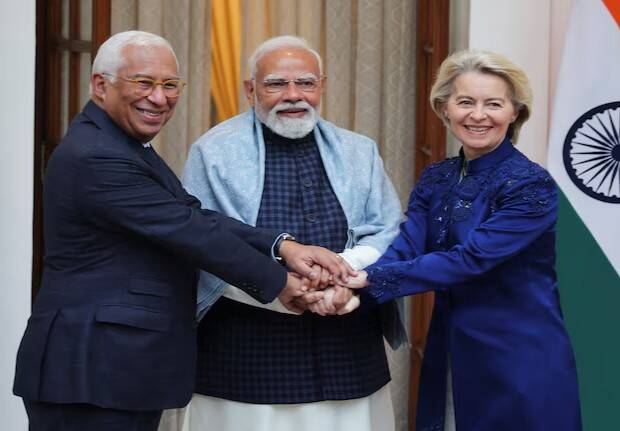
EU banks now allowed to open 15 branches in India under FTA
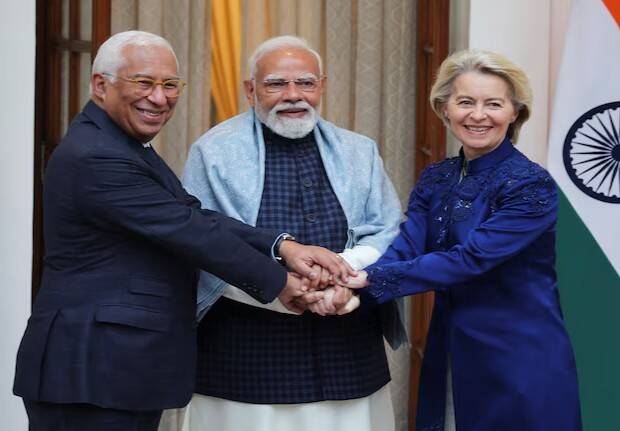
In a significant development, the Indian government has agreed to allow European Union (EU) banks to open up to 15 branches in the country over a period of four years, as part of the new Free Trade Agreement (FTA) between the two parties. This move is expected to deepen the economic ties between India and the EU, and provide a boost to the banking sector in both regions.
Under the terms of the agreement, EU banks will be permitted to establish a maximum of 15 branches in India over the next four years. In return, Indian banks will not be subject to any numerical limits on opening branches in the EU. This reciprocal arrangement is expected to promote greater cooperation and competition in the banking sector, and provide Indian banks with greater access to the European market.
Currently, there are five EU banks operating in India, with a total of 33 branches. These banks have been present in the country for several years and have established a significant presence in the Indian banking sector. On the other hand, three Indian banks maintain branches in the EU, providing banking services to Indian citizens and companies operating in the region.
The decision to allow EU banks to open more branches in India is expected to increase competition in the banking sector, and provide Indian consumers with a wider range of banking services and products. EU banks are known for their expertise in areas such as corporate banking, trade finance, and investment banking, and their presence in India is expected to bring new skills and knowledge to the Indian banking sector.
The FTA between India and the EU is a comprehensive agreement that covers a wide range of areas, including trade in goods and services, investment, and economic cooperation. The agreement is expected to promote greater economic integration between the two regions, and provide a boost to trade and investment flows.
The banking sector is a critical component of the FTA, and the decision to allow EU banks to open more branches in India is a significant development in this regard. The Indian government has been seeking to promote greater foreign investment in the banking sector, and the FTA is expected to provide a major boost to these efforts.
In recent years, the Indian government has taken several steps to liberalize the banking sector and promote greater foreign investment. These measures have included the relaxation of ownership norms, the introduction of new banking licenses, and the establishment of a framework for the operation of foreign banks in India.
The FTA with the EU is a significant development in this regard, and is expected to provide a major boost to the Indian banking sector. The agreement is expected to promote greater competition and cooperation in the banking sector, and provide Indian consumers with a wider range of banking services and products.
The decision to allow EU banks to open more branches in India is also expected to promote greater economic integration between the two regions. The EU is one of India’s largest trading partners, and the FTA is expected to promote greater trade and investment flows between the two regions.
In conclusion, the decision to allow EU banks to open up to 15 branches in India over four years is a significant development in the Indian banking sector. The move is expected to promote greater competition and cooperation in the banking sector, and provide Indian consumers with a wider range of banking services and products. The FTA between India and the EU is a comprehensive agreement that covers a wide range of areas, and is expected to promote greater economic integration between the two regions.
About the Author