EU banks now allowed to open 15 branches in India under FTA
The banking sector in India is on the cusp of a significant transformation, thanks to the new Free Trade Agreement (FTA) between India and the European Union. As part of this agreement, EU banks have been granted permission to open up to 15 branches in India over a period of four years. This move is expected to increase the presence of European banks in the country, providing Indian customers with a wider range of financial services and products.
In return, India has negotiated a favorable deal, which exempts it from any numerical limits on opening branches in the EU. Currently, there are five EU banks with 33 branches in India, while three Indian banks maintain branches in the EU. The new agreement is expected to boost the growth of Indian banks in the EU, as they will no longer be restricted by numerical limits.
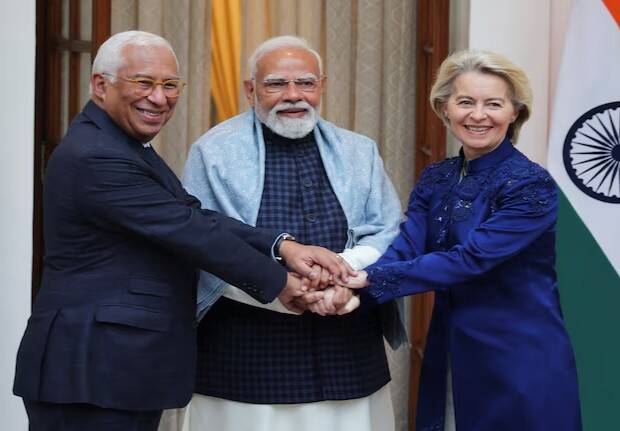
The FTA between India and the EU is a comprehensive agreement that aims to promote trade and investment between the two regions. The agreement covers a wide range of sectors, including banking, finance, and insurance. By allowing EU banks to open more branches in India, the government aims to increase foreign investment in the country, improve the quality of financial services, and promote economic growth.
The decision to allow EU banks to open up to 15 branches in India is a significant one, as it will increase competition in the banking sector. Indian banks will have to upgrade their services and products to compete with their European counterparts, which will ultimately benefit the customers. Moreover, the increased presence of EU banks in India will also lead to the creation of new jobs and business opportunities.
The agreement is also expected to facilitate the growth of Indian businesses in the EU. With the removal of numerical limits on opening branches, Indian banks will be able to expand their operations in the EU, providing financial services to Indian companies and individuals operating in the region. This will help to promote trade and investment between India and the EU, and will contribute to the growth of the Indian economy.
The FTA between India and the EU is a landmark agreement that has the potential to transform the economic landscape of both regions. By allowing EU banks to open up to 15 branches in India, the government has taken a significant step towards promoting foreign investment and increasing competition in the banking sector. As the agreement is implemented, it will be interesting to see how Indian banks respond to the increased competition, and how the growth of EU banks in India contributes to the development of the country’s financial sector.
The new agreement is also expected to lead to an increase in foreign investment in India, as EU banks will be able to provide a wider range of financial services to Indian customers. This will help to promote economic growth, create new jobs, and increase the country’s competitiveness in the global market. Moreover, the agreement will also facilitate the growth of Indian businesses in the EU, as they will be able to access a wider range of financial services and products.
In conclusion, the decision to allow EU banks to open up to 15 branches in India under the FTA is a significant one, with far-reaching implications for the banking sector and the economy as a whole. As the agreement is implemented, it will be interesting to see how Indian banks respond to the increased competition, and how the growth of EU banks in India contributes to the development of the country’s financial sector.
The FTA between India and the EU is a comprehensive agreement that covers a wide range of sectors, including banking, finance, and insurance. By allowing EU banks to open more branches in India, the government aims to increase foreign investment in the country, improve the quality of financial services, and promote economic growth. The agreement is expected to lead to an increase in foreign investment, create new jobs, and increase the country’s competitiveness in the global market.
As the Indian economy continues to grow and develop, the banking sector will play a critical role in providing financial services and products to customers. The increased presence of EU banks in India will help to promote competition, improve the quality of services, and provide customers with a wider range of options. Moreover, the agreement will also facilitate the growth of Indian businesses in the EU, as they will be able to access a wider range of financial services and products.
In the coming years, it will be interesting to see how the FTA between India and the EU contributes to the growth and development of the banking sector in India. As the agreement is implemented, it is expected to lead to an increase in foreign investment, create new jobs, and increase the country’s competitiveness in the global market. The decision to allow EU banks to open up to 15 branches in India is a significant one, and it will be interesting to see how Indian banks respond to the increased competition.
Overall, the FTA between India and the EU is a landmark agreement that has the potential to transform the economic landscape of both regions. By allowing EU banks to open up to 15 branches in India, the government has taken a significant step towards promoting foreign investment and increasing competition in the banking sector. As the agreement is implemented, it will be interesting to see how Indian banks respond to the increased competition, and how the growth of EU banks in India contributes to the development of the country’s financial sector.
About the Author