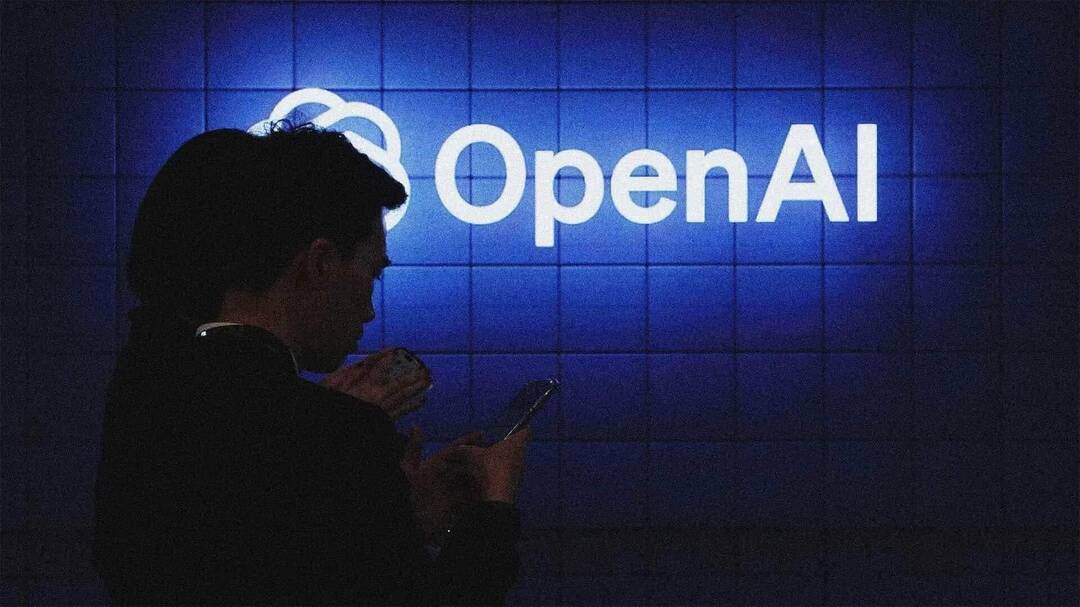
Amazon, NVIDIA, Microsoft may invest $60 billion in OpenAI: Report
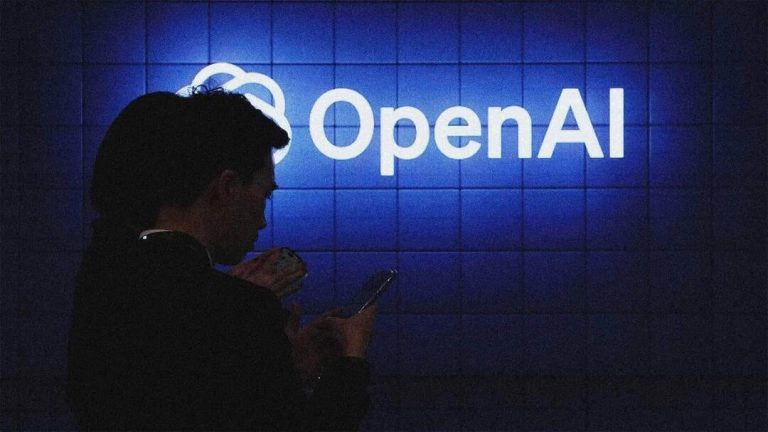
The artificial intelligence (AI) landscape is about to witness a significant shift, with tech giants Amazon, NVIDIA, and Microsoft reportedly in talks to invest a staggering $60 billion in OpenAI, the company behind the revolutionary ChatGPT. According to a report by The Information, existing investors NVIDIA and Microsoft could invest around $30 billion and $10 billion, respectively, while Amazon could potentially invest $10-20 billion. This massive investment is expected to further accelerate the development and deployment of AI technologies, changing the way businesses and individuals interact with machines.
The reported investment comes on the heels of SoftBank’s plans to invest $30 billion in OpenAI, as claimed by earlier reports. This would not only solidify OpenAI’s position as a leader in the AI space but also provide the company with the necessary resources to expand its capabilities and explore new applications for its technology. With the backing of these tech giants, OpenAI is poised to revolutionize industries such as customer service, healthcare, and education, among others.
The potential investment by Amazon, NVIDIA, and Microsoft is a testament to the growing importance of AI in the tech industry. As companies increasingly look to leverage AI to improve their operations, products, and services, the demand for cutting-edge AI technologies is on the rise. OpenAI, with its innovative approach to AI development, is well-positioned to capitalize on this trend and become a major player in the AI ecosystem.
NVIDIA, a leading manufacturer of graphics processing units (GPUs), has been a long-time supporter of OpenAI, providing the company with the necessary computing power to develop and train its AI models. The potential investment of $30 billion would not only deepen NVIDIA’s involvement with OpenAI but also provide the company with a significant stake in the AI firm. This would enable NVIDIA to further integrate its GPUs with OpenAI’s AI technologies, creating a powerful platform for AI development and deployment.
Microsoft, another existing investor in OpenAI, is also expected to increase its investment in the company. With a potential investment of $10 billion, Microsoft would be able to further leverage OpenAI’s AI capabilities to enhance its own products and services, such as its Azure cloud computing platform and Office software suite. This would enable Microsoft to provide its customers with more advanced AI-powered tools and capabilities, increasing its competitiveness in the market.
Amazon, the e-commerce giant, is also reportedly in talks to invest $10-20 billion in OpenAI. This would mark a significant foray into the AI space for Amazon, which has been investing heavily in AI research and development in recent years. With a stake in OpenAI, Amazon would be able to integrate the company’s AI technologies into its own operations, such as its customer service chatbots and product recommendation algorithms. This would enable Amazon to provide its customers with more personalized and efficient experiences, further solidifying its position as a leader in the e-commerce space.
The reported investment in OpenAI is expected to have far-reaching implications for the tech industry as a whole. As AI becomes increasingly ubiquitous, companies will need to adapt and evolve to remain competitive. The investment by Amazon, NVIDIA, and Microsoft would provide OpenAI with the necessary resources to develop and deploy more advanced AI technologies, which would, in turn, drive innovation and growth across the industry.
In conclusion, the potential investment of $60 billion in OpenAI by Amazon, NVIDIA, and Microsoft is a significant development in the AI space. With the backing of these tech giants, OpenAI is poised to revolutionize the way businesses and individuals interact with machines, driving innovation and growth across the industry. As the AI landscape continues to evolve, it will be exciting to see how OpenAI and its investors work together to shape the future of artificial intelligence.
About the Author