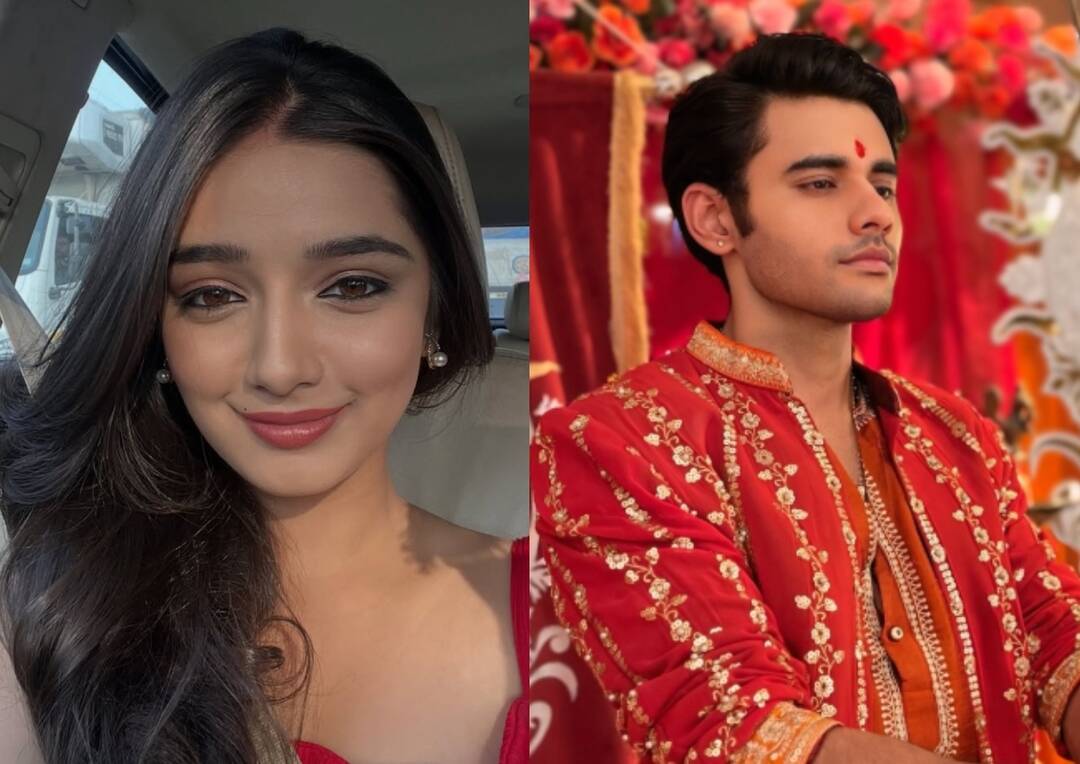
Rimjhim… shows Yashika, 16, in intimate scene with adult co-star; criticised
The Indian television industry has been known for pushing boundaries and exploring mature themes, but a recent episode of the TV show “Rimjhim – Choti Umar Bada Safar” has sparked outrage and criticism from viewers. The show, which features 16-year-old Yashika Sharma as the female lead, has been accused of being inappropriate and uncomfortable to watch, particularly in a scene where Yashika’s character shares an intimate moment with her 24-year-old co-star, Himanshu Awasthie.
The backlash against the show began after a Reddit user posted about the scene, expressing their discomfort and questioning the decision to have a 16-year-old actress perform such a scene. “In which world is it okay for a 15-year-old to shoot such intimate scenes?” the user wrote. Another user chimed in, “Ewwww!! Stop sexualising minors!!” The comments section was filled with similar reactions, with many viewers expressing their disgust and concern for Yashika’s well-being.
The controversy surrounding the show has raised important questions about the portrayal of minors in intimate scenes on television. While the show’s creators may have intended to depict a romantic relationship between the two characters, the power dynamic between a 16-year-old and a 24-year-old is inherently problematic. The fact that Yashika is still a minor and Himanshu is an adult raises concerns about exploitation and the potential harm that such scenes can cause to young actors.
Furthermore, the scene has also sparked a larger conversation about the objectification of women and girls in the media. The fact that a 16-year-old actress is being asked to perform intimate scenes with an adult co-star reinforces the notion that women’s bodies are objects to be used for the purposes of entertainment. This kind of objectification can have serious consequences, including the perpetuation of harmful stereotypes and the normalization of exploitative behavior.
It’s worth noting that the show’s creators have not commented on the controversy, and it’s unclear whether they will take any steps to address the concerns of viewers. However, the backlash against the show serves as a reminder that the media has a responsibility to portray minors in a respectful and responsible manner. This includes avoiding scenes that could be perceived as exploitative or uncomfortable, and ensuring that young actors are protected and supported throughout the production process.
In recent years, there have been several instances of TV shows and movies facing criticism for their portrayal of minors in intimate scenes. In some cases, the shows have been accused of promoting pedophilia or exploiting young actors for the sake of ratings. While “Rimjhim – Choti Umar Bada Safar” may not have intended to promote such themes, the controversy surrounding the show highlights the need for greater awareness and sensitivity when it comes to portraying minors in the media.
Ultimately, the controversy surrounding “Rimjhim – Choti Umar Bada Safar” serves as a reminder that the media has a powerful impact on our culture and our values. As consumers of media, we have a responsibility to speak out when we see something that is uncomfortable or exploitative. By doing so, we can help create a more positive and respectful media landscape that promotes healthy attitudes towards relationships, sex, and consent.
In conclusion, the controversy surrounding “Rimjhim – Choti Umar Bada Safar” is a complex issue that raises important questions about the portrayal of minors in intimate scenes on television. While the show’s creators may have intended to depict a romantic relationship between the two characters, the power dynamic between a 16-year-old and a 24-year-old is inherently problematic. As viewers, we have a responsibility to speak out against exploitative or uncomfortable content, and to promote a more positive and respectful media landscape.
About the Author