Social Beliefs Drive Rural Water Adoption: Study
Access to clean drinking water is a fundamental human right, yet millions of people in rural India continue to struggle with contaminated water sources. The Indian government has launched various initiatives to improve water infrastructure, but the adoption of household water purification systems remains a significant challenge. Recent research has shed light on the factors that influence the adoption of these systems, and the findings are surprising. It appears that social beliefs and collective norms play a more significant role in driving the adoption of household water purification systems than access to infrastructure.
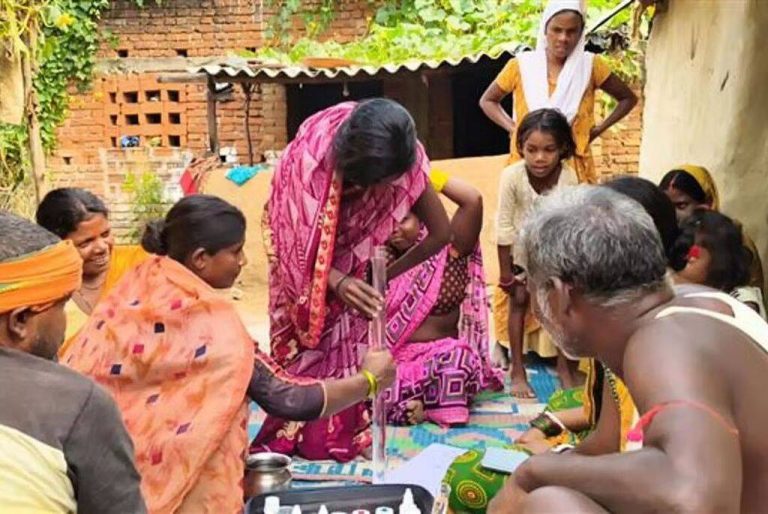
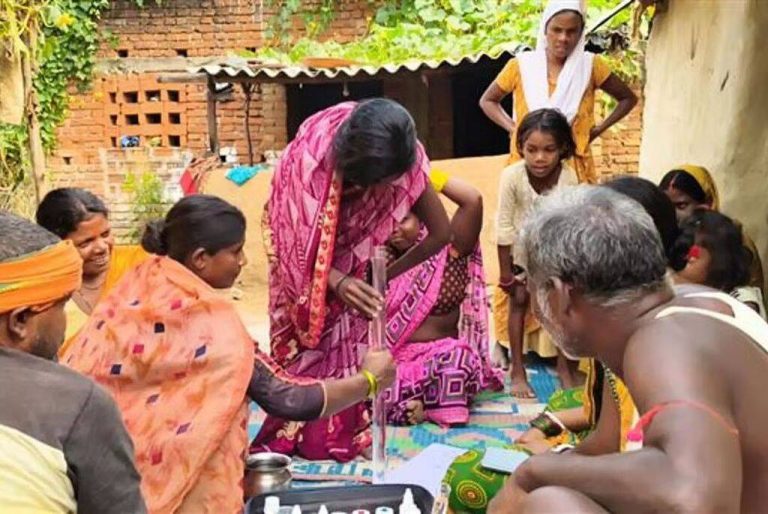
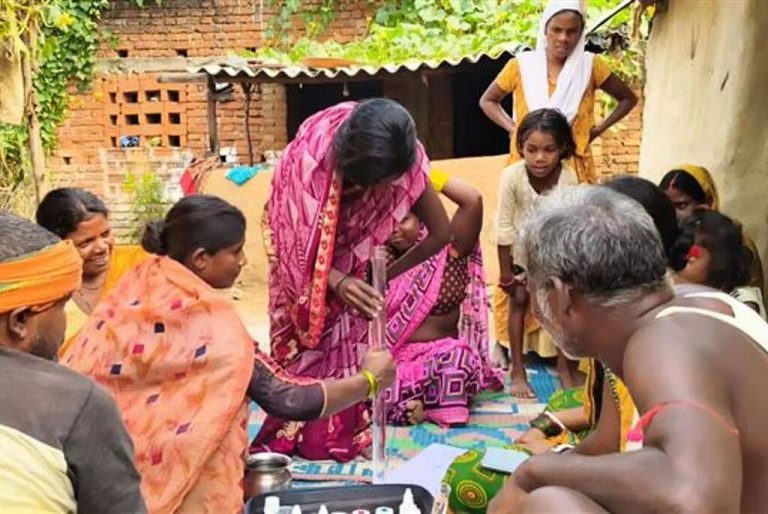
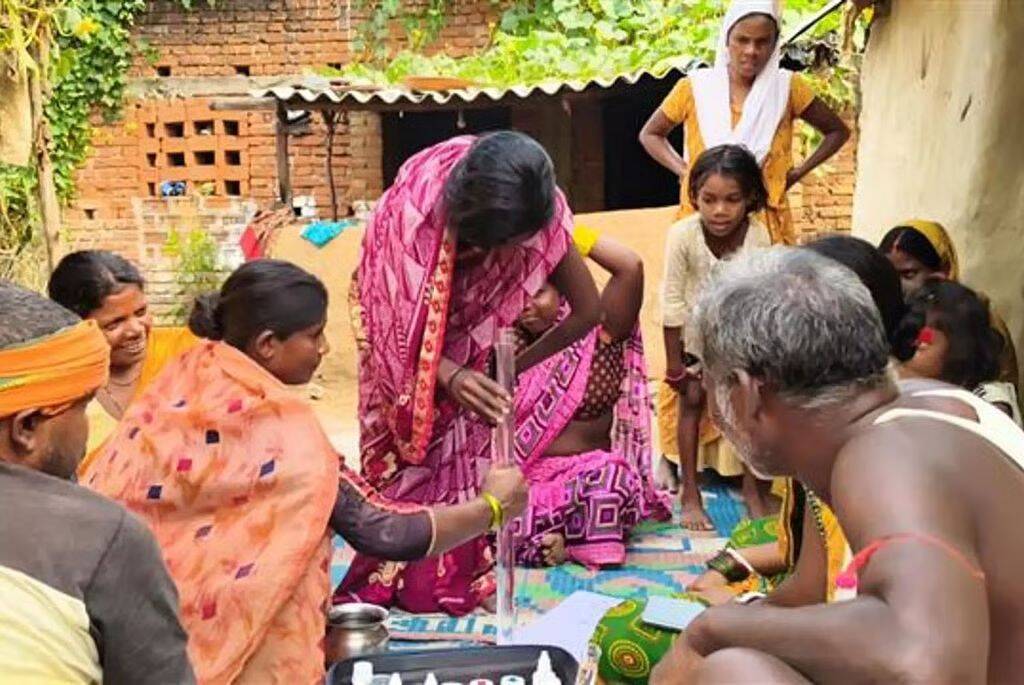
The study, which focused on rural communities in India, found that communities with stronger peer influence and shared beliefs reported higher uptake of low-cost purification methods. This suggests that water programs must align with local social dynamics to be effective. The research highlights the importance of understanding the social and cultural context of rural communities in order to promote the adoption of water purification systems.
One of the key findings of the study was that social trust and collective norms are significant predictors of the adoption of household water purification systems. Communities where people trust each other and share similar beliefs about the importance of clean drinking water are more likely to adopt these systems. This is because social trust and collective norms create an environment where individuals feel pressure to conform to the norms of their community. When a community values clean drinking water, individuals are more likely to adopt water purification systems to avoid social disapproval.
The study also found that peer influence plays a significant role in driving the adoption of household water purification systems. When community members see their peers using these systems, they are more likely to adopt them as well. This is because peer influence creates social proof, which is a powerful motivator for human behavior. When people see others using a particular product or service, they are more likely to try it out for themselves.
Another important finding of the study was that access to infrastructure is not the primary driver of the adoption of household water purification systems. While access to roads, electricity, and other forms of infrastructure can make it easier to install and maintain these systems, it is not the primary factor that drives adoption. This suggests that water programs should focus on promoting social beliefs and collective norms, rather than just investing in infrastructure.
The implications of this study are significant for water programs in rural India. Rather than just focusing on building infrastructure, these programs should prioritize promoting social beliefs and collective norms that support the adoption of household water purification systems. This could involve working with community leaders and influencers to promote the importance of clean drinking water, as well as providing training and education on the use and maintenance of these systems.
Additionally, water programs should take a more nuanced approach to understanding the social and cultural context of rural communities. This could involve conducting ethnographic research to understand the values, beliefs, and practices of these communities, as well as working with local organizations and community groups to promote the adoption of household water purification systems.
In conclusion, the adoption of household water purification systems in rural India is driven more by social beliefs and collective norms than access to infrastructure. Communities with stronger peer influence and shared beliefs reported higher uptake of low-cost purification methods, suggesting that water programs must align with local social dynamics to be effective. By prioritizing the promotion of social beliefs and collective norms, and taking a more nuanced approach to understanding the social and cultural context of rural communities, water programs can increase the adoption of household water purification systems and improve access to clean drinking water for millions of people in rural India.
About the Author