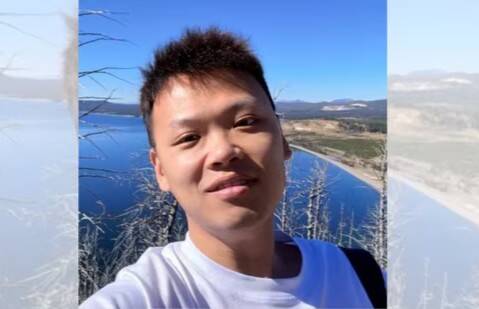
Meta Scientist Zifan Wang on ‘Genius Visa’ Denied Re-Entry into US
The United States has long been a hub for innovation and technological advancement, attracting top talent from around the world. However, a recent incident has raised concerns about the country’s immigration policies and their impact on the tech industry. Zifan Wang, a Meta AI researcher, was denied re-entry into the US after a visit to China, despite holding an O-1 visa, also known as the “genius visa.” This visa is reserved for individuals of “extraordinary ability” in their field, and Wang had been living and working in the US for seven years.
Wang took to social media to express his frustration and disappointment at being denied re-entry. He had been working legally in the US on his O-1 visa, which is typically granted to individuals who have demonstrated exceptional talent and achievement in their field. The O-1 visa is considered one of the most prestigious and sought-after visas in the US, and it is often referred to as the “genius visa” due to the high standards required to qualify.
Wang’s situation has sparked outrage and concern among the tech community, with many questioning the reasoning behind the denial of his re-entry. The US immigration system has been under scrutiny in recent years, with many critics arguing that it is overly complex and often arbitrary. The denial of Wang’s re-entry has highlighted the challenges faced by highly skilled immigrants who come to the US to work and contribute to the country’s innovation ecosystem.
The O-1 visa is designed to attract top talent from around the world, and it is typically granted to individuals who have achieved significant recognition and accolades in their field. Wang’s denial of re-entry has raised questions about the consistency and fairness of the US immigration system. If an individual of Wang’s caliber and achievement can be denied re-entry, it is likely to deter other highly skilled immigrants from coming to the US.
Wang’s decision to move to London instead has significant implications for the US tech industry. The UK has been actively courting top tech talent, and its more relaxed immigration policies have made it an attractive destination for many entrepreneurs and researchers. The loss of Wang’s expertise and talent will undoubtedly be felt in the US, and it is likely to have a ripple effect on the broader tech industry.
The incident has also sparked a debate about the role of immigration in driving innovation and economic growth. The US has long been a leader in the tech industry, but its immigration policies have been criticized for being overly restrictive and bureaucratic. The denial of Wang’s re-entry has highlighted the need for a more streamlined and efficient immigration system that can attract and retain top talent from around the world.
In recent years, there has been a growing trend of highly skilled immigrants leaving the US due to the country’s complex and often unpredictable immigration system. The loss of these individuals can have significant consequences for the US economy, as they often take their skills and expertise to other countries. The UK, Canada, and Australia have all been actively courting top tech talent, and their more relaxed immigration policies have made them attractive destinations for many entrepreneurs and researchers.
The US government has been under pressure to reform its immigration system and make it more attractive to highly skilled immigrants. The denial of Wang’s re-entry has highlighted the need for a more comprehensive and streamlined immigration system that can attract and retain top talent from around the world. The US tech industry is highly dependent on foreign talent, and the loss of individuals like Wang can have significant consequences for the country’s innovation ecosystem.
In conclusion, the denial of Zifan Wang’s re-entry into the US has highlighted the challenges faced by highly skilled immigrants who come to the country to work and contribute to its innovation ecosystem. The incident has sparked outrage and concern among the tech community, and it has raised questions about the consistency and fairness of the US immigration system. Wang’s decision to move to London instead has significant implications for the US tech industry, and it is likely to have a ripple effect on the broader economy. As the US government considers reforms to its immigration system, it must prioritize the needs of highly skilled immigrants like Wang and create a more streamlined and efficient system that can attract and retain top talent from around the world.
About the Author