Meta Scientist Zifan Wang on ‘Genius Visa’ Denied Re-Entry into US
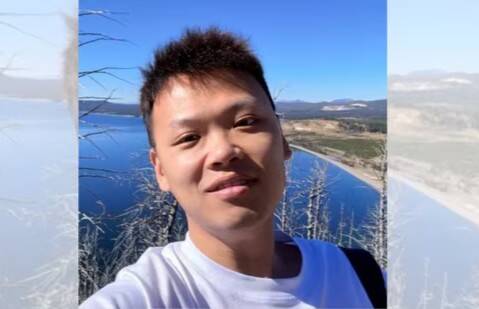
The United States has long been a hub for innovation and technological advancements, attracting top talent from around the world. However, a recent incident has raised concerns about the country’s immigration policies and their impact on the tech industry. Zifan Wang, a Meta AI researcher, was denied re-entry into the US after returning from a visit to China, despite holding an O-1 visa, also known as the “genius visa.” This visa is reserved for individuals of “extraordinary ability” in their field, and Wang had been living and working in the US for seven years.
Wang took to social media to express his frustration and disappointment at being denied re-entry into the country. He had been working at Meta, one of the world’s leading tech companies, and had made significant contributions to the field of artificial intelligence. Despite his impressive credentials and contributions to the US tech industry, Wang was denied re-entry, leaving him feeling shocked and disillusioned.
The O-1 visa is a non-immigrant visa that allows individuals with extraordinary abilities in fields such as science, technology, engineering, and mathematics (STEM) to work in the US. To qualify for an O-1 visa, an individual must demonstrate that they have achieved a high level of expertise in their field, and that their work has had a significant impact on their industry. Wang’s denial of re-entry has raised questions about the effectiveness of the O-1 visa program and the criteria used to evaluate applicants.
Wang’s situation is not an isolated incident. Many highly skilled immigrants have faced similar challenges when trying to enter or re-enter the US. The current immigration system in the US is complex and often unpredictable, making it difficult for individuals to navigate. The O-1 visa program, in particular, has been criticized for its stringent requirements and lengthy processing times.
The denial of Wang’s re-entry into the US has significant implications for the tech industry. The US has long been a leader in technological innovation, but the country’s immigration policies may be driving top talent away. Wang has announced that he will be moving to London instead, a city that has become a hub for tech startups and innovation. This brain drain could have long-term consequences for the US tech industry, as top talent seeks out more welcoming and supportive environments.
The US government has been criticized for its handling of immigration policies, particularly when it comes to highly skilled workers. The current administration has implemented a number of policies aimed at restricting immigration, including stricter requirements for visa applicants and increased scrutiny of visa holders. These policies have been criticized for being overly broad and for failing to account for the nuances of the US immigration system.
Wang’s situation highlights the need for a more streamlined and efficient immigration system in the US. The O-1 visa program, in particular, needs to be reformed to make it easier for highly skilled individuals to enter and remain in the US. This could include simplifying the application process, reducing processing times, and providing more clarity on the criteria used to evaluate applicants.
In addition to reforming the O-1 visa program, the US government should also consider implementing policies that support the retention of highly skilled workers. This could include providing more support for immigrant entrepreneurs, offering pathways to permanent residency, and promoting a more welcoming and inclusive environment for immigrants.
In conclusion, the denial of Zifan Wang’s re-entry into the US is a wake-up call for the tech industry and the US government. The O-1 visa program needs to be reformed to make it easier for highly skilled individuals to enter and remain in the US. The US government should also consider implementing policies that support the retention of highly skilled workers and promote a more welcoming and inclusive environment for immigrants. As the global competition for top talent continues to intensify, the US must adapt its immigration policies to remain a leader in technological innovation.
About the Author