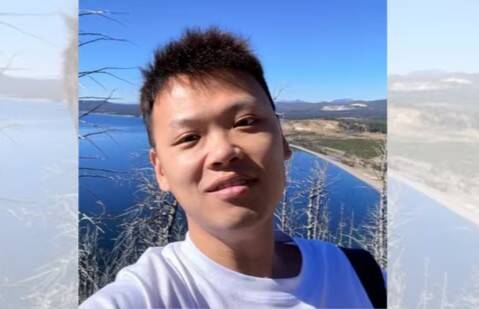
Meta Scientist Zifan Wang on ‘Genius Visa’ Denied Re-Entry into US
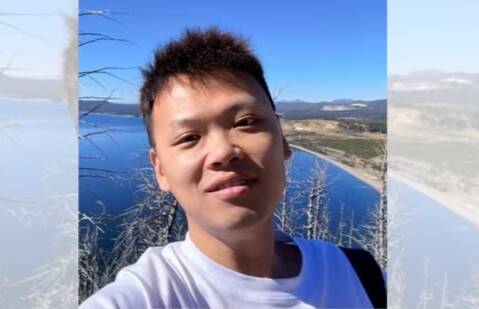
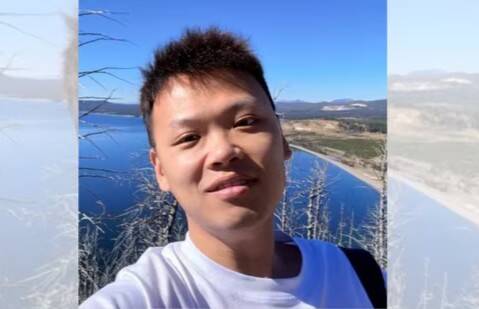
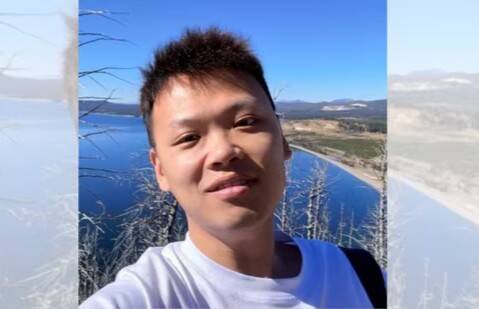
The United States has long been a hub for technological innovation and advancement, attracting some of the brightest minds from around the world. However, a recent incident has raised concerns about the country’s immigration policies and their impact on the tech industry. Zifan Wang, a Meta AI researcher, was denied re-entry into the US after visiting China, despite holding an O-1 visa, which is reserved for individuals of “extraordinary ability”. This incident has sparked a heated debate about the treatment of foreign talent in the US and the potential consequences for the country’s tech sector.
Wang, who had been living in the US for seven years, took to social media to express his frustration and disappointment at being denied re-entry. He had been working legally in the US on an O-1 visa, which is designed for individuals who have demonstrated exceptional skills and achievements in their field. The O-1 visa is often referred to as the “genius visa” due to its stringent requirements and the high level of expertise it demands. Despite meeting these requirements, Wang was still denied re-entry, leaving him feeling bewildered and disillusioned.
The incident has highlighted the complexities and uncertainties of the US immigration system, particularly for foreign nationals working in the tech industry. The O-1 visa is a non-immigrant visa that allows individuals with extraordinary abilities to work in the US for a specific period. However, the visa application process can be lengthy and arduous, requiring extensive documentation and evidence of the individual’s exceptional skills and achievements. Even with an approved O-1 visa, foreign nationals can still face challenges and uncertainties when traveling in and out of the US.
Wang’s experience is not an isolated incident. Many foreign nationals working in the US tech industry have reported similar difficulties and frustrations with the immigration system. The US has long been a magnet for international talent, but the current immigration policies and procedures can be daunting and unpredictable. The consequences of being denied re-entry can be severe, with individuals facing disruption to their work, separation from their families, and uncertainty about their future.
The incident has also sparked concerns about the potential brain drain of top talent from the US. Wang has announced that he will be moving to London instead, citing the more welcoming and supportive environment for foreign nationals. This decision may be a significant loss for the US tech industry, as Wang is a highly skilled and experienced AI researcher. The US has long been a leader in the tech industry, but the current immigration policies and procedures may be driving top talent away.
The incident has also raised questions about the impact of the US immigration system on the tech industry. The US tech sector relies heavily on foreign talent, with many top companies, including Meta, Google, and Microsoft, employing significant numbers of international workers. The current immigration system can create uncertainty and disruption for these companies, making it challenging to attract and retain top talent. The loss of skilled workers like Wang can have a significant impact on the industry, leading to a brain drain and a loss of competitiveness.
In addition to the impact on the tech industry, the incident has also raised concerns about the broader implications of the US immigration system. The O-1 visa is designed for individuals with extraordinary abilities, but the application process and requirements can be stringent and inflexible. The system can be particularly challenging for individuals from certain countries, with some facing significant delays and difficulties in obtaining a visa. The incident has highlighted the need for a more streamlined and efficient immigration system that can attract and retain top talent from around the world.
The US government has been working to reform the immigration system, but progress has been slow. The current system is complex and bureaucratic, with multiple agencies and departments involved in the visa application process. The process can be lengthy and arduous, with significant delays and uncertainties. The government has introduced some reforms, such as the introduction of a new visa category for startup founders, but more needs to be done to create a more welcoming and supportive environment for foreign nationals.
In conclusion, the incident involving Meta scientist Zifan Wang highlights the complexities and uncertainties of the US immigration system, particularly for foreign nationals working in the tech industry. The O-1 visa is designed for individuals with extraordinary abilities, but the application process and requirements can be stringent and inflexible. The incident has sparked concerns about the potential brain drain of top talent from the US and the impact on the tech industry. The US government needs to reform the immigration system to create a more streamlined and efficient process that can attract and retain top talent from around the world.
About the Author