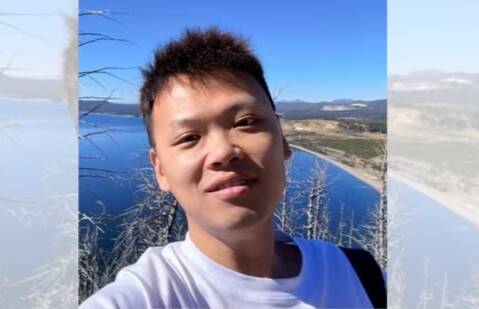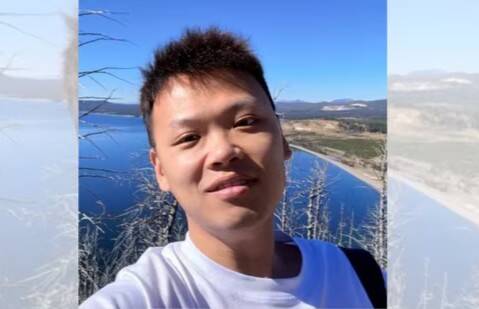
Meta Scientist Zifan Wang on ‘Genius Visa’ Denied Re-Entry into US
The United States has long been a hub for innovation and technological advancement, attracting top talent from around the world. However, a recent incident has raised concerns about the country’s immigration policies and their impact on the tech industry. Zifan Wang, a Meta AI researcher, was denied re-entry into the US after returning from a visit to China, despite holding a valid O-1 visa. The O-1 visa, also known as the “genius visa,” is reserved for individuals of “extraordinary ability” in their field. Wang’s story has sparked outrage and frustration among the tech community, highlighting the need for a more streamlined and efficient immigration process.
Wang, who had been living in the US for seven years, had been working legally on an O-1 visa. He had built a life in the US, contributing to the country’s tech industry and advancing the field of AI research. However, when he returned from a visit to China, he was denied re-entry into the US. The reason for the denial was not specified, but it is believed to be related to the current geopolitical tensions between the US and China.
The incident has left Wang feeling frustrated and disappointed. He took to social media to express his emotions, stating that he would be moving to London instead. Wang’s decision to leave the US is a significant loss for the country’s tech industry, as he is a highly skilled and talented researcher. His departure may also have a ripple effect, deterring other international talent from pursuing opportunities in the US.
The O-1 visa is a non-immigrant visa that allows individuals with extraordinary abilities in fields such as science, technology, engineering, and mathematics (STEM) to work in the US. The visa is designed to attract top talent from around the world, providing a pathway for them to contribute to the US economy and society. However, the visa process can be complex and time-consuming, with applicants facing significant hurdles and uncertainty.
Wang’s experience highlights the challenges faced by international talent in the US. Despite holding a valid visa, he was still denied re-entry into the country. This incident raises questions about the efficiency and fairness of the US immigration system. The current system can be unpredictable, with applicants facing long wait times, high fees, and a lack of transparency.
The impact of Wang’s denial on the US tech industry cannot be overstated. The industry relies heavily on international talent, with many companies, including Meta, employing researchers and engineers from around the world. The loss of talented individuals like Wang can have a significant impact on the industry’s ability to innovate and compete globally.
Furthermore, the incident may also have broader implications for the US economy. The tech industry is a significant contributor to the US GDP, and the loss of international talent can have a ripple effect on the economy as a whole. The US government has long recognized the importance of attracting and retaining top talent, but the current immigration system often fails to support this goal.
In contrast, other countries, such as the UK, Canada, and Australia, have implemented more streamlined and efficient immigration systems, designed to attract and retain top talent. These countries have recognized the importance of international talent in driving innovation and economic growth, and have implemented policies to support this goal.
Wang’s decision to move to London is a testament to the attractiveness of other countries’ immigration policies. The UK, in particular, has implemented a number of initiatives designed to attract international talent, including a fast-tracked visa process for highly skilled workers. The country’s tech industry has flourished in recent years, with many international companies, including Meta, establishing a presence in the UK.
In conclusion, the denial of Zifan Wang’s re-entry into the US is a significant incident that highlights the challenges faced by international talent in the country. The US immigration system is in need of reform, with a more streamlined and efficient process needed to attract and retain top talent. The loss of talented individuals like Wang can have a significant impact on the US tech industry and economy, and it is essential that the government takes steps to address this issue.
As the US continues to navigate the complexities of immigration policy, it is essential that the government prioritizes the needs of the tech industry and the economy as a whole. This includes implementing a more efficient and transparent visa process, as well as providing greater support for international talent. By doing so, the US can ensure that it remains a hub for innovation and technological advancement, attracting the best and brightest from around the world.
About the Author