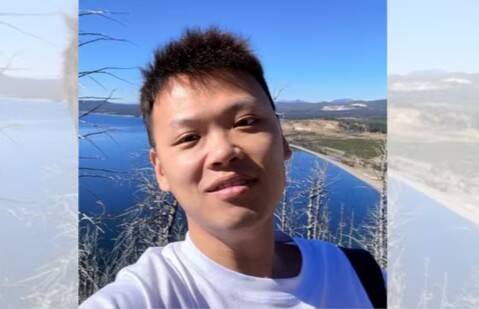
Meta Scientist Zifan Wang on ‘Genius Visa’ Denied Re-Entry into US
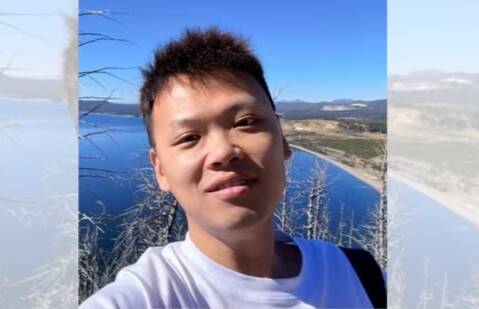
In a shocking turn of events, Meta AI researcher Zifan Wang has been denied re-entry into the United States after returning from a visit to China. Wang, who had been living in the US for seven years and working legally on an O-1 visa, took to social media to express his frustration and disappointment at the decision. The O-1 visa, also known as the “genius visa,” is reserved for individuals of “extraordinary ability” in fields such as science, technology, engineering, and mathematics (STEM).
Wang’s denial of re-entry has sparked widespread concern and debate about the US immigration system and its treatment of highly skilled foreign workers. The incident has also highlighted the challenges faced by international researchers and scientists who come to the US to work and contribute to the country’s scientific and technological advancements.
According to Wang, he had been working at Meta, the parent company of Facebook and Instagram, on an O-1 visa, which is a non-immigrant visa that allows individuals with exceptional abilities to work in the US for a specific period. The visa is highly competitive, and applicants must demonstrate extraordinary achievements in their field, such as awards, publications, and recognition from peers.
Wang had been living in the US for seven years, during which time he had built a successful career as a researcher and scientist. He had also become an integral part of the Meta team, working on various projects and contributing to the company’s research and development efforts. However, when he returned to the US after a visit to China, he was denied re-entry by immigration officials.
The reasons for Wang’s denial of re-entry are not entirely clear, but it is believed that the decision was made due to changes in his visa status or concerns about his activities while in China. Wang has not provided detailed information about the circumstances surrounding his denial, but he has expressed his disappointment and frustration at the decision.
In a series of social media posts, Wang announced that he would be moving to London instead, citing the city’s more welcoming and inclusive environment for international researchers and scientists. Wang’s decision to leave the US and relocate to the UK has sparked concerns about the potential brain drain of highly skilled foreign workers from the US.
The incident has also raised questions about the effectiveness and fairness of the US immigration system, particularly with regards to the treatment of O-1 visa holders. The O-1 visa is designed to attract and retain top talent from around the world, but the application process can be complex and time-consuming, and the visa’s terms and conditions can be restrictive.
Moreover, the denial of re-entry for someone like Wang, who has made significant contributions to the US scientific community, has sparked concerns about the potential impact on the country’s competitiveness and innovation. The US has long been a leader in scientific research and technological advancements, but the country’s ability to attract and retain top talent is critical to maintaining its position as a global leader.
Wang’s experience is not an isolated incident, and there have been several reports of O-1 visa holders facing challenges and difficulties with the US immigration system. In recent years, there has been a growing trend of highly skilled foreign workers leaving the US due to the country’s restrictive immigration policies and the uncertainty surrounding their visa status.
The incident has also sparked a debate about the need for immigration reform in the US, particularly with regards to the treatment of highly skilled foreign workers. Many experts and advocates argue that the US needs to create a more welcoming and inclusive environment for international researchers and scientists, and that the country’s immigration policies should be designed to attract and retain top talent from around the world.
In conclusion, the denial of re-entry for Meta scientist Zifan Wang is a shocking and disappointing incident that highlights the challenges faced by highly skilled foreign workers in the US. Wang’s decision to leave the US and relocate to the UK has sparked concerns about the potential brain drain of top talent from the US, and the incident has raised questions about the effectiveness and fairness of the US immigration system.
As the US continues to compete in an increasingly globalized and interconnected world, it is essential that the country creates a more welcoming and inclusive environment for international researchers and scientists. The US needs to attract and retain top talent from around the world to maintain its position as a global leader in scientific research and technological advancements.
About the Author