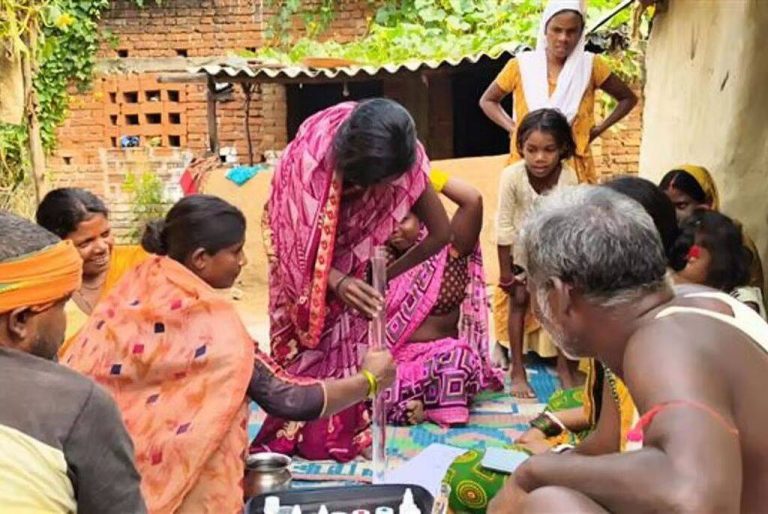
Social beliefs drive rural water adoption: Study
Access to clean drinking water is a fundamental human right, yet millions of people in rural India continue to struggle with limited access to safe and reliable water sources. In recent years, various initiatives have been launched to promote the adoption of household water purification systems in rural areas, with the aim of reducing the burden of water-borne diseases and improving overall health outcomes. However, the uptake of these systems has been uneven, with some communities embracing them more readily than others. A new study has shed light on the factors driving the adoption of household water purification systems in rural India, and the findings are surprising.
Contrary to conventional wisdom, which suggests that infrastructure access is the primary determinant of water adoption, the study reveals that social beliefs and collective norms play a far more significant role. Communities with stronger peer influence and shared beliefs about the importance of clean drinking water reported higher uptake of low-cost purification methods. This suggests that water programs must align with local social dynamics if they are to be successful.
The study, which was conducted in several rural districts of India, found that social trust and collective norms were the key drivers of water adoption. In communities where there was a strong sense of social cohesion and trust, people were more likely to adopt household water purification systems. This was particularly true in communities where local leaders and opinion-makers had endorsed the use of these systems, and where there was a sense of collective responsibility for maintaining good health and hygiene practices.
On the other hand, communities with weaker social bonds and less cohesive social structures reported lower uptake of water purification systems. In these communities, people were more likely to rely on traditional sources of water, such as wells and rivers, which are often contaminated with pollutants and pathogens. The study also found that economic factors, such as the cost of the purification systems, played a relatively minor role in determining adoption rates.
These findings have significant implications for water programs and policies in rural India. Rather than simply focusing on providing access to infrastructure, such as piped water and treatment plants, programs must also take into account the social and cultural context in which they are operating. This means engaging with local communities, building trust and credibility, and promoting collective norms and social cohesion.
One approach that has shown promise is the use of community-based initiatives, which involve local people in the planning, implementation, and maintenance of water programs. These initiatives can help to build social trust and collective norms, and can also provide a sense of ownership and responsibility among community members. By empowering local people to take charge of their own water management, these initiatives can help to create a sense of collective agency and motivation, which can drive the adoption of household water purification systems.
Another approach is to use social marketing techniques, such as messaging and outreach campaigns, to promote the use of household water purification systems. These campaigns can help to raise awareness about the importance of clean drinking water, and can also provide information and education about the benefits and effectiveness of different purification methods. By using local languages and cultural references, these campaigns can be made more relatable and accessible to rural communities.
The study’s findings also highlight the importance of involving local leaders and opinion-makers in water programs. These individuals can play a critical role in promoting the use of household water purification systems, and can help to build social trust and credibility among community members. By partnering with local leaders, water programs can leverage their influence and authority to drive the adoption of purification systems, and can also help to create a sense of collective ownership and responsibility.
In conclusion, the adoption of household water purification systems in rural India is driven more by social beliefs and collective norms than by infrastructure access. Communities with stronger peer influence and shared beliefs about the importance of clean drinking water reported higher uptake of low-cost purification methods. Water programs must align with local social dynamics, and must take into account the social and cultural context in which they are operating. By engaging with local communities, building trust and credibility, and promoting collective norms and social cohesion, water programs can help to drive the adoption of household water purification systems, and can improve the health and wellbeing of rural communities.
About the Author