Social Beliefs Drive Rural Water Adoption: Study
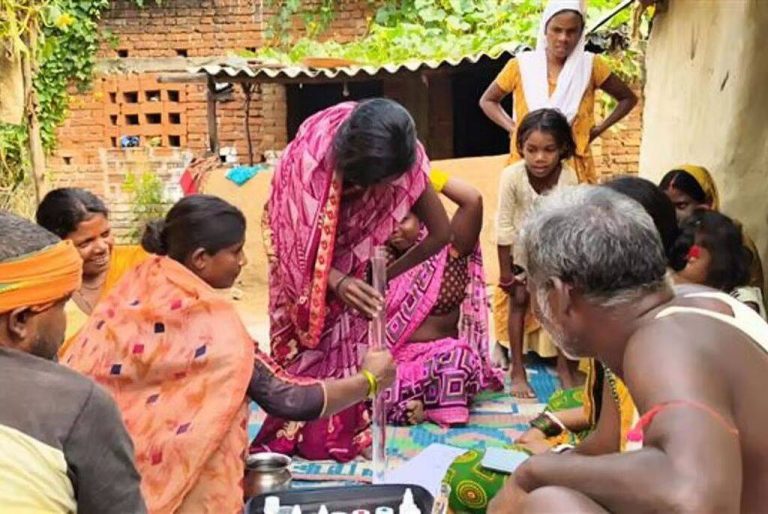
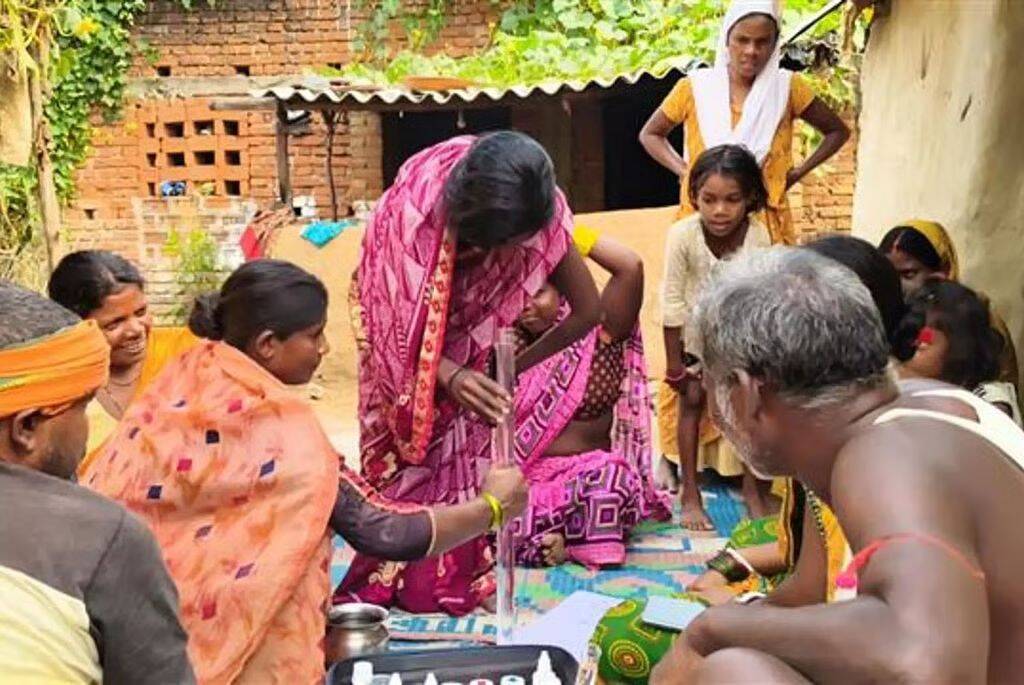
Access to clean drinking water is a fundamental human right, yet millions of people in rural India struggle to get reliable and safe water for their daily needs. The Indian government has been working to improve water infrastructure, but the adoption of household water purification systems in rural areas remains a significant challenge. Recent research has shed new light on the factors that influence the adoption of these systems, and the findings are surprising. It appears that social beliefs and collective norms play a much more significant role in driving the adoption of household water purification systems than previously thought.
The study, which focused on rural communities in India, found that the adoption of low-cost water purification methods is more closely tied to social trust and peer influence than to the availability of water infrastructure. In other words, communities with stronger social bonds and shared beliefs about the importance of clean water are more likely to adopt household water purification systems. This suggests that water programs and policies must take into account the local social dynamics and cultural context in which they operate.
The research highlights the importance of understanding the social and cultural factors that shape behavior and decision-making in rural communities. It is not enough to simply provide access to clean water or to promote the use of water purification systems through education and awareness campaigns. Instead, water programs must be designed to align with the social norms and values of the community, and to leverage the influence of peer groups and community leaders.
One of the key findings of the study is that communities with higher levels of social trust and cooperation are more likely to adopt household water purification systems. This is because social trust facilitates the sharing of information and resources, and creates an environment in which community members feel more comfortable adopting new technologies and practices. In contrast, communities with lower levels of social trust and cooperation are less likely to adopt these systems, even if they have access to the necessary infrastructure and resources.
The study also found that collective norms and shared beliefs about the importance of clean water play a significant role in driving the adoption of household water purification systems. In communities where there is a strong cultural emphasis on the importance of clean water, and where community members share a common understanding of the risks associated with contaminated water, the adoption of water purification systems is more widespread. This suggests that water programs must be designed to resonate with the cultural values and beliefs of the community, and to tap into existing social norms and practices.
The implications of this research are significant, and have important implications for the design and implementation of water programs in rural India. First and foremost, it suggests that water programs must be tailored to the specific social and cultural context of the community. This means taking the time to understand the local social dynamics, cultural values, and collective norms that shape behavior and decision-making.
Second, the research highlights the importance of leveraging social influence and peer groups to promote the adoption of household water purification systems. This can involve working with community leaders and influencers to promote the use of these systems, and creating opportunities for community members to share their experiences and learn from one another.
Finally, the study suggests that water programs must be designed to address the broader social and cultural factors that shape access to clean water. This means going beyond the provision of infrastructure and technology, and working to address the underlying social and economic factors that contribute to water poverty. By taking a more holistic and community-based approach to water programming, it is possible to create more effective and sustainable solutions to the challenge of access to clean water in rural India.
In conclusion, the adoption of household water purification systems in rural India is driven by a complex array of social, cultural, and economic factors. While access to infrastructure and technology is important, it is not enough to simply provide these things and expect communities to adopt them. Instead, water programs must be designed to align with the local social dynamics and cultural context, and to leverage the influence of peer groups and community leaders. By taking a more nuanced and community-based approach to water programming, it is possible to create more effective and sustainable solutions to the challenge of access to clean water in rural India.
About the Author