Meta Scientist Zifan Wang on ‘Genius Visa’ Denied Re-Entry into US
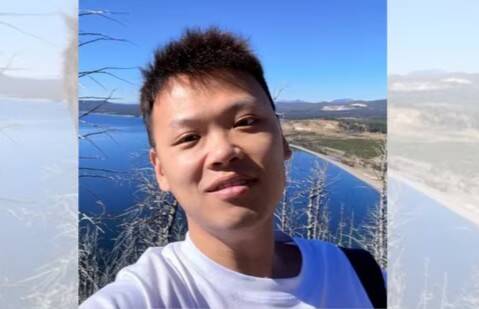
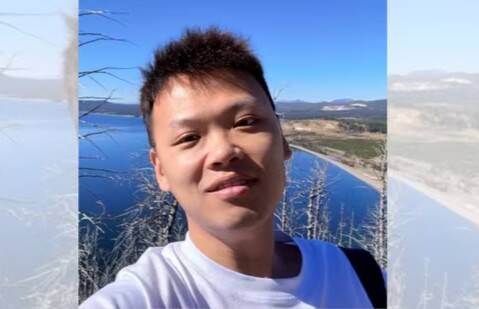
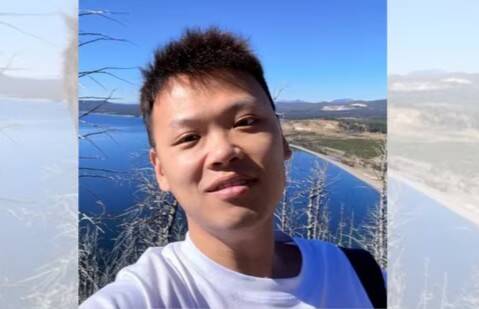
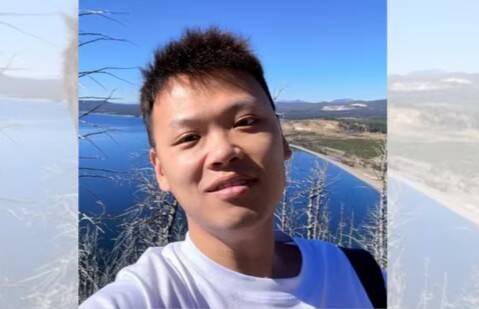
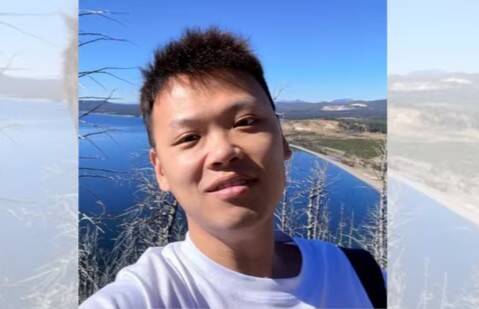
In a shocking turn of events, Meta AI researcher Zifan Wang was denied re-entry into the United States after returning from a visit to China. Wang, who had been living in the US for seven years and working legally on an O-1 visa, took to social media to express his frustration and disappointment at the decision. The O-1 visa, also known as the “genius visa,” is reserved for individuals of “extraordinary ability” in their field, and Wang’s denial has sparked concerns about the US immigration system and its treatment of highly skilled workers.
Wang’s story began when he traveled to China to visit his family, a trip he had planned and prepared for well in advance. However, upon his return to the US, he was stopped at the border and denied re-entry. The reasons for the denial are still unclear, but Wang has stated that he was not given any explanation or justification for the decision. This lack of transparency and communication has left Wang feeling confused, frustrated, and disappointed.
The O-1 visa is a highly competitive and prestigious visa category, reserved for individuals who have demonstrated extraordinary ability in their field. To qualify for an O-1 visa, an individual must meet specific criteria, including receiving a major internationally recognized award, or providing evidence of at least three of the following:
- Receipt of nationally or internationally recognized prizes or awards
- Membership in associations that require outstanding achievements
- Published material about the individual in professional or major trade publications
- Participation as a judge of the work of others in the same or an allied field
- Original contributions of major significance to the field
- Authorship of scholarly articles in professional or major trade publications
- Employment in a critical or essential capacity for organizations with a distinguished reputation
Wang, as a Meta AI researcher, had clearly demonstrated his extraordinary ability in the field of artificial intelligence. His work at Meta, a leading technology company, had been recognized and respected by his peers, and he had made significant contributions to the field. It is therefore surprising and concerning that he was denied re-entry into the US, despite meeting the criteria for an O-1 visa.
The denial of Wang’s re-entry into the US has significant implications for the country’s ability to attract and retain top talent. The US has long been a hub for innovation and technological advancement, and its ability to attract highly skilled workers from around the world has been a key factor in its success. However, the current immigration system, with its complex and often arbitrary rules and regulations, is creating uncertainty and instability for many of these workers.
Wang’s decision to move to London instead is a significant loss for the US, and a gain for the UK. The UK has been actively courting highly skilled workers, with its own version of the “genius visa,” and has been successful in attracting many top talents from around the world. The UK’s more streamlined and efficient immigration system, combined with its reputation for innovation and entrepreneurship, makes it an attractive destination for many highly skilled workers.
The US, on the other hand, is at risk of losing its competitive edge in the global market for talent. The current immigration system, with its emphasis on security and border control, is creating a hostile environment for many highly skilled workers. The denial of Wang’s re-entry into the US is just one example of the many problems with the current system, and highlights the need for reform and change.
In conclusion, the denial of Meta AI researcher Zifan Wang’s re-entry into the US is a shocking and concerning event. Wang’s story highlights the problems with the current US immigration system, and the need for reform and change. The US must find a way to balance its security concerns with its need to attract and retain top talent, or risk losing its competitive edge in the global market for innovation and technological advancement.
As Wang prepares to start his new life in London, the US is left to ponder the consequences of its actions. The loss of Wang’s talent and expertise is a significant blow, and a reminder that the US is not the only destination for highly skilled workers. The UK, and other countries, are actively courting top talent, and the US must find a way to compete.
About the Author