Social Beliefs Drive Rural Water Adoption: Study
Access to clean drinking water is a fundamental human right, yet millions of people in rural India still lack this basic necessity. The Indian government has implemented various initiatives to improve access to safe drinking water, including the installation of community water purification systems. However, the adoption of these systems has been inconsistent, with some communities embracing them while others have been slower to adopt. New research has shed light on the factors that influence the adoption of household water purification systems in rural India, and the findings are surprising.
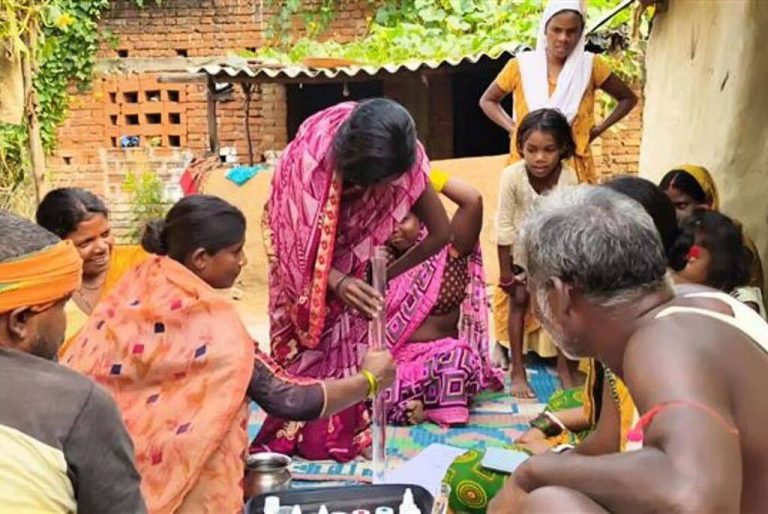
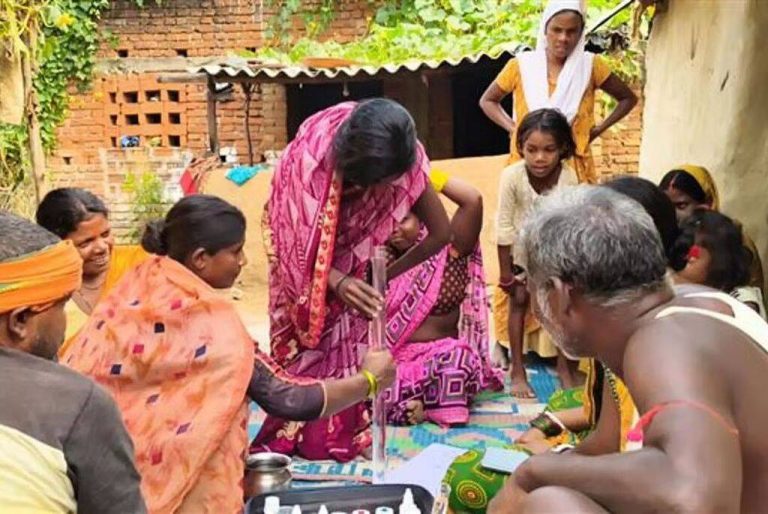
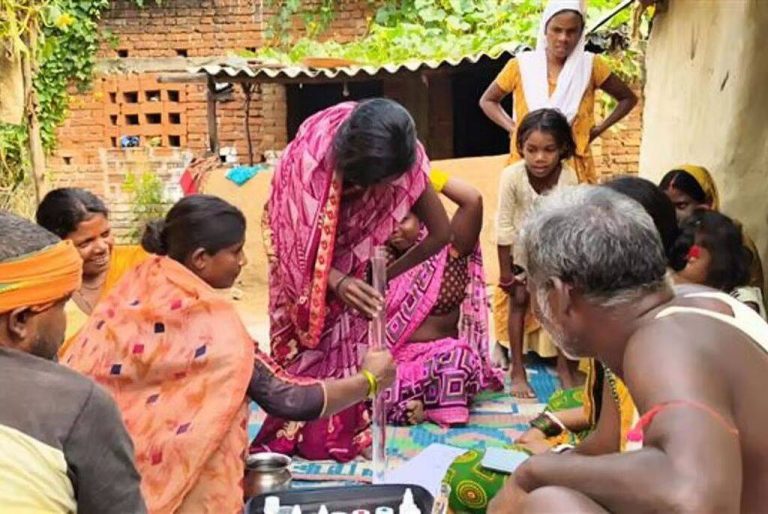
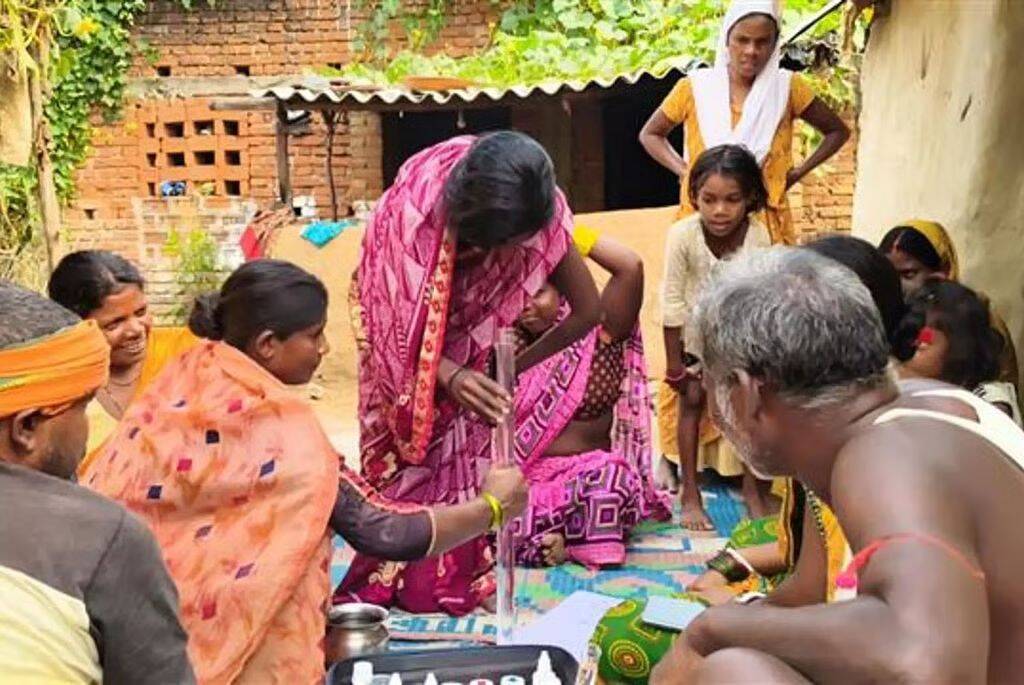
According to the study, the adoption of household water purification systems in rural India depends more on social trust and collective norms than infrastructure access. Communities with stronger peer influence and shared beliefs reported higher uptake of low-cost purification methods. This suggests that water programs must align with local social dynamics to be effective.
The study, which was conducted in several rural villages in India, found that social beliefs and norms played a significant role in determining whether a community adopted a water purification system. The researchers discovered that communities with strong social bonds and a sense of collective responsibility were more likely to adopt and maintain a water purification system. On the other hand, communities with weaker social ties and a lack of trust in their neighbors were less likely to adopt these systems.
One of the key factors that influenced the adoption of water purification systems was peer influence. The study found that when a respected member of the community adopted a water purification system, others were more likely to follow suit. This suggests that social norms and peer pressure can be a powerful tool in promoting the adoption of new technologies, including water purification systems.
Another important factor was collective norms around health and hygiene. Communities that placed a strong emphasis on health and hygiene were more likely to adopt water purification systems, as they recognized the importance of clean drinking water in preventing water-borne illnesses. This highlights the need for water programs to be integrated with broader health and hygiene initiatives, rather than being treated as a standalone issue.
The study also found that the cost of the water purification system was not a significant barrier to adoption. While cost is often cited as a major obstacle to the adoption of new technologies, the researchers found that communities were willing to pay for a water purification system if they believed it was effective and would improve their health.
The findings of this study have important implications for water programs in rural India. Rather than focusing solely on the installation of new infrastructure, programs should prioritize building trust and social capital within communities. This can involve working with local leaders and respected community members to promote the adoption of water purification systems, as well as providing education and training on the importance of clean drinking water.
Additionally, water programs should be designed to align with local social dynamics and collective norms. This may involve adapting the design and implementation of water purification systems to fit the specific needs and cultural context of each community. By taking a more nuanced and community-centered approach, water programs can increase the adoption and sustainability of water purification systems, ultimately improving access to clean drinking water for millions of people in rural India.
In conclusion, the adoption of household water purification systems in rural India is driven by social beliefs and collective norms, rather than just infrastructure access. By understanding and working with these social dynamics, water programs can increase the uptake of low-cost purification methods and improve access to clean drinking water. As the Indian government continues to invest in initiatives to improve access to safe drinking water, it is essential that these programs prioritize building trust and social capital within communities, and are designed to align with local social dynamics.
About the Author