Social Beliefs Drive Rural Water Adoption: Study
Access to clean drinking water is a fundamental human right, yet millions of people in rural India continue to struggle with limited access to safe and reliable water sources. The Indian government has implemented various initiatives to improve water infrastructure, including the installation of community water purification systems. However, the adoption of these systems has been inconsistent, with some communities embracing them while others have been slower to accept.
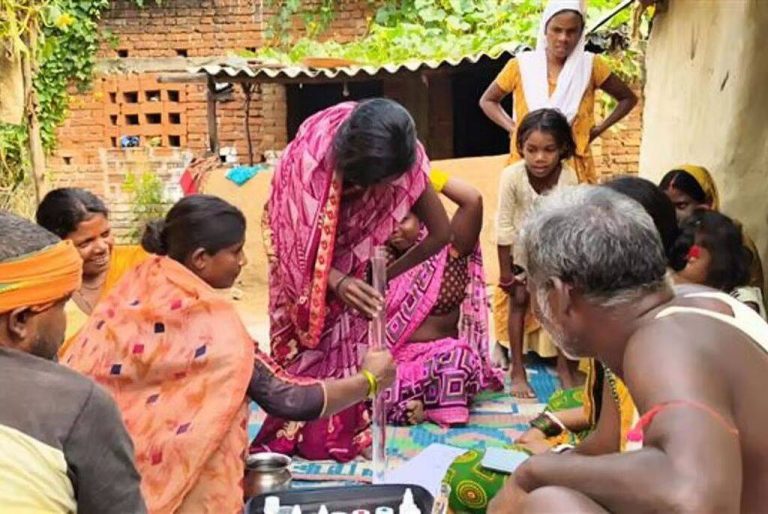
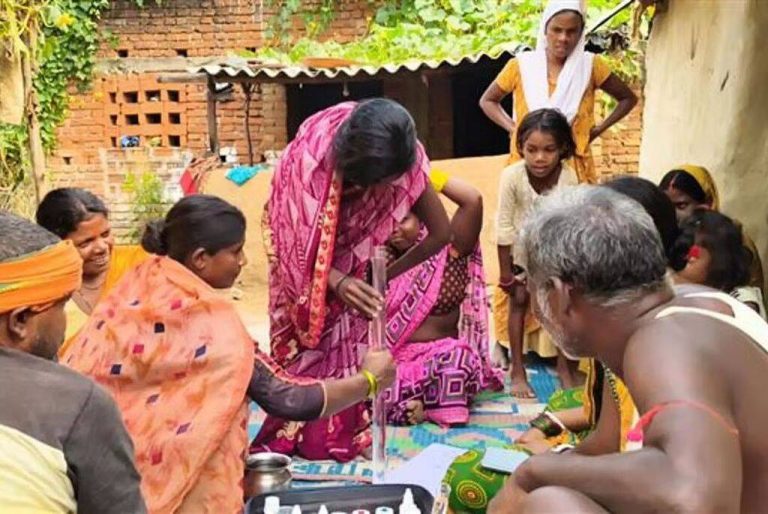
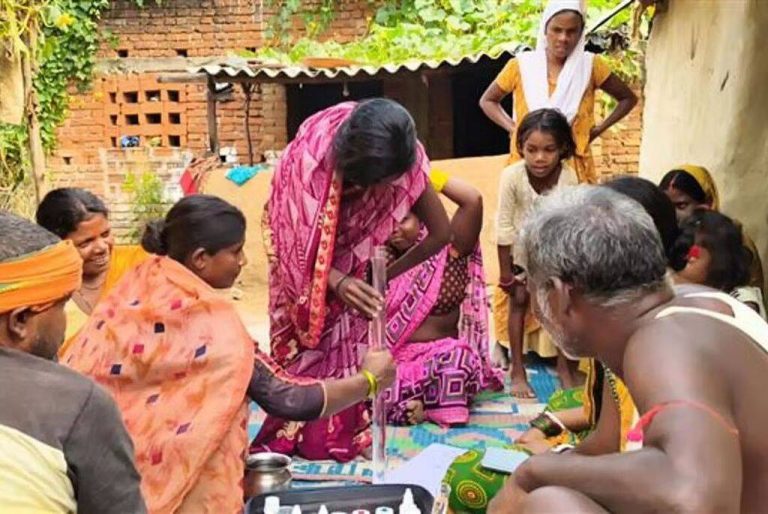
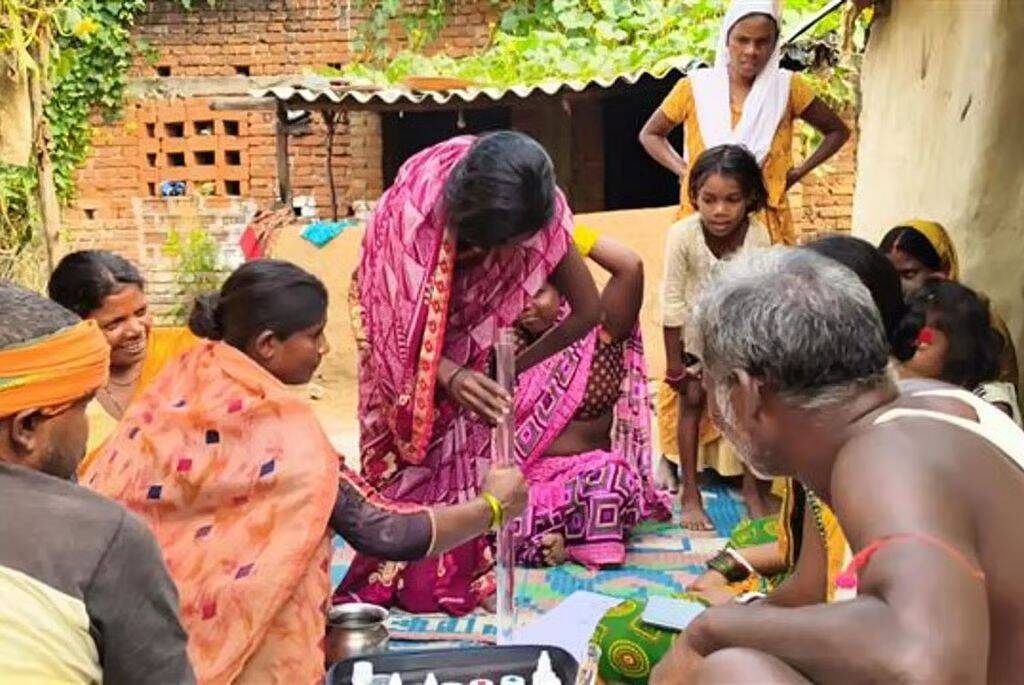
New research has shed light on the factors driving the adoption of household water purification systems in rural India. The study, which focused on the role of social beliefs and collective norms, found that the uptake of low-cost purification methods is more closely tied to social trust and peer influence than to infrastructure access. In other words, communities with stronger social bonds and shared beliefs about the importance of clean water are more likely to adopt water purification systems.
The study’s findings have significant implications for water programs in rural India. Rather than simply focusing on building new infrastructure, policymakers and practitioners must consider the local social dynamics and cultural context in which these systems will be used. By aligning water programs with the values and norms of the community, it is possible to increase the adoption and sustainability of water purification systems.
One of the key factors driving the adoption of water purification systems is social trust. Communities with high levels of social trust, where individuals feel confident in the integrity and reliability of their neighbors, are more likely to adopt new technologies and practices. This is because social trust facilitates the sharing of information and resources, making it easier for community members to learn about and access new water purification methods.
Collective norms also play a crucial role in shaping the adoption of water purification systems. When a community shares a common understanding of the importance of clean water, individuals are more likely to adopt behaviors that align with this norm. For example, if a community believes that clean water is essential for good health, individuals will be more motivated to use water purification systems to ensure their families have access to safe drinking water.
The study found that communities with stronger peer influence and shared beliefs reported higher uptake of low-cost purification methods. This suggests that word-of-mouth and social networks can be powerful drivers of adoption, as individuals are more likely to adopt a new technology or practice if they see their peers using it.
The importance of social beliefs and collective norms in driving the adoption of water purification systems highlights the need for a more nuanced approach to water programming. Rather than simply focusing on building new infrastructure, policymakers and practitioners must engage with local communities to understand their values, norms, and social dynamics.
This can involve working with local leaders and community groups to raise awareness about the importance of clean water and the benefits of water purification systems. It can also involve incorporating traditional practices and cultural values into water programs, making them more relevant and acceptable to local communities.
The study’s findings also underscore the importance of considering the cultural context in which water programs are implemented. In rural India, water is not just a physical resource, but also a cultural and spiritual one. Water is often closely tied to traditional practices and rituals, and its use and management are shaped by local customs and beliefs.
By taking a more culturally sensitive approach to water programming, policymakers and practitioners can increase the adoption and sustainability of water purification systems. This can involve working with local communities to develop water programs that are tailored to their specific needs and contexts, rather than relying on one-size-fits-all solutions.
In conclusion, the adoption of household water purification systems in rural India is driven more by social beliefs and collective norms than by infrastructure access. Communities with stronger peer influence and shared beliefs about the importance of clean water are more likely to adopt low-cost purification methods. The findings of this study highlight the need for a more nuanced approach to water programming, one that takes into account the local social dynamics and cultural context in which water systems will be used.
By aligning water programs with local values and norms, policymakers and practitioners can increase the adoption and sustainability of water purification systems, ultimately improving access to clean drinking water for millions of people in rural India.
About the Author