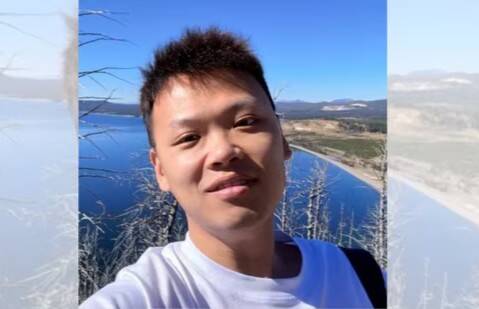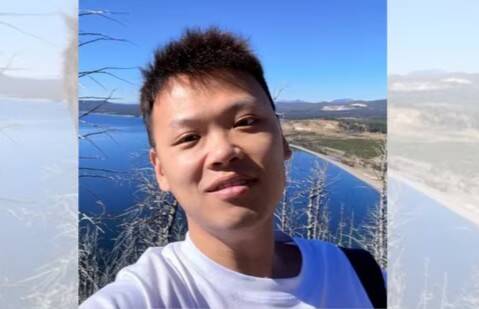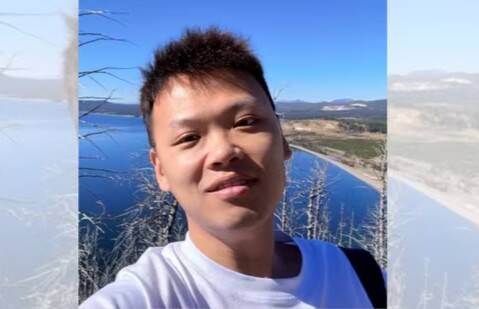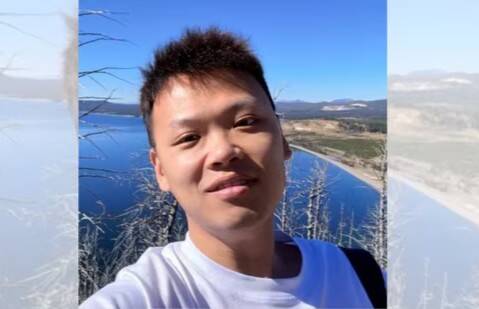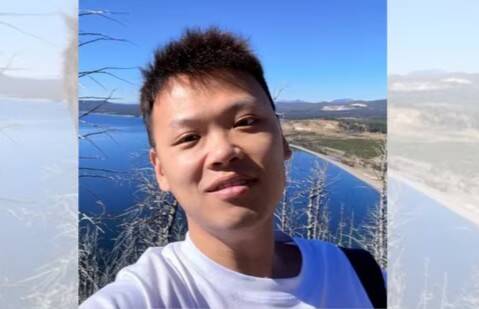
Meta Scientist Zifan Wang on ‘Genius Visa’ Denied Re-Entry into US
The United States has long been a hub for innovation and technological advancements, attracting top talent from around the world. However, a recent incident involving Meta AI researcher Zifan Wang has raised concerns about the country’s immigration policies and their impact on the tech industry. Wang, who had been living in the US for seven years and working legally on an O-1 visa, was denied re-entry into the country after returning from a visit to China. The O-1 visa, also known as the “genius visa,” is reserved for individuals of “extraordinary ability” in fields such as science, technology, engineering, and mathematics (STEM).
Wang, who has been working at Meta, the parent company of Facebook, Instagram, and WhatsApp, took to social media to express his frustration and disappointment at being denied re-entry into the US. He announced that he would be moving to London instead, citing the uncertainty and unpredictability of the US immigration system. Wang’s situation has sparked a debate about the treatment of foreign talent in the US and the potential consequences for the country’s tech industry.
The O-1 visa is a non-immigrant visa that allows individuals with extraordinary abilities to work in the US for a specific period. To qualify for an O-1 visa, applicants must demonstrate that they have achieved national or international recognition in their field, and that their work will substantially benefit the US. Wang, who has a strong background in artificial intelligence and machine learning, had met these requirements and had been working in the US on an O-1 visa for several years.
However, despite his credentials and contributions to the US tech industry, Wang was denied re-entry into the country after returning from a visit to China. The reason for the denial is not clear, but it is believed that Wang’s travel history and nationality may have played a role in the decision. The US has been increasingly scrutinizing travelers from China, particularly those working in sensitive fields such as AI and technology, due to concerns about intellectual property theft and national security.
Wang’s situation is not unique, and many other foreign nationals working in the US tech industry have faced similar challenges. The US immigration system has become increasingly complex and unpredictable, with long wait times and high rejection rates for visa applications. This has created uncertainty and anxiety for foreign workers, who may face difficulties in obtaining or renewing their visas, or may be denied re-entry into the country.
The denial of Wang’s re-entry into the US has significant implications for the country’s tech industry. The US has long relied on foreign talent to drive innovation and growth, and the loss of skilled workers like Wang could have a negative impact on the industry as a whole. Many top tech companies, including Google, Amazon, and Facebook, have been vocal about the need for immigration reform and the importance of attracting and retaining foreign talent.
Wang’s decision to move to London instead of returning to the US is a significant blow to the US tech industry. London has emerged as a major hub for tech talent, with many companies establishing operations in the city to take advantage of its diverse and skilled workforce. The UK’s immigration policies are generally considered more favorable to foreign workers, with a more streamlined and predictable application process.
The incident involving Wang has also raised concerns about the impact of US immigration policies on the country’s reputation as a hub for innovation and technological advancements. The US has long been a magnet for top talent from around the world, but the current immigration system is creating uncertainty and anxiety for foreign workers. This could have long-term consequences for the US tech industry, as foreign workers may choose to pursue opportunities in other countries instead.
In conclusion, the denial of Zifan Wang’s re-entry into the US is a significant incident that highlights the challenges faced by foreign workers in the US tech industry. The US immigration system is in need of reform, and the country must find a way to balance national security concerns with the need to attract and retain foreign talent. The loss of skilled workers like Wang could have a negative impact on the US tech industry, and the country must take steps to ensure that it remains a welcoming and attractive destination for top talent from around the world.
For more information on this story, please visit: https://www.hindustantimes.com/trending/us/meta-employee-on-o-1-visa-denied-reentry-to-the-us-now-plans-to-move-to-london-101769567153411-amp.html
About the Author