Meta Scientist Zifan Wang on ‘Genius Visa’ Denied Re-Entry into US
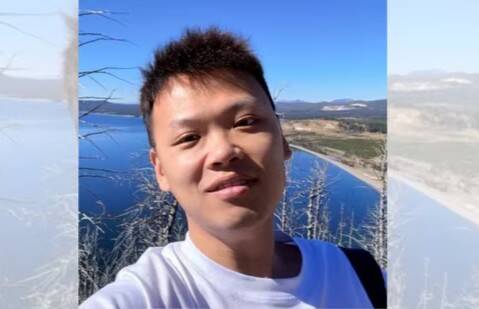
The United States has long been a hub for innovation and technological advancements, attracting talented individuals from around the world. One such individual is Zifan Wang, a Meta AI researcher who had been living in the US for seven years, working legally on an O-1 visa. However, Wang’s journey in the US came to an abrupt halt when he was denied re-entry into the country after a visit to China. The news has sent shockwaves through the scientific community, with many questioning the fairness of the US immigration system.
Wang, who had been working at Meta, the parent company of Facebook and Instagram, took to social media to express his frustration and disappointment. He announced that he would be moving to London instead, citing the difficulties he faced in trying to re-enter the US. The news has sparked a debate about the treatment of highly skilled immigrants in the US, with many arguing that the country is losing out on top talent due to its complex and often arbitrary immigration policies.
The O-1 visa, also known as the “genius visa,” is reserved for individuals of “extraordinary ability” in fields such as science, technology, engineering, and mathematics (STEM). Wang, who has a strong background in AI research, had been working in the US on this visa, contributing to the country’s technological advancements. However, despite his exceptional abilities and contributions, Wang was denied re-entry into the US, leaving him feeling disillusioned and disappointed.
The reasons behind Wang’s denial are unclear, but it is likely that his visit to China raised concerns about his intentions and loyalty to the US. The US has been increasingly scrutinizing individuals with ties to China, particularly in the tech industry, due to concerns about intellectual property theft and national security. However, this approach has been criticized for being overly broad and discriminatory, with many innocent individuals being caught in the crossfire.
Wang’s experience is not an isolated incident. Many highly skilled immigrants have faced similar challenges in recent years, with some being denied visas or facing lengthy delays in the processing of their applications. The US immigration system has been criticized for being slow, bureaucratic, and often arbitrary, with decisions being made on a case-by-case basis without clear guidelines or criteria.
The loss of talented individuals like Wang is a significant blow to the US tech industry, which relies heavily on international talent to drive innovation and growth. The US has long been a magnet for top talent, but its immigration policies are increasingly driving people away. Wang’s decision to move to London is a testament to the fact that other countries are now competing with the US for top talent, offering more welcoming and inclusive environments for highly skilled immigrants.
The UK, in particular, has been actively courting international talent, offering a range of visa options and incentives to attract top researchers and entrepreneurs. London has emerged as a major hub for tech innovation, with many startups and established companies setting up shop in the city. Wang’s decision to move to London is likely to be followed by others, as the UK’s more relaxed immigration policies and favorable business environment make it an attractive destination for highly skilled immigrants.
The US government has been criticized for its handling of immigration policies, with many arguing that the current system is broken and in need of reform. The O-1 visa, in particular, has been criticized for being overly restrictive and difficult to obtain, with many applicants facing lengthy delays and arbitrary denials. The US needs to rethink its approach to immigration, recognizing the value that highly skilled immigrants bring to the country and taking steps to attract and retain top talent.
In conclusion, the denial of re-entry to the US for Meta scientist Zifan Wang is a disturbing trend that highlights the flaws in the US immigration system. The loss of talented individuals like Wang is a significant blow to the US tech industry, and the country’s reputation as a hub for innovation and technological advancements. As the US continues to struggle with its immigration policies, other countries are stepping in to fill the gap, offering more welcoming and inclusive environments for highly skilled immigrants. The US needs to wake up to the reality of the situation and take steps to reform its immigration system, recognizing the value that international talent brings to the country.
About the Author