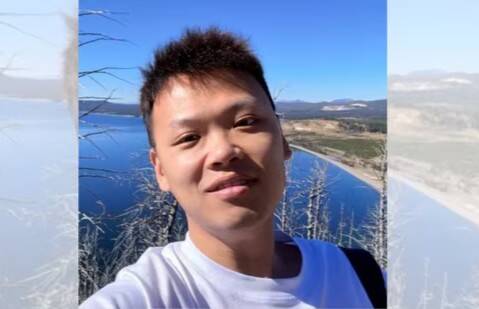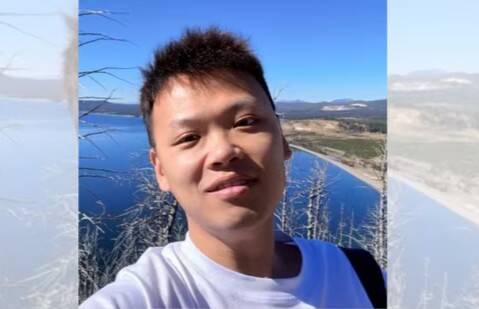
Meta scientist Zifan Wang on ‘genius visa’ denied re-entry into US
The United States has long been a hub for technological innovation and advancement, attracting top talent from around the world. However, a recent incident has raised concerns about the country’s immigration policies and their impact on the tech industry. Zifan Wang, a Meta AI researcher, was denied re-entry into the US after returning from a visit to China, despite holding a valid O-1 visa. The O-1 visa, also known as the “genius visa,” is reserved for individuals of “extraordinary ability” in fields such as science, technology, engineering, and mathematics (STEM).
Wang, who had been living in the US for seven years and working legally on the O-1 visa, took to social media to express his frustration and disappointment. He announced that he would be relocating to London instead, citing the uncertainty and unpredictability of the US immigration system. The incident has sparked a heated debate about the treatment of highly skilled immigrants in the US and the potential consequences for the country’s tech industry.
The O-1 visa is designed to attract and retain top talent in the US, allowing individuals with exceptional abilities to work and contribute to the country’s innovation ecosystem. However, the visa process can be complex and unpredictable, with long wait times and high rejection rates. Wang’s experience highlights the challenges faced by many highly skilled immigrants who come to the US to work and innovate.
Wang’s situation is not an isolated incident. Many international students and professionals who come to the US on various types of visas, including the O-1, face significant challenges and uncertainties. The US immigration system is often criticized for being overly bureaucratic and restrictive, making it difficult for highly skilled individuals to navigate and secure permanent residency or citizenship.
The denial of Wang’s re-entry into the US has significant implications for the tech industry. Meta, one of the world’s leading technology companies, will lose a talented researcher and contributor. Wang’s departure may also have a ripple effect, as other highly skilled immigrants may reconsider their decision to work in the US. The incident may damage the US’s reputation as a hub for innovation and technological advancement, potentially driving top talent to other countries with more welcoming and predictable immigration policies.
The US government has been criticized for its handling of immigration policies, particularly with regards to highly skilled workers. The current administration has implemented various restrictions and regulations, making it more difficult for international students and professionals to come to the US. The denial of Wang’s re-entry into the US may be seen as a reflection of these policies, which prioritize national security and border control over attracting and retaining top talent.
Wang’s decision to relocate to London is not surprising, given the UK’s more welcoming and streamlined immigration policies for highly skilled workers. The UK offers a range of visa options, including the Global Talent visa, which is designed to attract top talent in the tech industry. The UK’s tech sector has been growing rapidly in recent years, with many startups and established companies setting up operations in London and other major cities.
The incident has sparked a wider debate about the future of the US tech industry and its ability to attract and retain top talent. As the global competition for innovation and technological advancement intensifies, the US must re-examine its immigration policies and ensure that they are aligned with the country’s economic and strategic interests. The denial of Wang’s re-entry into the US may be a wake-up call for policymakers to reassess the country’s approach to immigration and its impact on the tech industry.
In conclusion, the denial of Meta scientist Zifan Wang’s re-entry into the US is a significant incident that highlights the challenges faced by highly skilled immigrants in the US. The incident has sparked a heated debate about the US immigration system and its impact on the tech industry. As the US competes with other countries to attract and retain top talent, it must reconsider its approach to immigration and ensure that it is welcoming and inclusive of highly skilled workers. The US government must work to create a more predictable and streamlined immigration system that allows top talent to contribute to the country’s innovation ecosystem.
About the Author