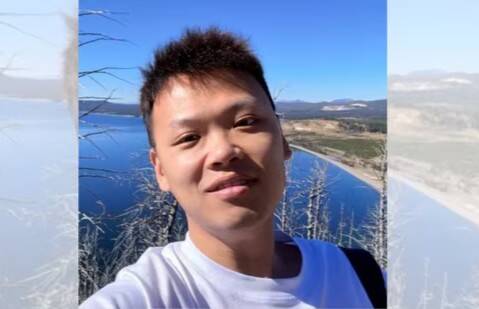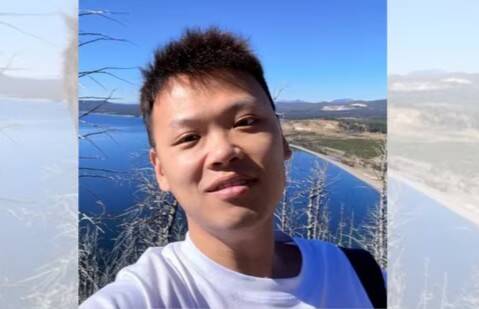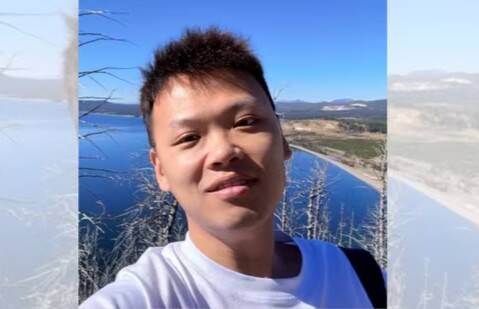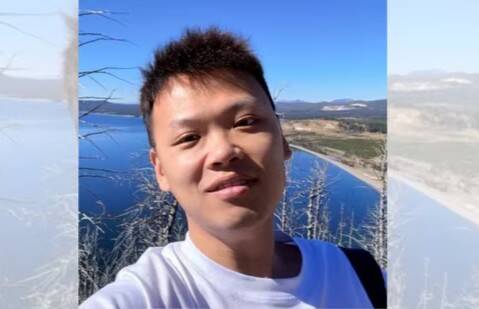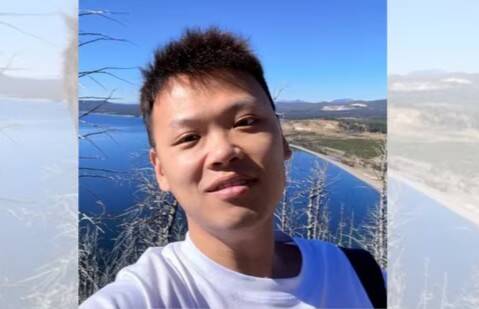
Meta Scientist Zifan Wang on ‘Genius Visa’ Denied Re-Entry into US
The United States has long been a hub for top talent from around the world, attracting the best and brightest minds in various fields, including science, technology, engineering, and mathematics (STEM). One of the key visas that have facilitated the entry of these high-skilled individuals is the O-1 visa, also known as the “genius visa.” However, a recent incident involving Meta AI researcher Zifan Wang has raised concerns about the fairness and consistency of the US immigration system.
Wang, who had been living in the US for seven years and working legally on an O-1 visa, was denied re-entry into the country after returning from a visit to China. The O-1 visa is reserved for people of “extraordinary ability” in their field, and Wang’s work at Meta, a leading technology company, is a testament to his exceptional skills and contributions to the field of artificial intelligence.
The news of Wang’s denial of re-entry sent shockwaves through the scientific community, with many of his colleagues and peers expressing their outrage and disappointment on social media. Wang himself took to Twitter to vent his frustration, announcing that he would be moving to London instead of attempting to resolve the issue with the US immigration authorities.
The incident has sparked a heated debate about the treatment of high-skilled immigrants in the US, particularly those from China. Many have pointed out that the denial of Wang’s re-entry is not only a loss for the US but also a gain for other countries that are eager to attract top talent. The UK, in particular, has been actively courting scientists and researchers from around the world, offering them attractive opportunities and a more welcoming environment.
Wang’s decision to move to London is not surprising, given the city’s reputation as a global hub for science and technology. The UK has been investing heavily in its research and development sector, and its universities and institutions are renowned for their academic excellence. Additionally, the UK’s immigration policies have been designed to attract high-skilled workers, with a points-based system that favors individuals with exceptional skills and qualifications.
The incident has also raised questions about the fairness and transparency of the US immigration system. Wang’s O-1 visa was granted to him because of his exceptional abilities and contributions to his field, and he had been living and working in the US for seven years without any issues. The sudden denial of his re-entry, without any explanation or warning, has left many wondering about the criteria used by the immigration authorities to make such decisions.
Furthermore, the incident highlights the risks and uncertainties faced by high-skilled immigrants in the US. Many of these individuals have built their lives and careers in the US, only to find themselves at the mercy of an unpredictable and often arbitrary immigration system. The denial of Wang’s re-entry is a stark reminder that even the most talented and accomplished individuals can fall victim to the whims of the immigration authorities.
In conclusion, the denial of Meta scientist Zifan Wang’s re-entry into the US is a wake-up call for the country’s immigration system. The incident highlights the need for greater transparency, fairness, and consistency in the treatment of high-skilled immigrants. The US has long been a magnet for top talent from around the world, but incidents like this can damage its reputation and drive away the very people it needs to remain competitive in the global economy.
As Wang prepares to start his new life in London, the US is left to ponder the consequences of its actions. The loss of talented individuals like Wang can have far-reaching implications for the country’s scientific and technological advancements, as well as its economic growth and competitiveness. It remains to be seen how the US will respond to this incident and whether it will take steps to reform its immigration system to prevent similar incidents in the future.
About the Author