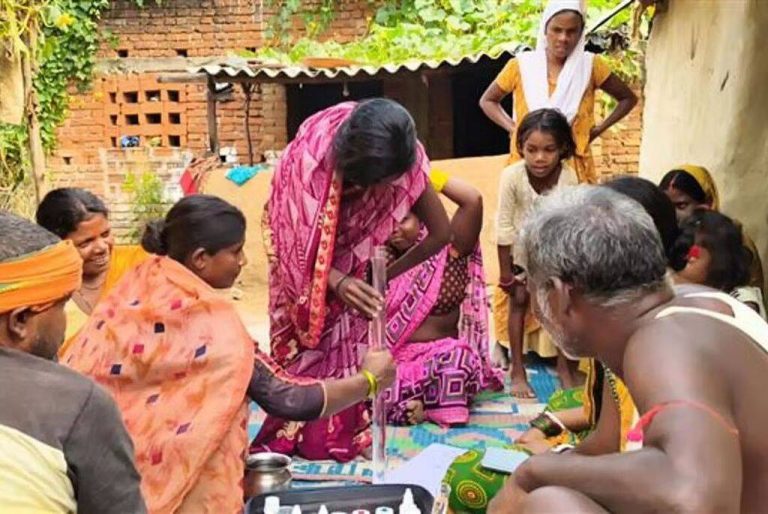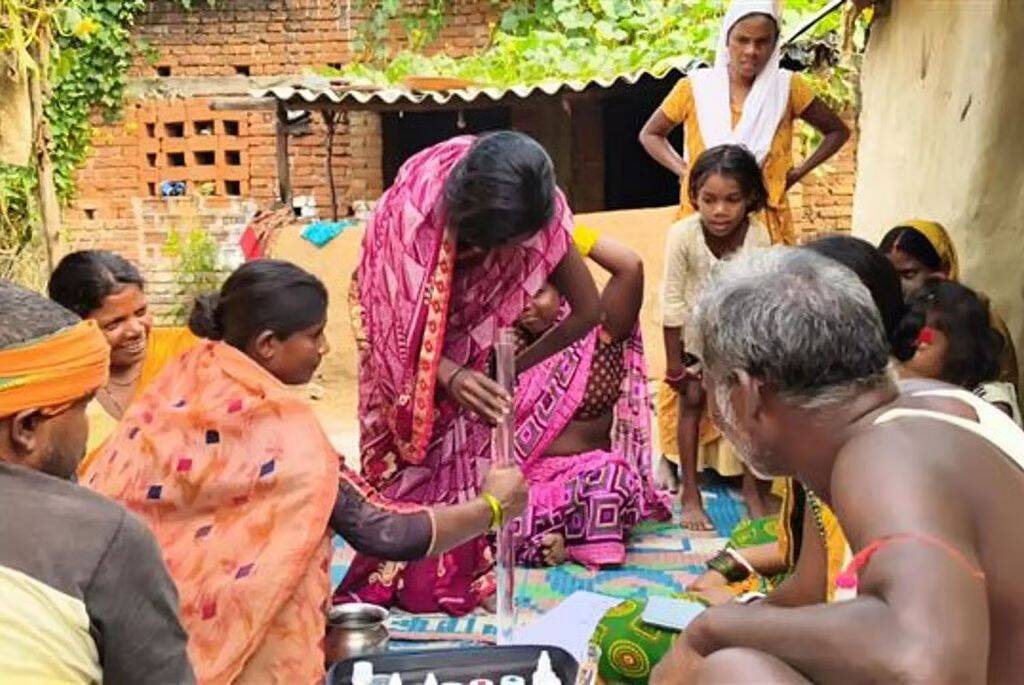
Social beliefs drive rural water adoption: Study
Access to clean drinking water is a fundamental human right, yet millions of people in rural India continue to struggle with limited access to safe and reliable water sources. In recent years, efforts have been made to promote the adoption of household water purification systems in rural areas, with a focus on providing low-cost and effective solutions. However, the success of these initiatives has been varied, with some communities embracing these systems while others have been slower to adopt.
New research has shed light on the factors that influence the adoption of household water purification systems in rural India, and the findings are surprising. Contrary to expectations, the study reveals that the adoption of these systems is driven more by social trust and collective norms than by infrastructure access. Communities with stronger peer influence and shared beliefs reported higher uptake of low-cost purification methods, highlighting the importance of social dynamics in shaping water adoption behaviors.
The study, which was conducted in several rural districts of India, found that social norms and trust played a significant role in determining the adoption of household water purification systems. In communities where there was a strong sense of social cohesion and shared values, residents were more likely to adopt and use these systems. On the other hand, communities with weaker social bonds and limited peer influence reported lower levels of adoption.
One of the key factors that influenced adoption was the presence of social leaders or “influencers” within the community. These individuals, who were often respected and trusted by their peers, played a crucial role in promoting the use of household water purification systems. By endorsing these systems and encouraging others to adopt them, social leaders helped to build trust and credibility, which in turn drove up adoption rates.
The study also found that collective norms and shared beliefs about the importance of clean drinking water were critical in shaping adoption behaviors. In communities where there was a strong cultural emphasis on the value of clean water, residents were more likely to prioritize the use of household water purification systems. This suggests that water programs must align with local social dynamics and cultural values in order to be effective.
The implications of this research are significant, as they suggest that traditional approaches to promoting water adoption may be insufficient. Simply providing access to infrastructure, such as pipes and treatment plants, may not be enough to drive adoption. Instead, water programs must take into account the social and cultural context of the communities they serve, and work to build trust and credibility with local leaders and residents.
This requires a more nuanced and community-based approach to water programming, one that takes into account the complex social dynamics and cultural values that shape water adoption behaviors. By working with local social leaders and influencers, and by promoting collective norms and shared beliefs about the importance of clean drinking water, water programs can increase the uptake of household water purification systems and improve access to safe and reliable water sources.
Furthermore, the study highlights the importance of community engagement and participation in water programming. By involving local residents in the design and implementation of water initiatives, programs can build trust and credibility, and ensure that solutions are tailored to the specific needs and contexts of the communities they serve.
The findings of this research have important implications for policy and practice, and highlight the need for a more socially informed approach to water programming. By recognizing the critical role of social trust and collective norms in shaping water adoption behaviors, policymakers and practitioners can develop more effective strategies for promoting the use of household water purification systems and improving access to clean drinking water in rural India.
In conclusion, the adoption of household water purification systems in rural India is driven by a complex array of social and cultural factors, including social trust, collective norms, and shared beliefs. By taking into account these factors, and by working to build trust and credibility with local leaders and residents, water programs can increase the uptake of low-cost purification methods and improve access to safe and reliable water sources. As we move forward, it is essential that we prioritize a more nuanced and community-based approach to water programming, one that recognizes the critical role of social dynamics in shaping water adoption behaviors.
About the Author