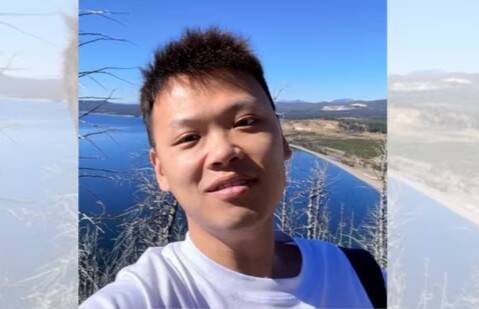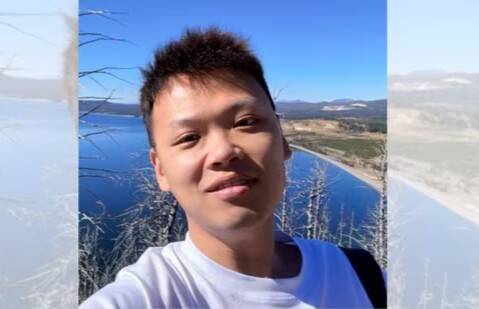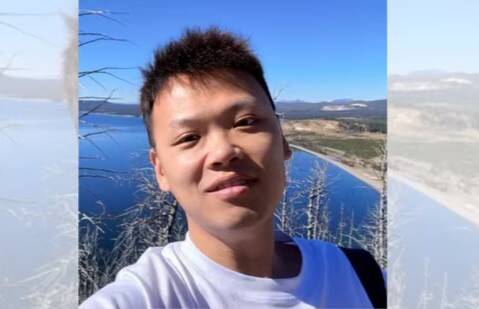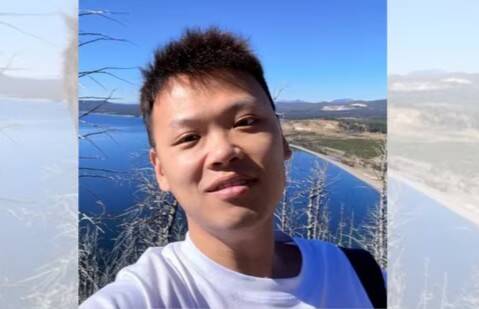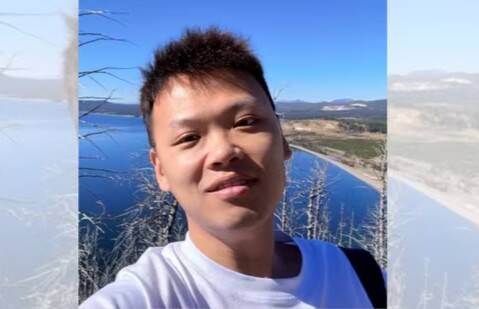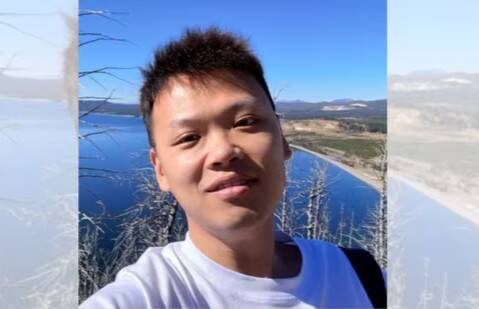
Meta Scientist Zifan Wang on ‘Genius Visa’ Denied Re-Entry into US
The United States has long been a hub for innovation and technological advancement, attracting top talent from around the world. However, a recent incident has raised concerns about the country’s immigration policies and their impact on the tech industry. Meta AI researcher Zifan Wang, who had been living in the US for seven years on an O-1 visa, was denied re-entry into the country after a visit to China. The O-1 visa, also known as the “genius visa,” is reserved for individuals of “extraordinary ability” in their field.
Wang, who had been working legally in the US, took to social media to express his frustration and disappointment at being denied re-entry. His situation has sparked a debate about the fairness and effectiveness of the US immigration system, particularly when it comes to highly skilled workers. The fact that someone of Wang’s caliber, who has made significant contributions to the field of AI research, was denied re-entry has raised questions about the criteria used to evaluate visa applications.
The O-1 visa is a non-immigrant visa that allows individuals with extraordinary abilities in fields such as science, technology, engineering, and mathematics (STEM) to work in the US. To qualify for an O-1 visa, applicants must demonstrate that they have achieved a high level of recognition and acclaim in their field, and that their work will substantially benefit the US. Wang, who had been working at Meta, one of the world’s leading tech companies, clearly met these criteria.
Despite his impressive credentials, Wang was denied re-entry into the US after a visit to China. The reasons for the denial are not entirely clear, but it is believed that Wang’s travel history and associations may have raised concerns among immigration officials. This incident highlights the challenges faced by international students and workers in the US, who often have to navigate complex and unpredictable immigration procedures.
Wang’s situation is not an isolated incident. Many highly skilled workers have faced similar challenges in recent years, with some being denied visas or facing lengthy delays in the application process. This has led to concerns that the US is losing its competitive edge in the global tech industry, as top talent is being driven away by restrictive immigration policies.
In response to his situation, Wang announced that he would be moving to London instead. This decision is likely to be seen as a loss for the US tech industry, as Wang’s expertise and knowledge will now be contributing to the UK’s economy. The fact that Wang chose to relocate to London, a city with a thriving tech scene, highlights the global competition for talent and the need for the US to reform its immigration policies.
The incident also raises questions about the impact of US immigration policies on the tech industry. The O-1 visa program is designed to attract top talent to the US, but the denial of Wang’s re-entry has sent a negative signal to the global tech community. If the US is unable to retain and attract the best and brightest minds, it risks falling behind in the global innovation race.
In recent years, there have been growing concerns about the US immigration system’s ability to support the tech industry’s needs. The H-1B visa program, which is used by many tech companies to hire international workers, has been subject to scrutiny and criticism. The program’s annual cap on visas has led to a shortage of skilled workers, forcing companies to look elsewhere for talent.
The denial of Wang’s re-entry has sparked a wider debate about the need for immigration reform in the US. The country’s immigration system is complex and often unpredictable, making it difficult for international students and workers to navigate. The US needs to find a balance between national security concerns and the need to attract and retain top talent.
In conclusion, the denial of Meta scientist Zifan Wang’s re-entry into the US is a wake-up call for the country’s immigration policies. The incident highlights the need for reform and the importance of creating a more welcoming environment for international talent. The US tech industry relies heavily on the contributions of highly skilled workers, and the loss of talent like Wang will have long-term consequences for the country’s competitiveness.
As the global tech industry continues to evolve, the US must adapt its immigration policies to attract and retain the best and brightest minds. The O-1 visa program, in particular, needs to be reformed to ensure that it is fair, efficient, and effective in supporting the tech industry’s needs. The US cannot afford to lose top talent like Wang, who will now be contributing to the UK’s economy instead.
About the Author